

A political party’s manifesto is a solemn promise to the voting public, it’s a pledge to voters that stands until the next election and often provides amusement years later when policies and guarantees seem out of date or wildly out of touch. Labour’s manifesto in 2010 needs to stand out from the last three and offer something truly exciting to voters — and convince them that twelve years is not enough to achieve everything that we set out to do.
In 1997 Tony Blair wrote in Labour’s manifesto that the document was a “bond of trust†between him and the public. He called for a “renewed faith†in Britain, and called for people to place their trust in him to “deliver a new Britainâ€.
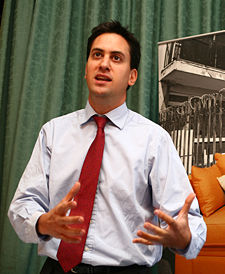
The challenge for Ed Miliband and others around him writing Labour’s manifesto is to show that Labour can still deliver radical change that will benefit the hard-working majority and boost social mobility during a massive economic recession and at the peak of public cynicism of politics and politicians.
The Conservatives will offer a mix of policy initiatives which cost nothing and achieve even less, while going in to no detail about the impact of their proposals or offering a long term vision for Britain. This is where Labour must challenge David Cameron on his ‘change’ agenda and prove that radical ideas and progressive solutions to Britain’s problems are still being generated on the centre-left, not the reactionary right.
Focussing on real concerns faced by the electorate and offering real solutions to their problems must be the central focus of the manifesto. We should ditch government-it is and be bold enough to scrap policies that are not fit for purpose.
Now is the time for Labour to redefine its defence policy and commit to not renewing Trident. Now is the time to argue for a responsible approach to public spending and prioritise frontline services which help out the most needy in difficult times such as social workers, teachers, and NHS staff.
We must also address issues where we have been afraid to tread — immigration is a real concern for many voters and we should talk about it. If our experiences in Barking over the past few years have shown us anything, not talking about it will get us nowhere.
Finally, Labour’s manifesto should be proud to talk about what has been achieved. We have to acknowledge that 2010 is not the year dot, the past twelve years may have gone by quickly but that’s even more reason to highlight all Labour’s achievements in that time and show how they have made a difference in parts of Britain that were left for dead by the Conservatives.
This week the Young Fabians are launching a blog feed called ‘It’s the Manifesto Stupid’ and asking Labour supporters to post their bold suggestion for the Party’s 2010 election manifesto on the Young Fabian blog. You can see my first post in the feed over at the Young Fabians website.



More from LabourList
Revealed: Poll shows 1 in 4 Tory voters says Rayner faces ‘smear campaign’
‘Ignore the noise – the soft left is alive and well in Open Labour and beyond’
Peers say three-year wait for police probe into Liverpool mayor ‘outrageous’