


Last summer, Andy Burnham stated his belief that wealth is undertaxed compared to work. And in recent years momentum surrounding wealth taxation has grown, with strong public support, including from UK millionaires, cross-party MPs and Reform curious Labour voters. But this support has yet to translate into meaningful legislative change. So, why is that?
Research by Tax Justice UK and the Fraser of Allender Institute sought to find the answers by asking cross-party politicians across Westminster, Holyrood and the Senedd the simple question: what is really standing in the way of taxing extreme wealth?
Many politicians worried about unintended economic consequences of wealth taxation, from reducing investment to fears that the super-rich would leave and take their assets with them, which cast doubts for some over how much money reforms would realistically raise. This is often born out of another, more pervasive barrier – the narrative around taxing wealth, and the media’s influence on public and political perceptions – with its ‘wealth exodus’ fearmongering and negative sentiment toward taxation.
To arm politicians with the evidence they need to credibly advocate for taxing wealth more, the government should commission up to date research and economic modelling to demonstrate how reforms would impact the economy and inequality. I believe this will reveal that fears of ‘millionaires exoduses’ are wildly sensationalised and don’t stand up in the research. Existing international research already shows that increases to taxes on wealth have negligible impact on the migration decisions of the super-rich. Meanwhile, expert think tanks and Labour MPs themselves support reforming Capital Gains Tax – key to taxing wealth more – to achieve productivity and economic growth.
READ MORE: Labour members would back tax increases on gambling, banks and wealthiest in Budget
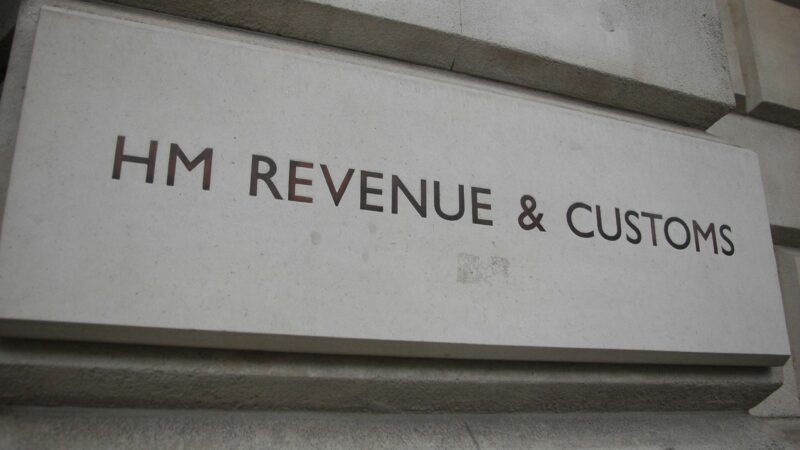
Another barrier is concerns around administrative feasibility. Things like valuation of assets, determining taxation thresholds, and HMRC’s capacity (or lack thereof) to enforce wealth taxes. This should be seen as a challenge which can be solved, rather than shied away from. The Government can already point to clear evidence that investment in HMRC pays for itself several times over, and commit to properly funding and resourcing the department in line with recommendations by NEF and the Public Accounts Committee, to unlock billions in tax revenue. The FCDO and UK Aid advises and supports other countries to establish ‘High Net Worth Units’, which aligns with EU Commission findings that wealth taxes work best when they rely on high thresholds. HMRC should re-establish the same practice in the UK, which was short-sightedly scrapped under a previous government.
The cultural messaging surrounding tax is a stronger force to reckon with, but we know the editorial lines of the press, and its very wealthy owners, mostly don’t represent the view of the public.
We need a clear, brave and positive approach to public storytelling that talks about what wealth taxes could enable for society, such as an NHS-style social care system, good quality social housing or free childcare. Politicians in the UK should take a leaf out of California’s book – a state which secured a referendum for a ‘Billionaire Tax’, something supporters tell us was only possible due to the campaign’s public messaging. This focused explicitly on what tax revenue would mean for residents, with 90 percent earmarked to offset massive federal healthcare funding cuts. Only by connecting to people’s everyday needs is there a chance of cutting through the negative media noise around taxing wealth more.
Relatedly, one of the biggest obstacles to wealth taxation is the outsized power and influence of the super-rich and big business, maintained by intense lobbying, political donations, threat of capital flight and control over the media. The Government urgently needs to overhaul lobbying rules, and use the Elections Bill to impose a strict cap on political donations. It must make better use of the voices of those supportive wealthy and business actors calling for higher taxes on wealth, and research spotlighting the investors in favour of equalising tax rates on income from wealth and work.
Politicians, particularly from the Labour Party, told us that backing policies outside the leadership’s priorities can carry political costs. And if leadership positions are too swayed by vested interests, this barrier becomes even stickier. This research was carried out while Keir Starmer was Prime Minister – who referred to wealth tax campaigners as ‘snake oil merchants’. But now we are in a very different political context, with a Prime Minister who has promised a wholesale economic reset. This creates more space and opportunity for MPs to speak up, especially given Burnham’s recent comments about wealth and neoliberalism.
Become a friend of LabourList and join our community. Our friends support our vital non-factional work and get access to exclusive content and events.
Some politicians – usually those on the political right – simply believe higher taxes on wealth are wrong and a threat to aspiration and success. But the Labour government is in power, and has an incredible majority in Parliament, so doesn’t need to win over all these ideological objectors, even if they might otherwise be persuaded by the potential electoral advantages gained by supporting wealth taxation.
Despite the challenges, taxing wealth is evidently needed, and extremely popular among the public. There are plenty of solutions out there and it is the job of a Labour government to work in the interests of ordinary people across Britain, not the super-rich and vested interests. It is now up to Andy Burnham and his Chancellor to deliver action at next week’s Budget that meets his rhetoric of doing things differently, to improve lives, and devolve power and wealth.
Subscribe here to our daily newsletter roundup of Labour news, analysis and comment– and follow us on TikTok, Bluesky, WhatsApp, X and Facebook. You can also write to our editor to share your thoughts on our stories and share your own. The best letters are published every Sunday.
-
- SHARE: If you have anything to share that we should be looking into or publishing about this story – or any other topic involving Labour– contact us (strictly anonymously if you wish) at [email protected].
- SUBSCRIBE: Sign up to LabourList’s morning email here for the best briefing on everything Labour, every weekday morning.
- BECOME A FRIEND: If you enjoyed this, why not consider becoming a Friend of LabourList? Help sustain our journalism, and of course Friends do get benefits…
- PARTNER: If you or your organisation might be interested in partnering with us on sponsored events or projects, email [email protected].
- ADVERTISE: If your organisation would like to advertise or run sponsored pieces on LabourList‘s daily newsletter or website, contact our exclusive ad partners Total Politics at [email protected].



More from LabourList
‘Our regional theatres are engines of growth. Labour should help them thrive’
The art of the political apology
Delivering in Government: your weekly round up of good news Labour stories