
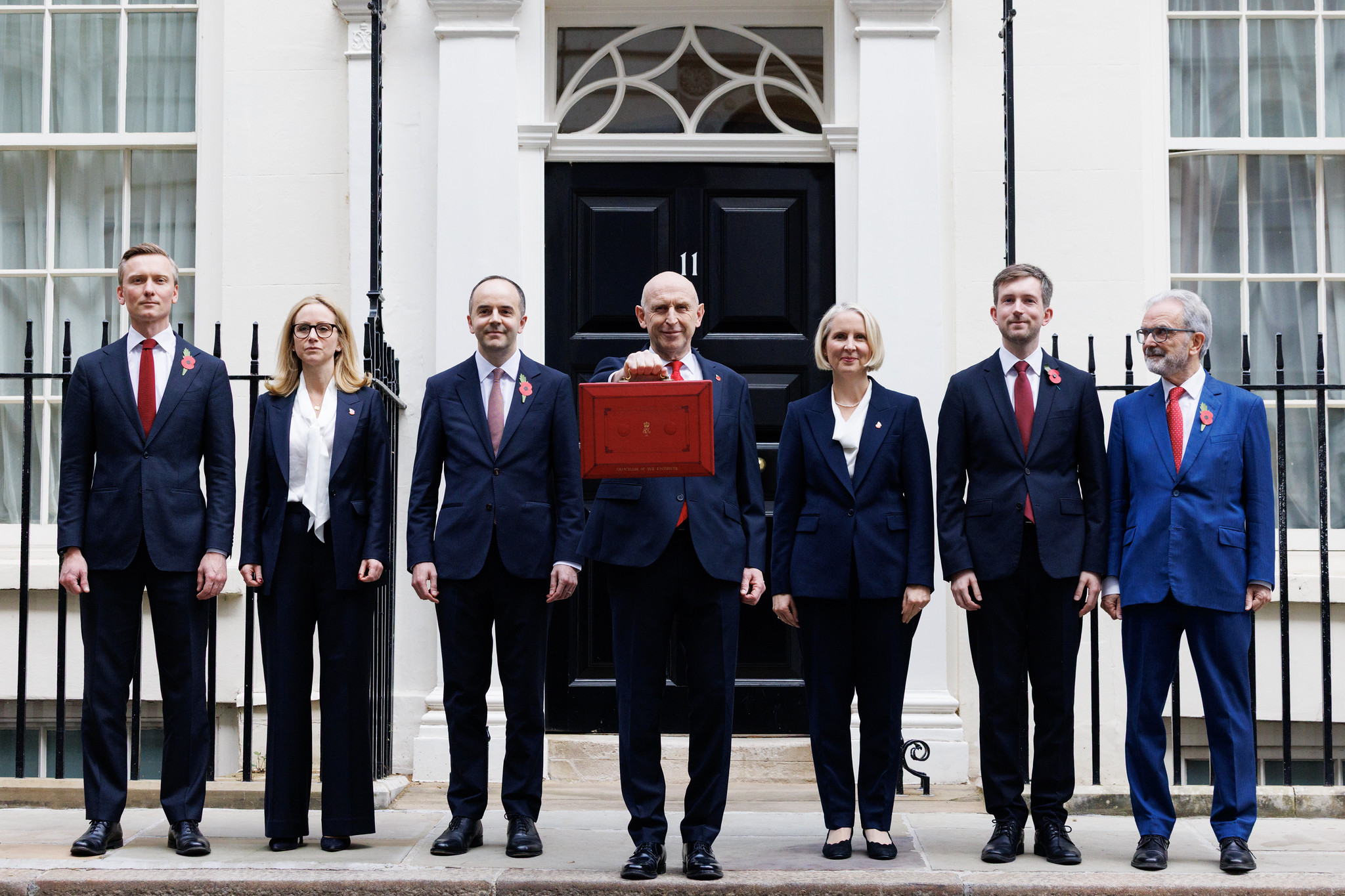
With the budget last week, the nation had the opportunity to take another clear look at the two most important factors affecting this Labour government.
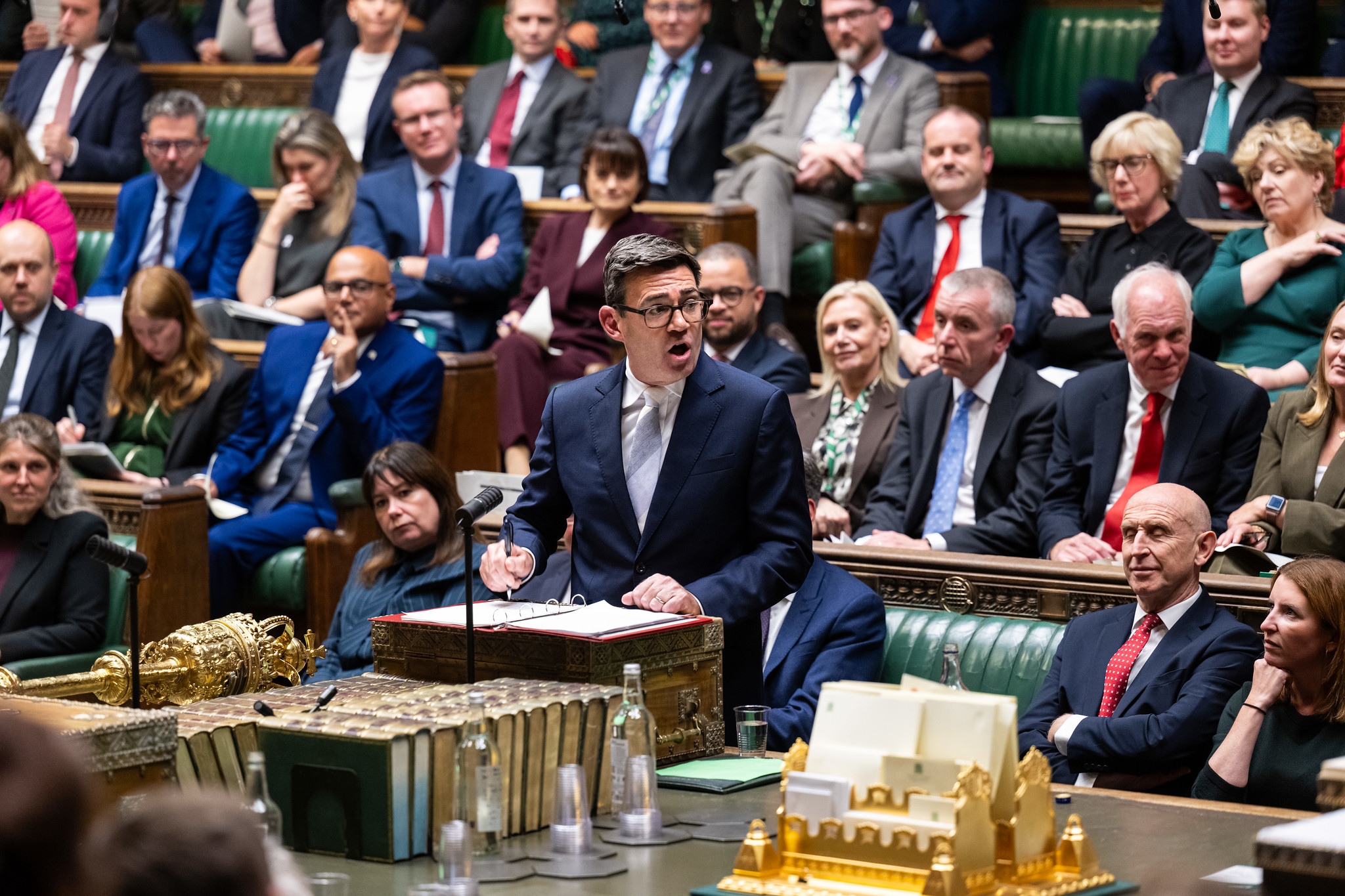
The first, of course, is the intended direction of travel politically for the country under Andy Burnham.
With measures to support families and small businesses, alongside interventions to deliver greater economic devolution so that money stays local, this budget was very clearly in line with what Burnham has put to the public since July.
The LabourList team had the pleasure of being joined by Labour’s Loughborough MP with a PhD in economics, Dr Jeeven Sandher MP, to break down the budget measures and discuss how they will affect the UK economy. It was a fascinating conversation that I was grateful to be a part of.
The response to Healey’s budget has been fairly balanced – both from the markets, who have not been ‘spooked’, and by the public, who have not turned against Labour in any aggressive manner following the announcements.
However, the second factor that this budget showed, is how tight the constraints Labour find themselves under economically and politically make it difficult to move forward at the pace it may wish.
Over the weekend, the Chancellor sat down with BBC’s Laura Kuenssberg, giving further context to some of the decisions he made in this budget. He was tested over the decision not to equalise pay for 18-20 year olds with the adult minimum wage. Ending this pay gap is a Labour manifesto commitment. In Healey’s explanation, it is clear that given the economic context and trade offs required to solve the NEETs crisis, encouraging businesses to take on young people is a high priority for the government.
Become a friend of LabourList and join our community. Our friends support our vital non-factional work and get access to exclusive content and events.
The answer is not that the Chancellor will not do this, but that he cannot do it yet.
The Chancellor was also questioned over potential cuts to government spending departments, as he wrestles with the UK’s high debt spend. Healey said the government had already shown it was prepared to make ‘tough decisions’, before pointing towards how plans will be set out across the government’s upcoming ten year plan and spending review.
As Labour prepares for Burnham’s ten year plan for Britain, the political issues that the country is still trying to deal with have not gone away. What the government is planning to do on NEETs, SEND reform, indefinite leave to remain and our relationship with Europe are all crunch points that are fast approaching.
These are not issues that can simply be put on hold until the economic conditions improve. Each carries its own political consequences, and each presents the government with difficult choices that will require more than an explanation of the financial constraints it faces.
Subscribe here to our daily newsletter roundup of Labour news, analysis and comment– and follow us on TikTok, Bluesky, WhatsApp, X and Facebook. You can also write to our editor to share your thoughts on our stories and share your own. The best letters are published every Sunday.
The budget may have given Labour some room to breathe, but it has not removed the expectations placed upon it. As Burnham’s vision for the country begins to take shape, the government will increasingly be judged not just on the direction it wants to travel in, but on the answers it is prepared to give along the way. There is only so long that ‘not yet’ can serve as an answer to questions that the public are already asking.
The biggest challenge for the ten year plan will be to ensure that the nation is bought into the journey. The PM has shown his excellent ability to communicate – this will be the biggest test of his career so far.
-
- SHARE: If you have anything to share that we should be looking into or publishing about this story – or any other topic involving Labour– contact us (strictly anonymously if you wish) at [email protected].
- SUBSCRIBE: Sign up to LabourList’s morning email here for the best briefing on everything Labour, every weekday morning.
- BECOME A FRIEND: If you enjoyed this, why not consider becoming a Friend of LabourList? Help sustain our journalism, and of course Friends do get benefits…
- PARTNER: If you or your organisation might be interested in partnering with us on sponsored events or projects, email [email protected].
- ADVERTISE: If your organisation would like to advertise or run sponsored pieces on LabourList‘s daily newsletter or website, contact our exclusive ad partners Total Politics at [email protected].
LabourList Daily Email
Sign up to our morning email and get the latest news, views and comment from across the labour movement.