
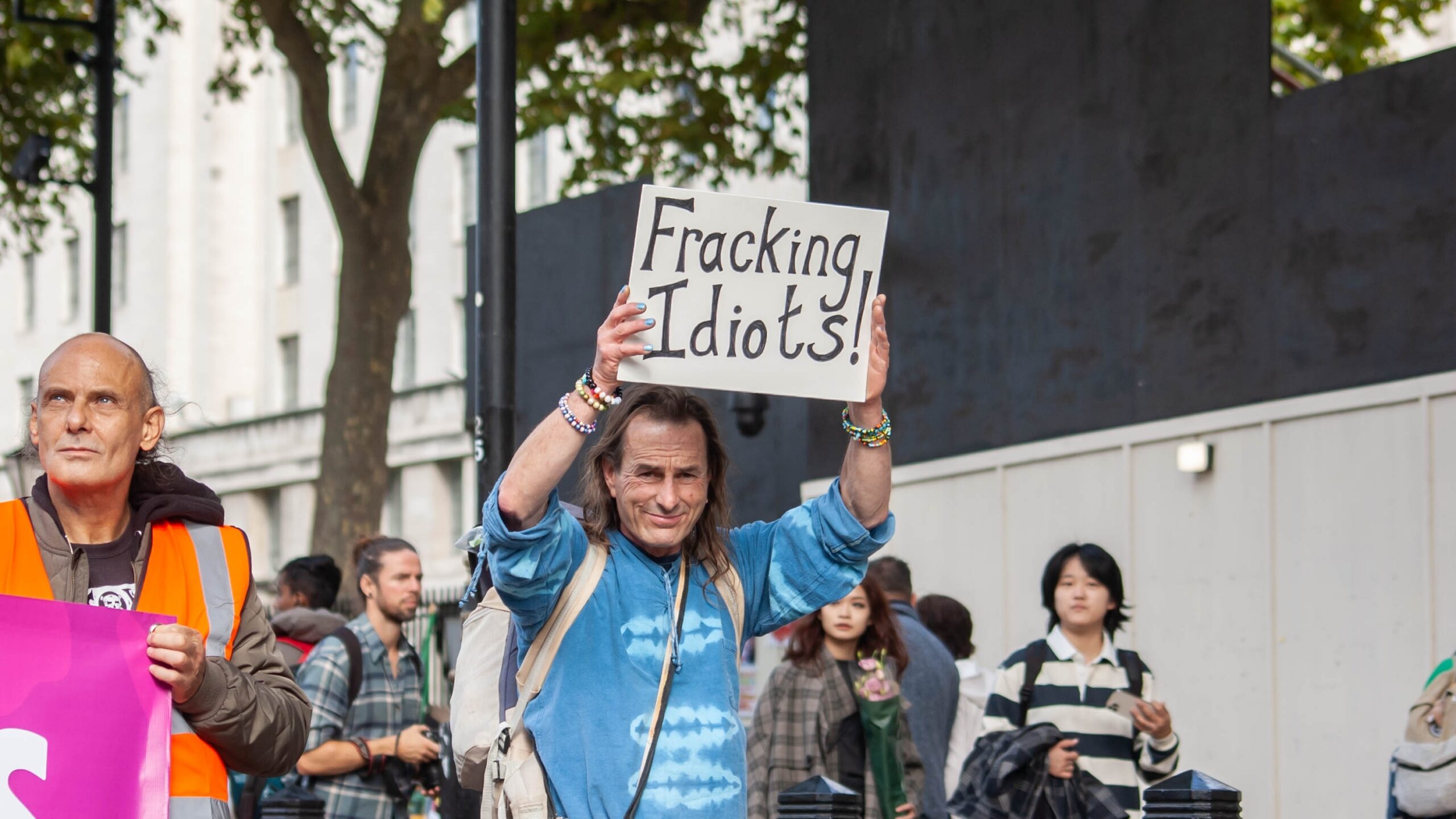
Residents of Burniston, a village just outside Scarborough, are bracing themselves for the next round in their fight to prevent fracking on their doorstep.
A planning application to carry out a form of fracking known as ‘proppant squeeze’ was rejected by North Yorkshire Council in May. But earlier this month the battle was reopened when Europa Oil and Gas, the company behind the scheme, lodged an appeal.
The plans have provoked fierce opposition, attracting more than 1,600 objections from residents, and condemnation from local Labour MP Alison Hume. Even Reform-led Scarborough Council has unanimously opposed the scheme.
A real moratorium?
Introduced in 2019, the fracking moratorium was supposed to halt the drilling. Unfortunately, it contains a huge loophole which enables certain types of fracking to proceed.
Fracking involves pumping liquid underground at high pressure to fracture rock and release trapped gas or oil. The current moratorium restricts fracking based on the volume of fluid used and the type of rock, meaning lower-volume operations (such as proppant squeeze) fall outside its scope – even when the same process is used.
But lower-volume fracking does not necessarily mean lower risk.
Earlier this year, Professor Stuart Hazeldine, one of the UK’s top geologists, warned that earthquakes from lower and high-volume fracking can be “equally large and equally unpredictable”.
Indeed, under the current rules, fracking carried out in Lancashire in 2019 in the days leading up to an earthquake that damaged homes and led to the current moratorium would be classified as ’lower-volume’ and therefore would not be ruled out.
Burniston is not an isolated case.
The loophole is already being exploited by fossil fuel companies elsewhere.
Proppant squeeze fracking has been approved at West Newton in East Yorkshire, while a decision on another scheme at Wressle, near Scunthorpe in North Lincolnshire is expected shortly.
Labour’s 2024 manifesto carried an explicit promise to ‘ban fracking for good’. Now communities are looking for ministers to deliver.
The vehicle for fulfilling this pledge is the Energy Independence Bill, so there was eager anticipation when it was published earlier this month.
But hope rapidly turned to disappointment when it became clear that it contained no plans to close the loophole.
Instead, it seems the government plans to deliver on its fracking commitment by not issuing new licences to explore for new oil and gas.
Of course, a ban on new gas and oil licences is extremely welcome – but this does nothing to close the loophole in the current fracking rules.
It won’t protect communities across significant parts of England that are already licensed for gas and oil extraction.
Concern shouldn’t be underestimated
Earlier this year Friends of the Earth analysis found that 79 English constituencies are covered by gas and oil exploration licences – covering at least one square km of their area – and therefore potentially at risk of low-volume fracking if a developer decided to apply for permission. Of these, 46 currently have Labour MPs, including four cabinet ministers.
There are growing calls for the government to amend the Energy Independence Bill to deliver its pledge.
A coalition of 23 leading environmental organisations and trade unions including Friends of the Earth, RSPB, Greenpeace, Wildlife Trusts, CPRE, the Fire Brigades Union and National Education Union have written to Energy Security and Net Zero Secretary, Miatta Fahnbulleh urging her to act on fracking.
They point out that fracking isn’t the answer to our energy problems: it won’t cut energy bills, it fuels the climate crisis, it risks triggering earthquakes and it can create long-term harmful effects for people and nature. In their letter they urge her to:
- put the moratorium into law, so that it cannot be overturned by a ministerial statement – as happened during Liz Truss’s brief premiership.
- tighten the definitions so that all forms of fracking for fossil fuels are included, and
- ensure that it applies to the whole of England.
Alison Hume whose Scarborough and Whitby constituency includes the potential Burniston fracking site, also wants tougher government action. After the Energy Independence Bill was published, she told local media that she would continue pressing ministers over concerns that upcoming government legislation connected to gas extraction may not go far enough, adding: “If I need to lay an amendment, I will.“
The strength of concerns about fracking shouldn’t be underestimated. It was a vote on fracking that finally brought down Liz Truss.
Fracking is already a real threat to communities in England – and unless ministers act decisively more could be at risk.
They need government action, not empty promises. Labour must honour its promise and ban fracking in all its forms for good.