
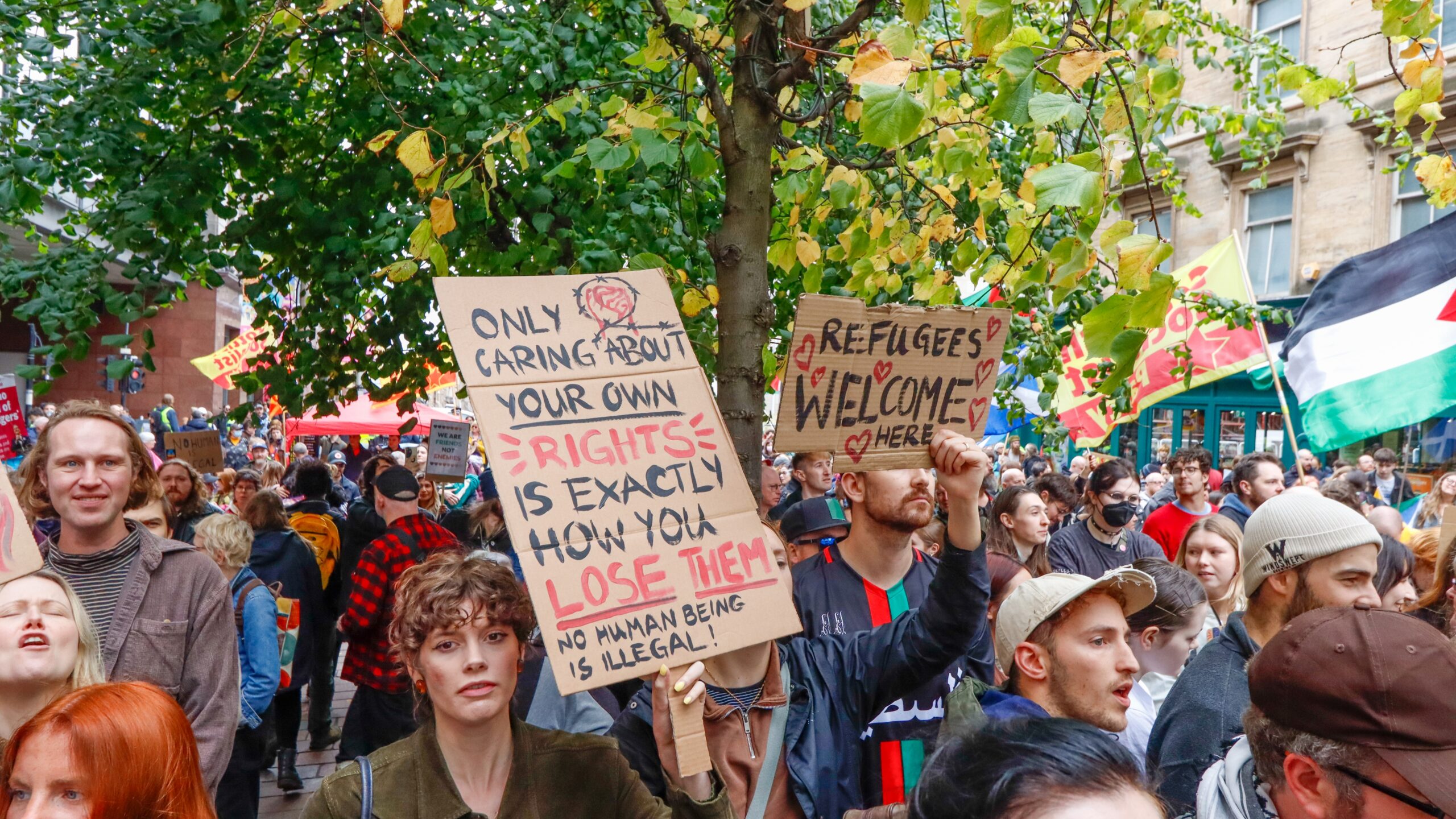
What is the value of a right if exercising it could cost you your livelihood, your home or your future in this country?
This is the contradiction at the heart of Labour’s approach to migrant workers. A government that speaks about strengthening employment rights is simultaneously pursuing immigration policies that prolong insecurity and leave workers dependent on employers for their right to remain.
Following Shabana Mahmood’s latest announcement on earned settlement, some workers will retain a five-year route to settlement, while the highest earners could qualify after just three years. Meanwhile, hundreds of thousands of others could face waits of ten years or more for settlement, alongside extortionate immigration fees, despite having already spent years building their lives here.
An accountant or IT professional earning £45,000 a year who expected to settle next year could now face a ten-year route to settlement.
We are told this is about fairness, contribution and integration. But moving the goalposts for people who have already spent years building their lives here is neither fair nor just.
Workers’ rights cannot stop at immigration status
Consider a migrant worker experiencing wage theft, bullying or unsafe working conditions. Reporting their employer could mean losing their job. But when their immigration status is tied to that employer, the consequences extend far beyond unemployment.
They could lose their home, face separation from family or risk losing their right to remain.
What freedom does that worker have to challenge exploitation? What good are stronger employment rights if exercising them comes at such a cost?
This is not simply an immigration issue. It is a question of power, class and whose interests our economy serves.
When employers know that workers fear immigration consequences, they can use that insecurity to silence complaints, discourage trade union organising and undermine conditions across entire sectors.
Our humanity cannot be measured by our economic contribution
Migrant workers are repeatedly told to demonstrate our economic value and “earn” the security of settlement. Yet our lives cannot be reduced to what we produce or how much we earn.
We are raising families, looking after neighbours, supporting friends, organising in our workplaces and helping out in our communities. We are more than our salaries and job titles.
And what about those unable to work because of illness, disability or caring responsibilities? Their humanity does not diminish because their economic productivity changes.
Dignity is not a reward for productivity. Neither is belonging.
When settlement depends increasingly on income and prescribed measures of economic contribution, we risk creating a hierarchy in which some lives are treated as more valuable than others. This is where dehumanisation becomes deeply entrenched. A society that dehumanises others ultimately dehumanises itself.
Labour emerged from the collective struggles of workers and trade unionists. Migrant workers, too, have helped shape Britain’s labour movement. Solidarity means protecting one another, not dividing people according to economic usefulness or immigration status.
Labour cannot defeat racist and xenophobic anti-migrant politics by making life increasingly difficult for migrants. Scapegoating migrants does nothing to address the insecurity faced by working people across Britain.
Low wages, unaffordable housing and struggling public services will not be repaired by making migrant workers’ lives more precarious.
Labour must listen to the people living with its decisions
In July, the Migrant Workers’ Rights Coalition, supported by more than 50 organisations, wrote to Prime Minister Andy Burnham demanding a maximum five-year route to settlement, accessible regularisation, an end to tied and restrictive visas, and employment rights every worker can exercise safely.
We also demanded meaningful participation by migrant workers in decisions affecting our lives.
Our request for a meeting within his first month received an inadequate Home Office response. In October, we mobilised nationally in Manchester, bringing migrant workers, trade unionists and communities together to demand change.
We will not stop until we have full rights and recognition
Labour cannot claim to strengthen workers’ rights while leaving migrant workers exposed to immigration-related precarity and exploitation.
That means ending employer dependency, separating employment rights enforcement from immigration enforcement, and providing secure, accessible routes to settlement and regularisation for those who have made Britain their home. It also means including migrant workers in meetings about our futures and genuinely listening to us before decisions are made, not simply informing us afterwards.
Migrant workers have long been part of the labour movement, organising, mobilising, striking and standing alongside fellow workers, regardless of nationality or immigration status. And we will continue doing so.
The government must reckon with the consequences of continuing to undermine our rights. There can be no meaningful workers’ rights agenda without migrant workers’ rights. Our collective determination to organise and resist will only grow.
We are here to stay. We are not going away.