
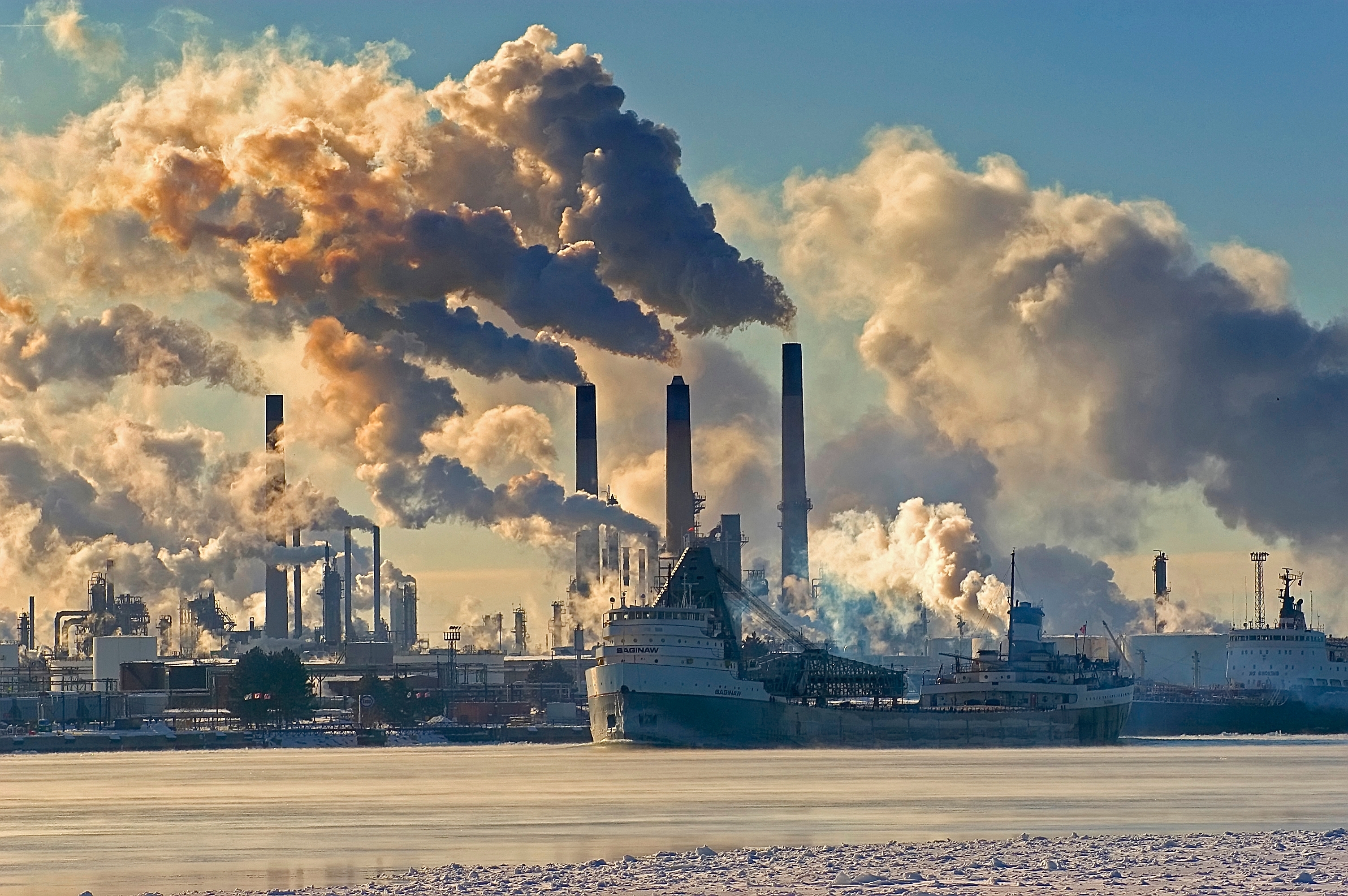
As COP 31 in Türkiye ended without an agreement, we should ask what these gatherings deliver. Do promises made in international conference halls have an impact on people back home? As an MP, I am rightly expected to focus on our government’s policies, but the reality is that what is agreed overseas shapes what we do at home.
The harm is undeniable
At COP 31, the Prime Minister promised a new era of British leadership on climate change and now we must deliver. The UK co-chaired a leaders’ summit on methane and non-CO2 gases. These super pollutants stay in the atmosphere only briefly, which is why acting on them pays off quickly. Together, they account for roughly 45 percent of current global warming. Cutting them alongside decarbonisation could prevent four times more warming by 2050 than reducing carbon dioxide alone.
But these pollutants do not just heat the planet and contribute to the devastating wildfires we saw in the UK this year. They are the same particles and gases we breathe in, and they are harming our health. The evidence is undeniable. Air pollution affects 99 percent of the world’s population and contributes to around seven million deaths a year. These deaths are not evenly shared. Children are most at risk, because their lungs, brains and immune systems are still developing and they breathe more rapidly than adults. Older adults, pregnant women, outdoor workers, and people in low-income neighbourhoods close to heavy traffic or oil and gas operations also carry the heaviest burden.
Britain knows far too well where this can end. The Royal College of Physicians linked air pollution to 30,000 UK deaths in 2025 and found it costs the economy and NHS around £500 million a week in ill health, NHS care and productivity losses. Behind those numbers are real people: Ella Adoo-Kissi-Debrah, aged nine, became the first person in the country to have air pollution officially recorded as a cause of death. Her death is a call to action we should not ignore.
We have the solutions
Similar patterns can be observed in Glasgow, with some areas facing elevated air pollution risk. The link between lower household income and poorer respiratory health is also well evidenced. This is not only an urban problem, people across the country are exposed.
We have the solutions, and we are already using them. I welcome the UK Government’s new clean air alerts although I believe that they would have more impact if people didn’t have to register for them. London’s ULEZ and other similar schemes across the country show what is possible. Deaths linked to air pollution have fallen by 40 percent in London, and recent research shows children’s lung capacity has rebounded significantly.
But earlier this month, heavy fog-trapped smoke from fireworks sent London’s air pollution soaring. The Mayor warned Londoners, but no law currently requires the government to tell us when the air turns dangerous.
There is more we can do at home. Transport is one of the biggest sources of the pollution we breathe, particularly in the busy streets where people live, work and go to school. We also need to act on indoor air pollution which has gained too little attention. And we need greater co-ordination across government departments, devolved administrations, public agencies, and local and regional bodies. Pollution crosses geographical and administrative boundaries and the solutions need to do so as well.
Britain has led before. We cleared the Great Smog with the Clean Air Act, we were the first G7 country to end coal power, and we are investing millions in renewable energy. Yet, to deliver on the Prime Minister’s leadership pledge, we can and must do more.
Later this year the UK will take up the G20 presidency. A global consensus on the importance of air pollution already exists, driven by South Africa’s G20 presidency, and we have the chance to build on it. This is an opportunity for the UK to show its leadership by bringing nations together around air quality and putting climate action and resilience at the heart of our presidency. Clean air delivers for health, for the climate and the economy. It is time to act.