
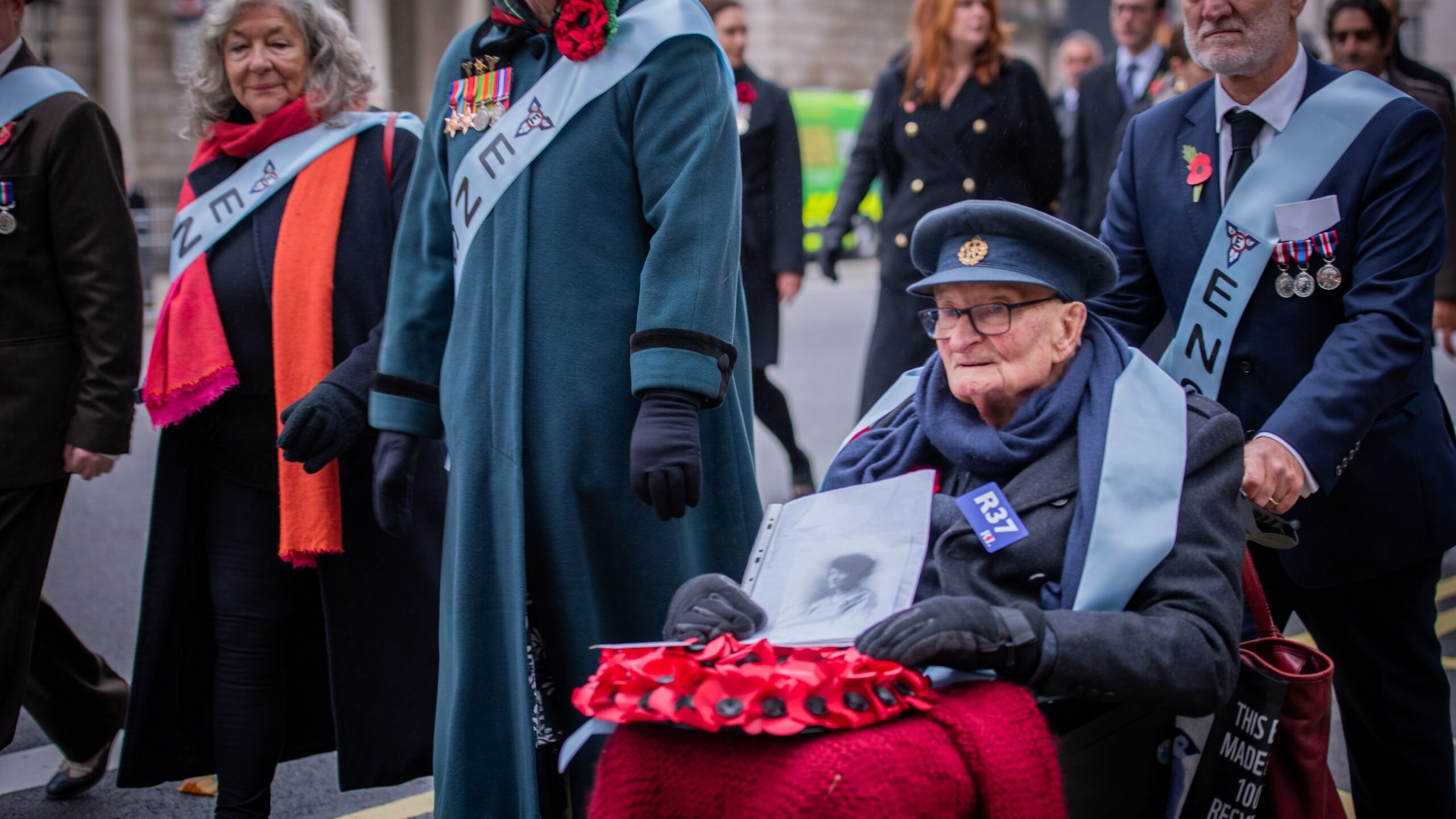
Remembrance Sunday and Armistice Day provide us with an opportunity in Britain to reflect on two devastating global conflicts that shape our national identity. The First and Second World Wars, and the role our country played in them, are deeply embedded in our understanding of what it means to be British from as young as primary school.
For many of us, that history is personal. Our grandparents and great-grandparents served in the armed forces, worked in factories or played their part on the home front. We grew up hearing stories of a generation that endured extraordinary hardship and made immense sacrifices in the defence of our country and, ultimately, for the freedoms we enjoy today.
READ MORE: ‘Labour is now the natural party of government’
From our cultural love of the underdog story, to our belief that we must never give in, so much of what we associate with British resilience was forged during those years. We were a nation that, when confronted with the threat of dictatorship and oppression, understood the importance of standing up for something greater than ourselves.
But with almost a century having passed since the Second World War, I wonder how much of that history, and the lessons it taught us, are carried by today’s generation.
Remembrance is, of course, about honouring those who gave their lives. But it must also be about understanding what they fought for and the responsibility we have to protect those freedoms for generations to come.
One of the most important lessons of the World Wars is that we cannot allow a world governed by the principle of ‘might is right’ to take hold. The idea that powerful nations can simply impose their will on smaller neighbours, redraw borders by force and trample over the sovereignty of others is precisely the sort of thinking that led to so much devastation in the twentieth century.
That is why Britain’s support for Ukraine matters so profoundly. Russia’s invasion is not simply a dispute between two countries. It is an attempt to use military force to deny another nation its independence and determine its future against the wishes of its people. By standing alongside Ukraine, Britain is defending something much bigger than the security of one country. It is defending the principle of freedom, sovereignty and international law. It says these principles must mean something. That commitment has been maintained across successive governments and political divides – and rightly so.
Become a friend of LabourList and join our community. Our friends support our vital non-factional work and get access to exclusive content and events.
But standing up for those principles requires more than words. It requires the ability to defend them. In an increasingly unstable world, we must recognise that peace cannot simply be taken for granted. Supporting defence spending is essential not because we seek conflict, but because we must be prepared to deter aggression, defend our allies and protect our own people should the need arise.
The Chancellor, with his experience as a former Defence Secretary, understands the importance of this responsibility. Meeting our spending commitments will require difficult choices, but national security must remain a fundamental priority.
As we observe the two minutes’ silence in Westminster this Armistice Day, we will rightly pause to remember the bravery of those who have given their lives in the service of our country.
But remembrance must be about more than looking backwards.
We cannot promise that the world will never again descend into conflict. But we can promise that we will not forget the lessons of those who lived through it before us. And we can do everything in our power to ensure that the values they fought for are carried forward with us.
Subscribe here to our daily newsletter roundup of Labour news, analysis and comment– and follow us on TikTok, Bluesky, WhatsApp, X and Facebook. You can also write to our editor to share your thoughts on our stories and share your own. The best letters are published every Sunday.
-
- SHARE: If you have anything to share that we should be looking into or publishing about this story – or any other topic involving Labour– contact us (strictly anonymously if you wish) at [email protected].
- SUBSCRIBE: Sign up to LabourList’s morning email here for the best briefing on everything Labour, every weekday morning.
- BECOME A FRIEND: If you enjoyed this, why not consider becoming a Friend of LabourList? Help sustain our journalism, and of course Friends do get benefits…
- PARTNER: If you or your organisation might be interested in partnering with us on sponsored events or projects, email [email protected].
- ADVERTISE: If your organisation would like to advertise or run sponsored pieces on LabourList‘s daily newsletter or website, contact our exclusive ad partners Total Politics at [email protected].
LabourList Daily Email
Sign up to our morning email and get the latest news, views and comment from across the labour movement.