


Lord Dave Watts was right to argue in LabourList last week that reforming Whitehall requires more than structural tweaks. He was also right to home in on the importance of public procurement. Public bodies have huge purchasing power, which could be transformational if used with a greater sense of purpose.
Nowhere is this more true than with the estimated £2.4 – £2.7 billion spent every year on public sector food and catering services. Indeed, Andy Burnham touched on this at the People’s History Museum in Manchester on 6th July, when he spoke about “chasing cut-price deals around the world” instead of backing British suppliers, citing food – along with steel, defence and energy as examples.
Many in the food and farming sector were delighted when Keir Starmer announced at the NFU conference in February 2023 a commitment that “50% of all food purchased by the public sector will be food produced locally or sustainably”.
Such a commitment could bring a £1 billion boost to British farmers and food producers. It was repeated in our 2024 election manifesto, but we’re yet to see the details. How wide an area counts as local? How do we define what is sustainable? And how can we operationalise this across the public sector when, for example, responsibility for school meals is split between the councils, schools and academy trusts; hospitals are run by the NHS; and prisons by the MOJ? And that’s not to mention outsourcing!
READ MORE: ‘The next step for Whitehall reform’
For an example of how it could be done, we can look to France, where a similar law came into force in January 2022 and, proving successful, was extended to the private sector two years later.
Cost is often raised as a barrier, but this is about making public money work harder to improve outcomes. For example, creating long-term savings to the NHS and societal benefits from supporting healthier lifestyles and an end to “food deserts” in deprived areas. Giving an economic boost to nature-friendly farmers, small businesses and the rural economy. And ensuring greater resilience to supply-chain shocks. All would come from buying more British food.
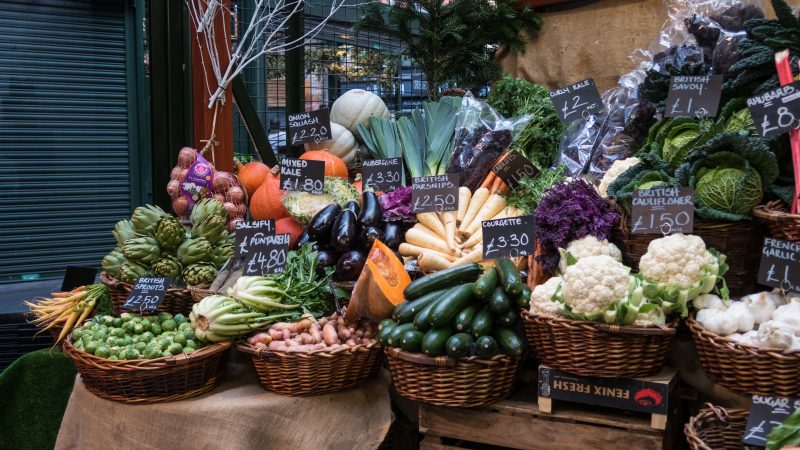
We currently import 84% of the fruit and 46% of the vegetables we consume. The long-overdue Horticulture Growth Strategy is promised “later this year” and the 50% of public procurement rule would be a powerful tool in its armoury. This would help create local markets, diversify what we grow, and shorten the farm-to-fork journey. It could also have a major impact on public health. We all know we need to eat more fruit and veg, and upping consumption in schools, hospitals, care homes and prisons would be a great start.
Become a friend of LabourList and join our community. Our friends support our vital non-factional work and get access to exclusive content and events.
We are currently far more self-sufficient in meat and dairy than in fruit and veg, but while this might be “local” – or at least British – it’s often far from sustainable. Most of the billion or so chickens produced in the UK each year come from intensive indoor systems. The Wye catchment has seen a 400% increase in poultry production over the past decade, with a devastating environmental impact on the river and land. Around 70-90% of soy used in animal feed is imported and a major cause of deforestation in the Amazon. The news that we’re allowing planning rules to be relaxed to allow the expansion of industrialised poultry farming – driven by a desire to “remove barriers to economic growth” suggests that sustainability is far from some government minds.
On Wednesday this week the Government announced that in future the ‘social value’ weighting for public procurement will be focused on jobs, skills and opportunities. This could give a significant boost to place-based growth. But we must not lose sight of the specific pledge on food procurement. What is currently only a signal of intent has the potential to be a genuinely transformative policy. Now it’s time to turn ambition into action.
Subscribe here to our daily newsletter roundup of Labour news, analysis and comment– and follow us on TikTok, Bluesky, WhatsApp, X and Facebook. You can also write to our editor to share your thoughts on our stories and share your own. The best letters are published every Sunday.
-
- SHARE: If you have anything to share that we should be looking into or publishing about this story – or any other topic involving Labour– contact us (strictly anonymously if you wish) at [email protected].
- SUBSCRIBE: Sign up to LabourList’s morning email here for the best briefing on everything Labour, every weekday morning.
- BECOME A FRIEND: If you enjoyed this, why not consider becoming a Friend of LabourList? Help sustain our journalism, and of course Friends do get benefits…
- PARTNER: If you or your organisation might be interested in partnering with us on sponsored events or projects, email [email protected].
- ADVERTISE: If your organisation would like to advertise or run sponsored pieces on LabourList‘s daily newsletter or website, contact our exclusive ad partners Total Politics at [email protected].



More from LabourList
Labour triumphs against Polanski, but the Green threat remains
Delivering in Government: your weekly round up of good news Labour stories
Labour members willing to accept Green defections, but not Tories or Reform – poll