

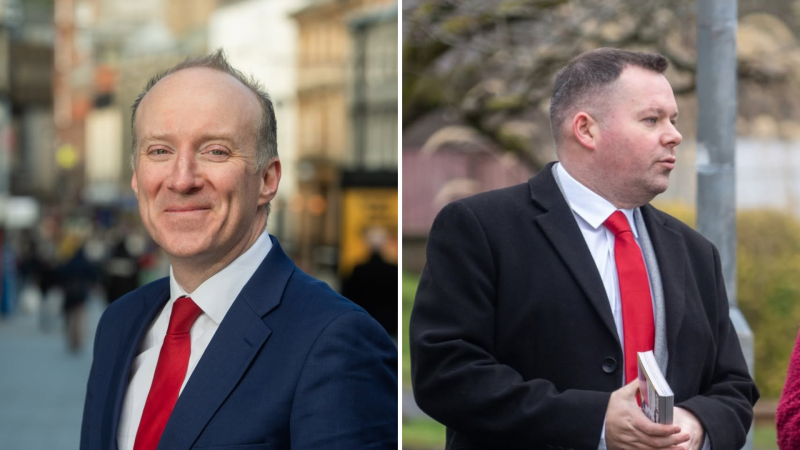

One of these two men, Michael Marra or Joe Fagan, will be the next leader of the Scottish Labour after securing the support needed to make it onto a ballot of members.
Following the party’s bruising election result in May, both candidates are promising a new direction, with a greater voice and say for party members and rebuilding trust among the Scottish public ahead of local elections across the nation next year.
However, as credible as both these candidates are, it is worth pointing out what will be an inconvenient truth for Labour – once again, all three Labour parties will be run by men. That should prompt some uncomfortable questions of its own. Why is it that, time and time again, women are struggling to get onto the ballot – and what barriers are they encountering that their male colleagues are not?
This is, of course, not to suggest that either Marra or Fagan are undeserving of the position, nor that the answer is to simply put a woman on the ballot for the sake of it. Tokenism is not the answer. Nor is intervening for a single candidate in a single race. This would only undermine the individual woman involved.
But women are repeatedly and consistently absent from the final vote among members for leadership races – and at a nationwide level, they continue to fall short on the occasions they do make it to the vote. Labour needs to take a look in the mirror and be honest about why that is.
Become a friend of LabourList and join our community. Our friends support our vital non-factional work and get access to exclusive content and events.
There are immense structural and cultural barriers that can make such a bid a daunting prospect, along with an unbalanced level of scrutiny that women face in public life. Monica Lennon is hardly the first woman at a senior level in the Labour Party to complain about a ‘boys club’ culture of such briefings.
Andy Burnham has spoken about changing the culture of the party. In the months and years to come, Labour will need to go the extra mile to listen to women across the country to hear their experiences and learn from them what this culture feels like for them. It will only be by centring those at the sharpest end of poor culture that we can work out how these barriers can be overcome.
A party that wants to represent working people cannot be satisfied with women being well represented among its grassroots, councillors and elected representatives if that same party still struggles to elect a woman at the top.
Subscribe here to our daily newsletter roundup of Labour news, analysis and comment– and follow us on TikTok, Bluesky, WhatsApp, X and Facebook. You can also write to our editor to share your thoughts on our stories and share your own. The best letters are published every Sunday.
-
- SHARE: If you have anything to share that we should be looking into or publishing about this story – or any other topic involving Labour– contact us (strictly anonymously if you wish) at [email protected].
- SUBSCRIBE: Sign up to LabourList’s morning email here for the best briefing on everything Labour, every weekday morning.
- BECOME A FRIEND: If you enjoyed this, why not consider becoming a Friend of LabourList? Help sustain our journalism, and of course Friends do get benefits…
- PARTNER: If you or your organisation might be interested in partnering with us on sponsored events or projects, email [email protected].
- ADVERTISE: If your organisation would like to advertise or run sponsored pieces on LabourList‘s daily newsletter or website, contact our exclusive ad partners Total Politics at [email protected].



More from LabourList
Rotten to the core? Reform demonstrate why party discipline is important
Paul Nowak column: ‘Britain needs a living standards Budget’
‘Brexit was never a closed matter – it’s time to put the national interest first’