


A summer of droughts, forest fires and heatwaves across the UK and Europe is a stark reminder on our own doorstep of the very real consequences of the global climate crisis. And now, forecasters expect one of the most extreme El Niño weather events in recorded history, bringing disruption to India, South America and parts of Africa. Hotter summers here and extreme weather abroad both threaten our food security, and our prosperity.
Linked to all of this is the resilience of our global supply chains, particularly our food supply chains. The more climate disruption there is, the harder it will be to keep the cost of living low for the essential goods that feed us. This Labour Government was elected on a platform to help with the cost of living. One of the barriers to achieving this is the climate crisis.
Though many support home grown food as a solution to this, many foods, along with other common commodities the UK relies on, are grown overseas. 40 percent of the UK’s food is imported. Staples like bananas, rice, tea and coffee can’t be grown domestically. This is why our food security depends on the resilience of farmers overseas, as well as in the UK.
READ MORE: Labour Party Conference 2026: Full LabourList events programme, revealed
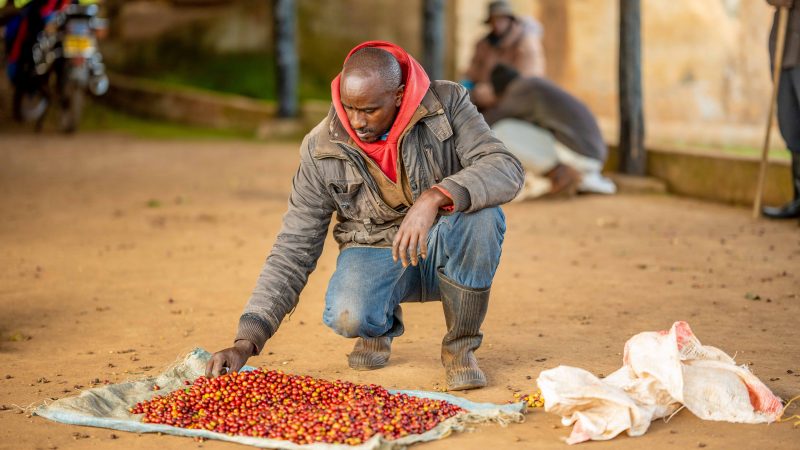
“Unpredictable weather patterns mean we no longer know when the rains will come – yet coffee farming depends entirely on rainfall,” explains Martin Kinyua, who is a coffee farmer and Manager of Mutira Coffee Cooperative in Kenya.
Climate change is one of the biggest challenges facing Martin’s cooperative. “When you cannot predict the seasons, you cannot plan when to buy or apply inputs like fertiliser, and that affects the entire harvest.”
Farms like Martin’s cooperative that grow these staples are expected to be hit hardest by extreme weather events. Therefore, to keep prices affordable, farmers must have the resources they need to adapt to a changing climate. With the impact of the ‘Super El Niño’ on the horizon, supporting communities to prepare is an investment in shared mutual security that benefits us all. It is not only the right thing to do but is also firmly in our national interest.
The Government’s Responsible Business Conduct Review, which is considering the effectiveness of the UK’s current measures and alternative policy options to support responsible business practices, can help us deliver on this. The result of this review should be an opportunity for Labour to show that economic growth, fair treatment of workers, environmental responsibility and long-term food security can go hand in hand. Though the previous Trade Minister, in an answer to my written question in January, stated that the outcome of the review would be published “soon”, it is yet to be published. We need to move quickly to ensure that we are building ethical and effective economic and food security.
A Business, Human Rights and Environment Act (also known as HREDD), which would introduce mandatory due diligence legislation, could be a significant contribution to achieving all of this. It would require companies to monitor and address human rights and environmental harms in their supply chains. Such legislation would not pay for farmers’ climate adaptation outright, but it would force the companies that profit from their harvests to take responsibility for the risks a changing climate poses to those farmers, rather than leaving the burden on them alone. The Responsible Business Conduct Review is an opportunity for the Government to launch this legislation.
Become a friend of LabourList and join our community. Our friends support our vital non-factional work and get access to exclusive content and events.
Economic growth can and should rightly remain at the heart of the Government’s agenda, but such growth should work for everyone, including the farmers and workers at the start of global supply chains. Without stronger standards, there remains a risk that UK businesses and consumers continue to benefit from goods produced through exploitation, poverty wages and environmental harm. We should ensure that the farmers who grow the food we rely on are well paid and well resourced, so they can handle climate shocks.
The International Development Minister Kirsty McNeill’s recent focus on food security in her first major speech is welcome. I look forward to building on these discussions at Labour Party Conference. Martin Kinyua will be attending and bringing his message to Conference. As Martin rightly reminds us, “There’s a lot of work that happens before you get that one cup of coffee”. He’d like businesses and governments to play their part.
This summer’s droughts, forest fires and heatwaves across the UK and Europe are a stark reminder of the cost of inaction. The outcome of the Responsible Business Conduct Review is a major piece of the puzzle, and alongside it there must be effective leadership and policies at the local and national level. Now is the time to act before the impact of climate change becomes too great for any one farmer, nation, continent or planet to handle.
Subscribe here to our daily newsletter roundup of Labour news, analysis and comment– and follow us on TikTok, Bluesky, WhatsApp, X and Facebook. You can also write to our editor to share your thoughts on our stories and share your own. The best letters are published every Sunday.
-
- SHARE: If you have anything to share that we should be looking into or publishing about this story – or any other topic involving Labour– contact us (strictly anonymously if you wish) at [email protected].
- SUBSCRIBE: Sign up to LabourList’s morning email here for the best briefing on everything Labour, every weekday morning.
- BECOME A FRIEND: If you enjoyed this, why not consider becoming a Friend of LabourList? Help sustain our journalism, and of course Friends do get benefits…
- PARTNER: If you or your organisation might be interested in partnering with us on sponsored events or projects, email [email protected].
- ADVERTISE: If your organisation would like to advertise or run sponsored pieces on LabourList‘s daily newsletter or website, contact our exclusive ad partners Total Politics at [email protected].



More from LabourList
‘Why Iceland’s EU referendum matters to British progressives’
‘Beyond recruitment: a new fostering plan that offers real hope’
Reform’s rotten culture is exposed