


When I recently spoke to Neil Kinnock about education and social mobility, one of his arguments stayed with me: “nursery education should be free”. The more I thought about it, the more fundamental the question became. If we believe education is a public good, why does our conception of universal education begin only when a child reaches school?
While similar practices exist in the UK, our wider approach to early years is still framed more as childcare than as a fundamental stage of education, with access to funded hours often shaped by parental eligibility. The result is that children can enter reception at very different stages of development, creating an immediate challenge for primary schools as they try to close gaps in speech, communication, cognitive development and social skills.
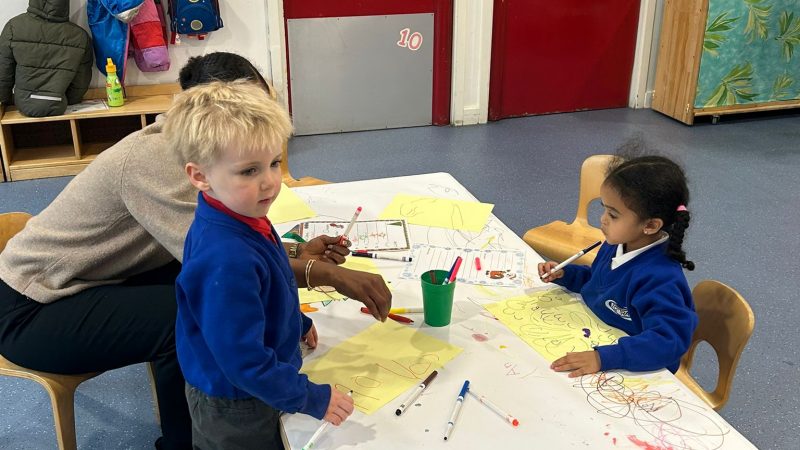
A more ambitious approach would treat early years not simply as support for working parents, but as the first stage of every child’s education. That is perhaps the most important lesson we can draw from the Nordic tradition, that play, exploration and education are not competing ideas, but the foundations on which confident, curious and independent learners are built.
Nordic fever appears to have landed in the UK education system. Since Labour entered government in 2024, giving every child the best possible start in life has become a central part of the Plan for Change, including an ambition for 75% of five year olds in England to reach a good level of development by 2028.
READ MORE: Labour Party Conference 2026: Full LabourList events programme, revealed
The government has already taken a series of positive steps towards reducing the development gap. The Early Years Pupil Premium received its largest ever increase, rising by more than 45% to a maximum of £570 per eligible child in 2025, with further support targeted towards disadvantaged children. Best Start Family Hubs are being rolled out across every local authority, backed by more than £500 million, bringing early language, health, parenting and SEND support closer to families. Alongside this, the expansion of funded childcare to 30 hours for eligible working families from nine months old and the creation of hundreds of new school-based nurseries are bringing early years provision closer to the education system itself.
The lesson from our Nordic neighbours is not simply that government should provide more childcare. It is that access, quality and pedagogy need to work together. Norway’s experience suggests that universal early years provision can improve educational outcomes and particularly benefit children from less advantaged backgrounds; while Denmark demonstrates that play can be deliberately combined with language, communication and early mathematical development. Finland goes further still in treating early years professionals as educators, supported by a national curriculum in which every child has an individual learning plan. The question for Labour is not whether Britain should simply copy another country’s system, but what we can learn from different countries that have already decided that education begins long before the first day of school.
Become a friend of LabourList and join our community. Our friends support our vital non-factional work and get access to exclusive content and events.
If we are serious about closing the inequality gap and giving every child the best possible start in life, early years education must be treated as a universal entitlement rather than an optional extra. The government has been right to make early years a priority and has taken important steps to improve access. The next challenge is to go further.
As Nordic countries have shown, expanding access must be matched by a relentless focus on quality, with well trained professionals, purposeful play and clear frameworks for children’s development. If we want to nurture the confident, curious and capable citizens of the future, then universal education cannot begin at the school gates. It must begin in the early years.
Subscribe here to our daily newsletter roundup of Labour news, analysis and comment– and follow us on TikTok, Bluesky, WhatsApp, X and Facebook. You can also write to our editor to share your thoughts on our stories and share your own. The best letters are published every Sunday.
-
- SHARE: If you have anything to share that we should be looking into or publishing about this story – or any other topic involving Labour– contact us (strictly anonymously if you wish) at [email protected].
- SUBSCRIBE: Sign up to LabourList’s morning email here for the best briefing on everything Labour, every weekday morning.
- BECOME A FRIEND: If you enjoyed this, why not consider becoming a Friend of LabourList? Help sustain our journalism, and of course Friends do get benefits…
- PARTNER: If you or your organisation might be interested in partnering with us on sponsored events or projects, email [email protected].
- ADVERTISE: If your organisation would like to advertise or run sponsored pieces on LabourList‘s daily newsletter or website, contact our exclusive ad partners Total Politics at [email protected].



More from LabourList
‘Why Iceland’s EU referendum matters to British progressives’
‘Beyond recruitment: a new fostering plan that offers real hope’
Reform’s rotten culture is exposed