

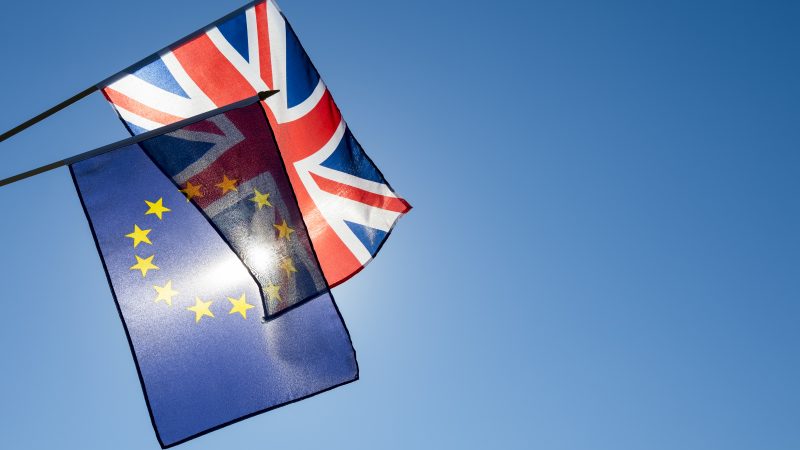

This is the first of two pieces exploring the options for Britain’s future relationship with the EU by former European Parliamentary Labour Party leader Richard Corbett.
Prime Minister Andy Burnham has opened a debate about what to do about our relationship with the EU, now that Brexit is widely seen to have been a costly failure which bears no relationship to what had been promised by Leave campaigners.
He mentioned four potential options. What are they – and what would they deliver?
The status quo
This is totally unsatisfactory, given the economic costs of Brexit. According to the Bank of England and the National Bureau of Economic Research, the size of the British economy (as measured by GDP) is between six and eight percent lower than it would otherwise have been. This has led, among other things, to a shortfall of government tax revenue of up to £90 billion per year. Imagine the difference that would have made to current debates about how to finance much needed policies.
Over 20,000 small businesses have stopped exporting to the EU entirely, and 18,000 have folded. Add to that the non-economic issues, including Britain’s absence from the foreign policy and security discussions that take place in the EU, our weakened ability to control our own border due to lost cooperation frameworks and multiple practical problems faced by individuals who travel.
READ MORE: Ed Miliband addresses party conference for first time as Foreign Secretary – his speech in full
Piecemeal improvements to the status quo, as sought by the Starmer government, have proved to be slow and problematic. The EU is wary of British ‘cherry picking’, and, in any case, solving issues in one sector triggers consequences and problems in others. It has also proved to be an exceedingly slow process.
Customs union
Joining the EU’s Customs Union, would secure modest economic benefits in terms of facilitating our trade with the EU, avoiding the need for customs checks at the border with their complex ‘rules of origin’ requirements, but not avoiding single market regulatory checks on products. We would also benefit from the tariff-lowering trade deals that the EU has negotiated with other countries around the world, but would lose the ability to make separate deals of this kind – though in practice it has proved difficult to secure any better such deals without the clout of the world’s largest market behind us. Economic estimates are that a customs union alone would only recover a small fraction of total post-Brexit losses, of around 0.5% of GDP.
Single market
Joining the EU’s single market as a non-EU member (as Norway, Iceland and Switzerland have done in various ways) would produce significant economic benefits with British producers able to sell throughout the EU without further ado (no extra certification requirements, safety checks, authorisations, etc), as the same single market rules apply (and are enforceable in courts) across the EU. But Britain would become a “rule-taker” for these rules (on product standards, consumer protection, workers’ rights, environmental standards and competition rules to avoid market domination by big multinational companies). This might not be a major problem in the short run (as most single market rules were developed when Britain was a member) but over time, as the EU updates and modifies its regulations, Britain would have to apply those changes without having (much of) a say. It’s hard to imagine, for example, that Britain would accept that financial sector rules affecting the City of London could be adopted without Britain’s involvement.
Become a friend of LabourList and join our community. Our friends support our vital non-factional work and get access to exclusive content and events.
Full membership of the EU
This would deliver the economic benefits of the single market and the customs union combined, but, crucially, with a seat at the table where decisions are taken and EU rules are set. British ministers would take part in meetings of the EU Council (protecting national interests as seen by the government of the day) and we would again have elected Members of the European Parliament (representing the full range of views of British public opinion).
Membership would also have non-economic benefits, in the multiple fields in which European countries cooperate through the EU framework, from research, to student exchanges, to fighting cross-border crime and much else. What has become particularly important since we left the EU, is cooperation in the field of foreign policy and security. With a militarily aggressive Russia to the east and an unreliable and unpredictable USA to the west, all European countries are discovering that they share interests, and indeed values, that can better be protected if we work together.
But how easy would it be to seek renewed membership of the EU? We shall look at this tomorrow.
Subscribe here to our daily newsletter roundup of Labour news, analysis and comment– and follow us on TikTok, Bluesky, WhatsApp, X and Facebook. You can also write to our editor to share your thoughts on our stories and share your own. The best letters are published every Sunday.
-
- SHARE: If you have anything to share that we should be looking into or publishing about this story – or any other topic involving Labour– contact us (strictly anonymously if you wish) at [email protected].
- SUBSCRIBE: Sign up to LabourList’s morning email here for the best briefing on everything Labour, every weekday morning.
- BECOME A FRIEND: If you enjoyed this, why not consider becoming a Friend of LabourList? Help sustain our journalism, and of course Friends do get benefits…
- PARTNER: If you or your organisation might be interested in partnering with us on sponsored events or projects, email [email protected].
- ADVERTISE: If your organisation would like to advertise or run sponsored pieces on LabourList‘s daily newsletter or website, contact our exclusive ad partners Total Politics at [email protected].



More from LabourList
‘How Burnham’s government can overcome barriers to taxing wealth’
‘Our regional theatres are engines of growth. Labour should help them thrive’
The art of the political apology