


SPONSORED
There is no denying that we are excited by the renewed attention being given to the North.
The establishment of No.10 North, the commitment to further devolution, and the growing focus on regional growth all point in the same direction: a recognition that the UK’s future prosperity depends on making the most of the strengths that exist across every part of the country.
As leaders of a partnership bringing together eight of the North’s most research-intensive universities, we welcome that shift.
The opportunity now is to make devolution work through partnership: combining strong local leadership with collaboration between universities, industry, civic institutions and government at the scale needed to turn Northern strengths into national growth.
The North has the strengths. Now we need to translate them into growth
Across the North, we have universities producing world-leading research, businesses with deep sector expertise, major research facilities, skilled graduates, and civic leaders with a clear sense of what their places need. These are considerable strengths, and we should be proud of them.
The opportunity now is to capture more of the value from the assets we already have: to shorten the journey from discovery to investment, adoption and businesses growing at scale. That means focusing collaboration on opportunities where the North has real strength, national strategic importance, and a credible route to delivery and impact.
Places where innovation works well rarely succeed because of one organisation, one funding round or one policy announcement. They succeed through the patient work of connecting talent, facilities, businesses, public services, investors and civic leadership around clear opportunities. Research excellence and capital both matter, but neither is sufficient on its own. As long-term institutions rooted in their places, universities can provide the continuity these ecosystems need, connecting research, talent and facilities with local priorities and opportunities for growth.
Innovation follows opportunity, not administrative boundaries
This matters because the geography of innovation is rarely neat.
Consider the UK’s ambition to strengthen energy security, build sovereign capability and create high-skilled jobs. Nuclear is a good example of why the geography of opportunity matters. The North’s research expertise, industrial assets, skills base and supply chains are distributed across different institutions and places, but together they form something much more significant. N8’s emerging Northern nuclear growth proposition is designed to connect those strengths around technology translation, skills, supply-chain growth and investment, rather than treating them as a collection of isolated assets.
This is why the geography of innovation matters. Devolution gives places the agency to act on their strengths, but the biggest opportunities often depend on capabilities that sit beyond any single boundary. The task is to use that agency to identify complementary strengths and build the partnerships needed to turn them into growth.
Partnership needs infrastructure, not just goodwill
If the Government wants Northern growth to deliver for the UK, it will need more than ambition and more than individual projects. It will need practical mechanisms that allow collaboration to happen across institutions, sectors and strategic authority boundaries.
That means incentives that reward partnership, not just competition. It means funding routes that allow universities, industry, civic leaders and public services to organise around shared priorities over time. Investment does not follow research excellence alone. It follows places and partnerships where talent, facilities, customers, supply chains and credible routes to scale are visible and well connected, and where there is enough stability and long-term commitment to give partners confidence.
Universities can be part of the machinery of growth
The role of universities in growth is often understood too narrowly. For partnership to deliver, government needs to recognise universities as whole institutions. Teaching, research, innovation, skills, civic engagement and business support are often treated as separate policy categories. In practice, they are connected parts of the same engine. When they work together, universities can help places attract investment, grow businesses, retain talent and solve problems that matter to people’s lives.
The Advanced Manufacturing Research Centre in South Yorkshire shows what can happen when universities, industry and government commit to a shared opportunity over the long term. It has helped turn research expertise into industrial capability, investment and high-skilled jobs.
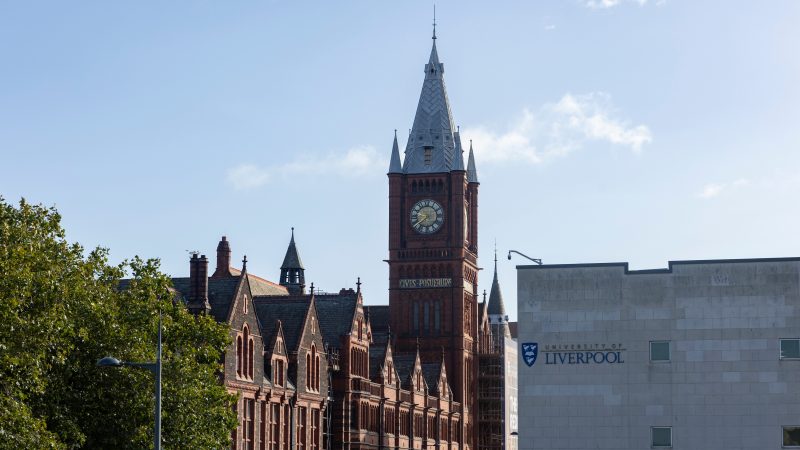
The Local Innovation Partnerships Fund is a welcome sign of this approach in action, including £23.7 million announced for two University of Liverpool-led projects developed with Liverpool City Region and industry partners.
Maintaining momentum means organising for delivery
The North has the talent, expertise, institutions and leadership to make a larger contribution to national prosperity. The next phase should bring those strengths together around a small number of serious opportunities, where there is clear industrial demand, committed partners, credible investment potential and accountability for outcomes.
For government, that means backing collaboration as deliberately as it backs competition. For universities, it means continuing to look outward and work with partners around shared priorities. For industry and investors, it means engaging with the North not as a set of isolated institutions or places, but as a connected innovation ecosystem with serious potential.
Devolution has created momentum. The task now is to build the partnerships, mechanisms and confidence that allow that momentum to translate into delivery.
N8 stands ready to work with government, mayors, industry, funders and the wider family of university partnerships to help turn Northern strengths into national growth.
Subscribe here to our daily newsletter roundup of Labour news, analysis and comment– and follow us on TikTok, Bluesky, WhatsApp, X and Facebook. You can also write to our editor to share your thoughts on our stories and share your own. The best letters are published every Sunday.
-
- SHARE: If you have anything to share that we should be looking into or publishing about this story – or any other topic involving Labour– contact us (strictly anonymously if you wish) at [email protected].
- SUBSCRIBE: Sign up to LabourList’s morning email here for the best briefing on everything Labour, every weekday morning.
- BECOME A FRIEND: If you enjoyed this, why not consider becoming a Friend of LabourList? Help sustain our journalism, and of course Friends do get benefits…
- PARTNER: If you or your organisation might be interested in partnering with us on sponsored events or projects, email [email protected].
- ADVERTISE: If your organisation would like to advertise or run sponsored pieces on LabourList‘s daily newsletter or website, contact our exclusive ad partners Total Politics at [email protected].




More from LabourList
‘Public water, local power’
‘A moral approach to gambling, not politics as usual’
Letters to the Editor – week ending 11th October 2026