


There are few things more difficult in politics than apologising without making things worse – and there are few things more revealing than watching a politician try.
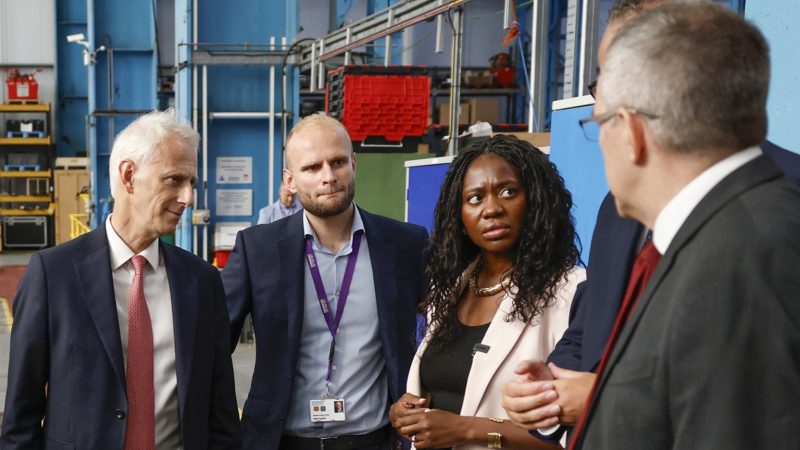
Miatta Fahnbulleh has been discovering this for herself over the last 24 hours. After an interview with Sky News’ Sophy Ridge, where she did not explicitly endorse Shabana Mahmood’s plans to reform indefinite leave to remain, the Energy Secretary told journalists: “I made three promises to myself when I came into politics. The first was never lie, which has created some awkward moments, including being interviewed by Sophy Ridge.”
The implication was hard to miss, and was exploited by members of the Lobby. Hours later, Fahnbulleh issued a clarification: “I made what was meant to be a light-hearted self-deprecating remark. I didn’t get it right, and it hasn’t come off as I intended. I fully support our Home Secretary and the government’s position on migration reform.”
It was a familiar political ritual: the initial remark, a press frenzy, followed by a clarification and a hope that the news cycle will move on. But what makes for a good political apology?
Crucially, you have to understand what you are apologising for. All too often, politicians fall back on the cliché that their words were ‘taken out of context’ or were misunderstood. The same is true for those apologising ‘if some people were upset’, which puts the onus on those offended. Knowing the meaning behind your words is not the same as owning their consequences.
Then, there’s knowing what you are and aren’t conceding. Apologising doesn’t require giving up an argument for a political position. You can remain committed to your stance while still recognising that a comment made while making it was ill-conceived. Karl Turner is a recent example of this, with his apology for his “overly robust” approach in opposing plans to curtail jury trials.
Finally, how soon (or not) the apology is made really matters. The longer a controversy is left unanswered, the more opportunity there is for it to be exploited by others. However, too hasty a statement can risk coming across as unconvincing.
A masterclass in what not to do comes from Reform’s reaction to the ITV investigation; rather than apologising and demonstrating a commitment to root out racism and misogyny in the party, they’ve threatened the broadcaster with legal action…
Politicians shouldn’t feel the need to apologise for every awkward interview or a joke that lands badly – but there is a fine line between being authentic and being careless, just as there is between offering an explanation and accepting responsibility.
The best political apologies are simply those that demonstrate an understanding of what went wrong, address the substance of criticism and show the public (and the press) that the matter is now settled.
In politics, as in life, saying sorry is only the beginning. Showing that you mean it through what you do next is the art.
Become a friend of LabourList and join our community. Our friends support our vital non-factional work and get access to exclusive content and events.
Subscribe here to our daily newsletter roundup of Labour news, analysis and comment– and follow us on TikTok, Bluesky, WhatsApp, X and Facebook. You can also write to our editor to share your thoughts on our stories and share your own. The best letters are published every Sunday.
-
- SHARE: If you have anything to share that we should be looking into or publishing about this story – or any other topic involving Labour– contact us (strictly anonymously if you wish) at [email protected].
- SUBSCRIBE: Sign up to LabourList’s morning email here for the best briefing on everything Labour, every weekday morning.
- BECOME A FRIEND: If you enjoyed this, why not consider becoming a Friend of LabourList? Help sustain our journalism, and of course Friends do get benefits…
- PARTNER: If you or your organisation might be interested in partnering with us on sponsored events or projects, email [email protected].
- ADVERTISE: If your organisation would like to advertise or run sponsored pieces on LabourList‘s daily newsletter or website, contact our exclusive ad partners Total Politics at [email protected].



More from LabourList
Delivering in Government: your weekly round up of good news Labour stories
‘The Budget must not leave renters out in the cold’
‘Recall to prison should protect the public, not punish instability’