

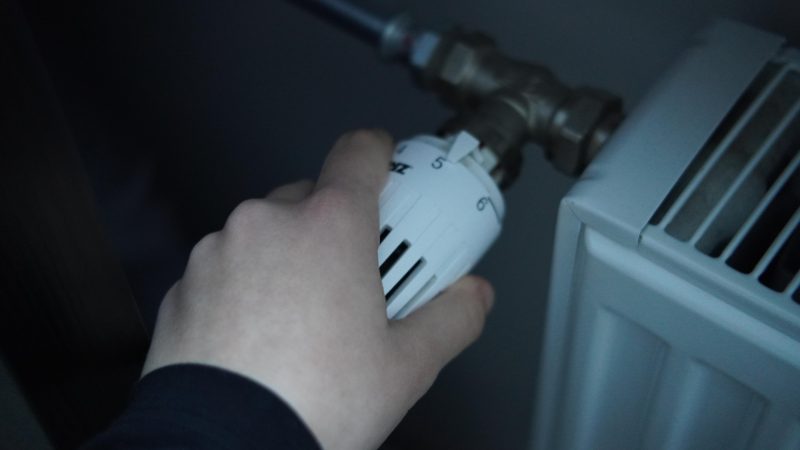

As the days get shorter and the scorching summer becomes a distant memory replaced by grey skies and biting winds, private renters across the country will be gearing up to see how long they can last, and how many layers of clothing they can wear at once, before caving and turning the central heating on.
More than one in five private renters are living in fuel poverty, according to government statistics, the highest rate of any tenure type.
But that statistic doesn’t take into account the recent energy price cap increase. Ofgem estimates the increase will cost the average household around £60 a year. However, private renters are much more likely to live in homes with very poor energy efficiency ratings. Around half of private rented homes in England fall below Energy Performance Certificate C, compared to around a quarter of social rented homes.
As bills rise, this will mean renters shouldering extra costs, with Generation Rent’s analysis finding households in homes with an EPC D rating are set to pay around £180 a year more – three times Ofgem’s estimate – while those in EPC E are set to pay an eye watering £210 a year more.
READ MORE: ‘Older renters can’t wait: local housing allowance must be uprated now’
Sadly, this is just the beginning of the pain, with experts predicting bills to surge in January by a massive 16 percent, marking the biggest rise in bills in the past four years. Again, it will be private renters who are hit hardest by this.
Understandably, a key concern of the Chancellor in the upcoming Budget is how to soften the impact of bill increases on households. The Guardian recently reported John Healey is working on plans to spend more than £1bn to help energy consumers, the bulk of which is likely to go towards increasing the discount given to households on certain benefits.
While this will help those in most need, my fear is it simply won’t be enough. Slightly over one million private renters received the Warm Homes Discount in 2025/26, an energy bill discount targeted at people claiming benefits/pension credit.
However, Generation Rent’s polling in April 2025 found nearly 4 million renters regularly struggle to pay their energy bills, with nearly half saying they had to cut spending on daily essentials like food, while more than a quarter had gone into debt in order to pay bills.
I’m sure if we ran the poll again today, the number would be even higher.
Become a friend of LabourList and join our community. Our friends support our vital non-factional work and get access to exclusive content and events.
Unlike homeowners, private renters have little control over their homes’ energy efficiency. We can’t simply decide to install insulation, replace an inefficient heating system, or make other improvements that would lower bills.
The long-term solution to this problem is clearly forcing landlords to invest to improve the energy efficiency of renters’ homes. Thankfully the government is doing this, with a new minimum standard coming in in 2030.
But many landlords will wait until the last minute to invest in improvements, whilst there is little stopping them from recouping their investment through hiking the rent, cancelling out the benefit of lower bills for their tenants.
Meanwhile, polling from More in Common found concern over winter energy bills extends far beyond those traditionally seen as vulnerable and only drops among those on a household income over £100,000.
For private renters this rings true. Even if you earn a good wage, the combination of a draughty, cold home, rising energy prices and your landlord pocketing 40+ percent of your pay each month means you’re spending your evenings working out how to make ends meet each month, rather than planning for the future.
That’s why I think we’re past the stage where targeted support for those most in need is enough. Instead, Generation Rent recently joined a range of other organisations including the Joseph Rowntree Foundation and the Cost of Living Action Campaign, calling for a package of universal energy support.
Renters cannot afford to wait until 2030 for warmer homes, or hope that targeted support will reach them before their bills become unmanageable. The Chancellor must act now, with universal support that recognises the scale of this crisis.
In 2026, no one should have to choose between heating their home and putting food on the table.
Subscribe here to our daily newsletter roundup of Labour news, analysis and comment– and follow us on TikTok, Bluesky, WhatsApp, X and Facebook. You can also write to our editor to share your thoughts on our stories and share your own. The best letters are published every Sunday.
-
- SHARE: If you have anything to share that we should be looking into or publishing about this story – or any other topic involving Labour– contact us (strictly anonymously if you wish) at [email protected].
- SUBSCRIBE: Sign up to LabourList’s morning email here for the best briefing on everything Labour, every weekday morning.
- BECOME A FRIEND: If you enjoyed this, why not consider becoming a Friend of LabourList? Help sustain our journalism, and of course Friends do get benefits…
- PARTNER: If you or your organisation might be interested in partnering with us on sponsored events or projects, email [email protected].
- ADVERTISE: If your organisation would like to advertise or run sponsored pieces on LabourList‘s daily newsletter or website, contact our exclusive ad partners Total Politics at [email protected].



More from LabourList
Delivering in Government: your weekly round up of good news Labour stories
‘Recall to prison should protect the public, not punish instability’
Several Labour MPs warn Jackdaw approval could undermine climate progress