
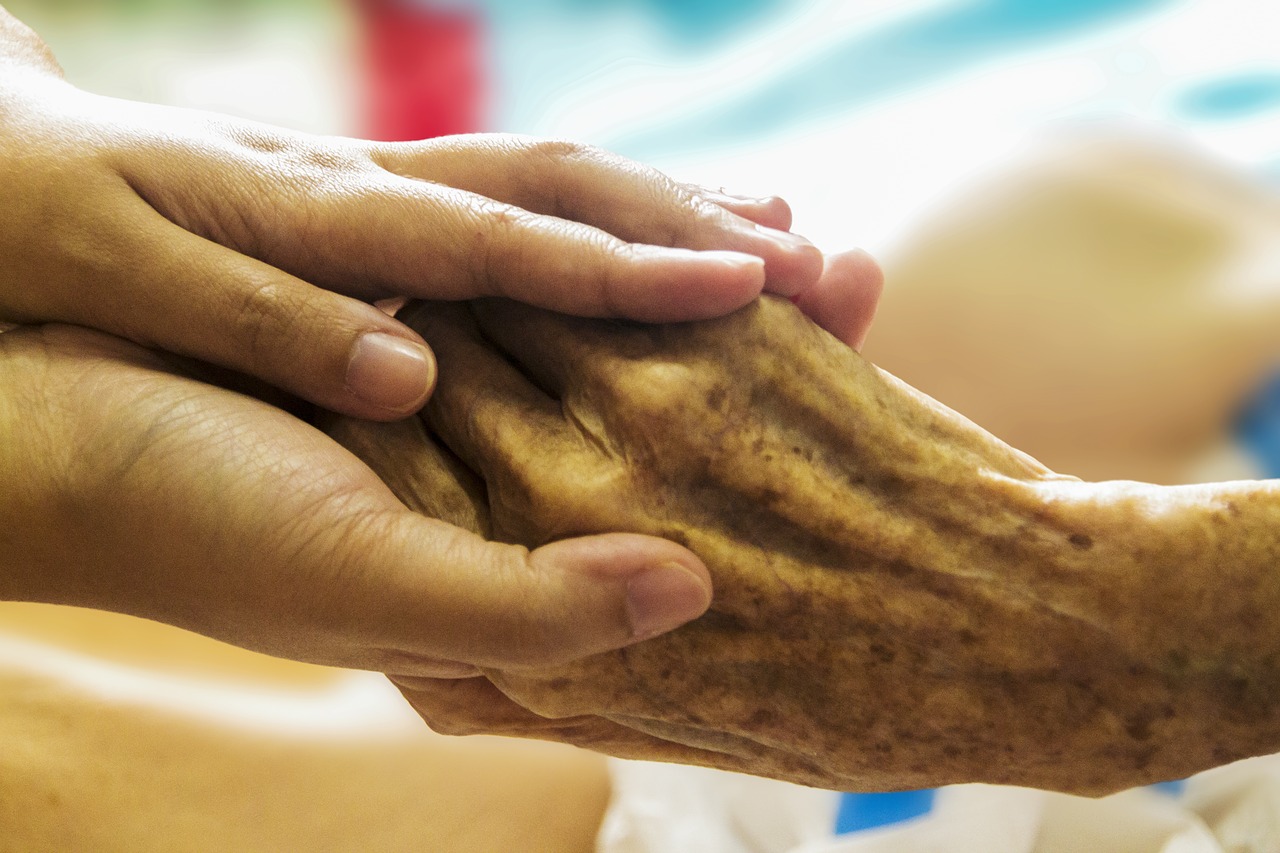
For women over 50, the likelihood of breaking a bone because of osteoporosis is one in two. As a woman in this age group, with many friends facing the same risks, this issue has resonated deeply with me.
Osteoporosis and the fragility fractures it causes are often seen as an inevitable part of ageing, but they are not. This condition can be identified early and treated effectively with medications that can cost the NHS as little as £1 a week.
And yet, hip fractures alone cost the NHS around £2 billion every year, while more than a quarter of patients die within a year of suffering one.
So, if we have the knowledge, the treatments and the evidence, why are so many people still suffering from unnecessary fractures and missed diagnoses?
The commitment to universal Fracture Liaison Services (FLSs) by 2030 was included in Labour’s 10 Year Health Plan, which I warmly welcomed as recognition of the importance of these vital services. FLSs are widely recognised as the gold standard of osteoporosis care, providing essential early detection, treatment and prevention of low bone density and further deterioration.
For thousands of patients, the impact is life changing. By diagnosing osteoporosis earlier and prescribing bone-strengthening medication, FLSs can systematically reduce the risk of re-fracturing by up to 40%.
Yet despite the commitment to universal coverage, progress remains far too slow.
Ministers have recently suggested that the gap in provision has been almost entirely addressed; I fear that these figures are flattering to deceive. In reality, the number of FLSs has increased only from 80 to 83, while almost half of NHS Trusts still do not provide the service.
We cannot solve this problem by redefining the target. No new clinics and no new patients receiving treatment will not deliver the transformation that was promised. If we are serious about preventing avoidable fractures, we need a clear plan to expand FLS provision so that everyone, regardless of where they live, can access the same standard of care.
At present, access to osteoporosis care remains a postcode lottery. In my constituency there are around 5,800 people living with osteoporosis. Some constituents in Sunderland and Washington benefit from access to the service at Sunderland Royal Hospital, whereas others living in Gateshead but still in my constituency are unable to access an FLS at all.
That is simply not good enough. No one should suffer a life-changing fracture simply because they live on the wrong side of an NHS boundary.
The consequences fall hardest on those already facing disadvantage. People living in more deprived communities are more likely to suffer fractures, spend longer recovering in hospital, and are more likely to die following a hip fracture.
Health inequalities are not inevitable. They are the result of policy choices. Expanding access to FLSs is one practical step we can take to narrow those gaps.
The case for action is not only moral; it is economic too.
FLSs are one of the rare examples of a healthcare intervention that improves outcomes while saving money, with services usually breaking even within two years and then going on to generate savings for both the NHS and social care.
Where FLSs do not exist, patients are often treated for a fracture and discharged without anyone addressing the underlying osteoporosis that caused it in the first place.
The result is predictable: more fractures, more hospital admissions and more pressure on already stretched NHS services.
At any given time, around seven percent of NHS beds are occupied by patients with fragility fractures. More widely, tens of thousands of working-age adults suffer fractures annually resulting in over a million lost working days.
We do not have to speculate about whether nationwide provision can be achieved. Wales has already shown what is possible when ambition is matched with delivery. When in power in Wales, the Labour Government rolled out FLSs across the country and results were clear with fracture identification increasing by 191 percent between 2023-25 and every health board maintaining its service.
The success in Wales has fully convinced me that an effective rollout can be achieved in England too.
Recently, at the Royal Osteoporosis Society’s 40th anniversary event, I was inspired by Her Majesty The Queen’s commitment to raising awareness of this condition. Her mother and grandmother both experienced osteoporosis, and she understands the devastating impact it can have on families. I am determined to play my part too.
Osteoporosis should not continue to rob people of their independence, mobility and quality of life when effective treatment exists. We know what works. We know FLSs save bones, save lives, and save money.
Every unnecessary fracture prevented means another person able to live independently, another family spared hardship, and another NHS bed freed for those who need it. The Government has made a commitment to universal Fracture Liaison Services by 2030. It must now turn that promise into reality.
-
- SHARE: If you have anything to share that we should be looking into or publishing about this story – or any other topic involving Labour– contact us (strictly anonymously if you wish) at [email protected].
- SUBSCRIBE: Sign up to LabourList’s morning email here for the best briefing on everything Labour, every weekday morning.
- BECOME A FRIEND: If you enjoyed this, why not consider becoming a Friend of LabourList? Help sustain our journalism, and of course Friends do get benefits…
- PARTNER: If you or your organisation might be interested in partnering with us on sponsored events or projects, email [email protected].
- ADVERTISE: If your organisation would like to advertise or run sponsored pieces on LabourList‘s daily newsletter or website, contact our exclusive ad partners Total Politics at [email protected].