


Earlier this month, people in Georgia marked a sombre anniversary – the day that Russian tanks crossed the border and effectively seized control of two of the country’s regions, Abkhazia and South Ossetia. It was the first time Moscow used military force against another nation since the fall of the Berlin Wall, and yet the Western response stopped well short of imposing serious costs on Russia.
In hindsight, following Russia’s land grab in Crimea and five years of all-out war in Ukraine, it’s hard not to draw comparisons to that short war in 2008 to the 1930s, where appeasement resulted in greater and more painful consequences only a few years down the track.
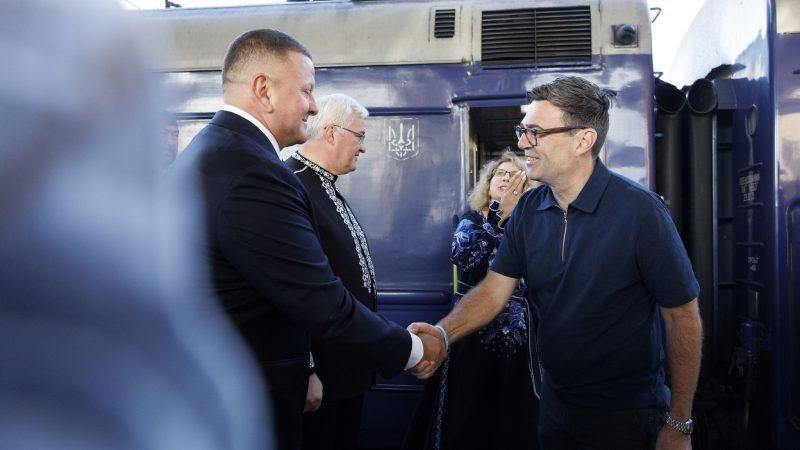
Western nations, like Britain, have since woken up to the renewed Russian threat – and Burnham’s visit to Ukraine today reaffirms our nation’s unwavering commitment to protecting democracy in Europe from Russian encroachment. The handover of blueprints for Storm Shadow missiles is a huge moment, boldly boosting Kyiv’s ability to strike back.
It comes after Moscow threatened unspecified “consequences” towards London after UK-supplied drones were used against targets on Russian soil in recent weeks. While Russian sabre-rattling has, in the past, often come to nothing, it cannot be overlooked that the UK and the rest of NATO have a delicate balance to play in avoiding escalation into a wider nuclear conflict. Even on a smaller scale, Britain will see the recent cyber attack from Iran that disabled a UK power plant for four days with unease – if Iran was able to do that, what could Russia do?
Become a friend of LabourList and join our community. Our friends support our vital non-factional work and get access to exclusive content and events.
One thing is certain – the age of the post-Cold War ‘peace dividend’ has come to an end, and renewed threats abroad, not just in Europe, but in the Middle East and Asia too, require re-equipping our military to make it fit to fight for modern warfare.
Burnham no doubt recognises the urgency of the threat, but how his government will attempt to find the money to spend on defence remains to be seen. The lesson from 2008 is clear: waiting until the threat is at the door is considerably more expensive than preparing for it in advance. The question now is whether the government’s spending decisions will match the seriousness of the geopolitical challenges it now faces.
Subscribe here to our daily newsletter roundup of Labour news, analysis and comment– and follow us on TikTok, Bluesky, WhatsApp, X and Facebook. You can also write to our editor to share your thoughts on our stories and share your own. The best letters are published every Sunday.
-
- SHARE: If you have anything to share that we should be looking into or publishing about this story – or any other topic involving Labour– contact us (strictly anonymously if you wish) at [email protected].
- SUBSCRIBE: Sign up to LabourList’s morning email here for the best briefing on everything Labour, every weekday morning.
- BECOME A FRIEND: If you enjoyed this, why not consider becoming a Friend of LabourList? Help sustain our journalism, and of course Friends do get benefits…
- PARTNER: If you or your organisation might be interested in partnering with us on sponsored events or projects, email [email protected].
- ADVERTISE: If your organisation would like to advertise or run sponsored pieces on LabourList‘s daily newsletter or website, contact our exclusive ad partners Total Politics at [email protected].



More from LabourList
‘Delivering growth in every postcode relies on good logistics’
‘In a budget of winners and losers, Labour must not let schools come last’
Budget 2026: What MPs, union leaders and think tanks want to see from Healey