

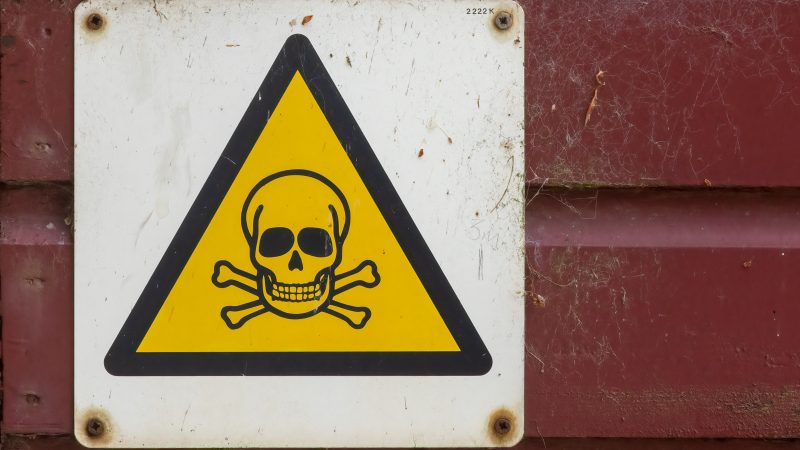

There is a hidden threat in and around many British homes that wouldn’t even occur to most of us to watch out for: lead. It is easy to imagine this is a problem of the past, and no doubt progress has been made, but unfortunately lead poisoning and pollution hasn’t gone away. Out of sight should not be out of mind: we urgently need a national screening program to understand the scale of the problem, and identify where to intervene.
There is no safe amount of lead, and even a small amount of exposure can cause lasting harm. The risks to adults recognised by the World Health Organization include heart disease, kidney diseases, and iron deficiency as well as gastrointestinal and reproductive issues. Children, tragically, are even more vulnerable. Lead impacts the developing brain, resulting in irreversible neurological damage. In high concentrations it can lead to coma, seizure and even death. Even small accumulations can contribute to adverse behavioural and educational outcomes. Maybe the most frightening thing is that people exposed to lead might show no obvious symptoms as the toxic element builds in their body, with the harm only becoming apparent when it accumulates to dangerous levels.
The sources of lead in our homes are alarmingly varied. Lead pipes and lead paint are particularly common. While they have been phased out from new construction, the UK has some of the oldest housing stock in the world, and so many period homes still contain them. Old paint that is chipping or that has been removed with dry sanding – creating leaded dust – can easily end up being accidentally consumed.
READ MORE: Labour Party Conference 2026: Full LabourList events programme, revealed
We can be exposed outside, too. Leaded petrol has not been on sale for more than 25 years, but lead particles from the decades of leaded petrol have settled into the soil. The problem is particularly bad in post-industrial areas, where mining and smelting has dispersed lead into the atmosphere, soil and water systems. Concerningly, from there, lead could make it into our food. A recent rapid review from the University of Nottingham found that food produced near former mining and metal processing areas in England and Wales had higher levels of lead.
Children aren’t just more vulnerable to harm from lead, they may be at greater risk of ingesting it. A common way young children explore and learn about the world is through “mouthing”, putting all sorts of inedible things in their mouths: toys, clothes, their own hands. Crawling around their homes, or playing outside, these are all objects that can easily become contaminated with lead particles, from old paint dust and soil.
Become a friend of LabourList and join our community. Our friends support our vital non-factional work and get access to exclusive content and events.
So far, so scary. At this point, though, I have to come clean and admit that while we know lead is bad, any sense we have of the scale of the problem is speculative. An estimated 168,000 children in the UK have enough lead in their blood that they would meet the threshold for the government to intervene. However this figure is just a best guess. We do not accurately know how many children may have high levels of lead in their blood, as we do not test for it, even in areas where we would expect the risk of exposure to be high.
Given the dangers I’ve described, this is a remarkably complacent and cavalier approach. Other countries take the problem far more seriously. In some parts of the US, every child is tested for lead exposure, some multiple times. In France, children identified to be at greater risk are tested. Testing does not do anything by itself, but it would give us a greater sense of what we’re dealing with. While it is not possible to reverse the impact of lead, early identification can help us get children out of harm’s way and avoid toxic build up.
There could be a national screening programme in place in the UK, It could emulate what has been done successfully in the US or France or we could design our own. The argument has been made for lead screening before, but up to now it has not been successful. In 2013 the National Screening Committee decided not to recommend universal childhood lead screening. In 2018 they stood by that decision and again determined not to recommend lead screening. The recommendation has not been reviewed since then, it is long overdue an update, and screening for lead needs to become the norm. We cannot afford to continue to wait, for the children’s sake.
Subscribe here to our daily newsletter roundup of Labour news, analysis and comment– and follow us on TikTok, Bluesky, WhatsApp, X and Facebook. You can also write to our editor to share your thoughts on our stories and share your own. The best letters are published every Sunday.
-
- SHARE: If you have anything to share that we should be looking into or publishing about this story – or any other topic involving Labour– contact us (strictly anonymously if you wish) at [email protected].
- SUBSCRIBE: Sign up to LabourList’s morning email here for the best briefing on everything Labour, every weekday morning.
- BECOME A FRIEND: If you enjoyed this, why not consider becoming a Friend of LabourList? Help sustain our journalism, and of course Friends do get benefits…
- PARTNER: If you or your organisation might be interested in partnering with us on sponsored events or projects, email [email protected].
- ADVERTISE: If your organisation would like to advertise or run sponsored pieces on LabourList‘s daily newsletter or website, contact our exclusive ad partners Total Politics at [email protected].



More from LabourList
‘Arts for young people is key to hope’
‘It’s time to end the university-first approach to opportunity’
‘The government must reform vehicle taxation in the next budget – or risk losing out on more than £60 billion’