
Across the world, the assessment landscape is shifting. Gone are the days of purely fixed physical delivery. Now, we exist in a world where both hybrid and remote models are being utilised as the norm.
There are a myriad of reasons why this is happening. Demand is soaring for greater flexibility, akin to what we’ve seen in workplaces globally following the pandemic. This transition is enabled by advances in modern technology, driving efficient online delivery without compromising on security.
To properly understand how this is possible, it’s important to bust a myth – any debate over remote versus in-person testing matters less than the security architecture and controls that surround an assessment.
Security is multi-dimensional
All testing, and that includes assessments using remote proctoring, should be judged against rigorous, evidence-based security requirements. That’s how in-person testing has been rightly scrutinised historically. Neither model should be assumed to be secure or insecure.
At PSI, we do both, operating test centres in around 140 countries, while also investing heavily in remote testing to ensure institutions and candidates can be sure of equivalent security standards in both models. PSI’s Test Security Office also has an expert team of specialists working to track threats, identify emerging ones, and to halt fraud.
Ultimately, what counts is a system designed to stand up to challenge, and I’m proud that ours does. In one of our largest programmes, covering more than two million tests, the gap in scores between candidates testing online and in a test centre has more than halved since 2022 as we have added layer upon layer of security. Today, the difference in pass rates is marginal and incident rates are closely aligned. Remote or in person, the results are comparable and defensible.
Security demands a system that covers every base
Our security runs through the entire assessment lifecycle: identity verification, test delivery, monitoring and post-test review. That’s because secure assessment starts before the first question appears, and it continues after the candidate finishes.
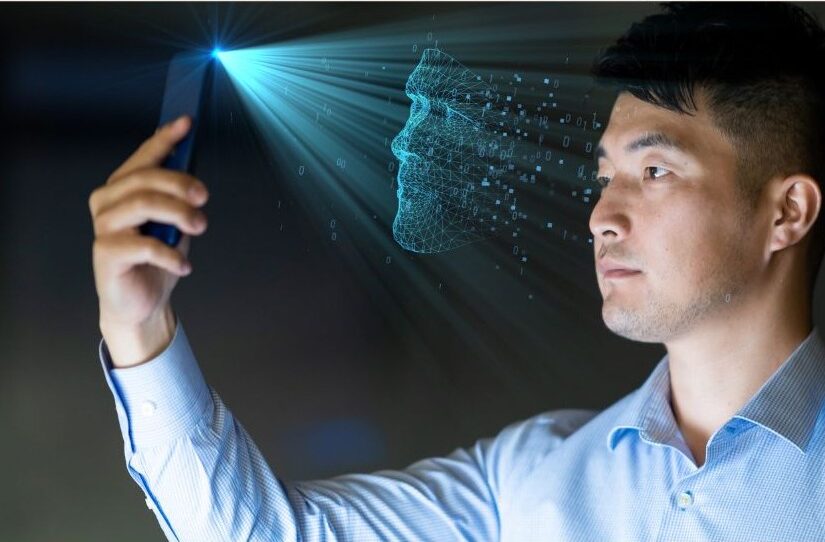
Face, voice and keystroke biometrics help establish a candidate’s legitimacy, while behavioural indicators identify fraudulent impersonation, and that assurance continues throughout the assessment. With these connected identity controls, we have seen a 160+ percent increase in confirmed impersonation cases, signalling a remarkable decrease in fraudsters’ success.
For remote assessments, second camera monitoring extends visibility beyond a webcam, helping identify external assistance, hidden devices and activity outside its field of view. Behavioural monitoring adds another layer, with AI-assisted technology identifying unusual activity in real time.
But this is not about replacing people with algorithms. Technology flags what looks unusual, but a trained proctor makes the call. This works – we’ve seen seven times more real-time security violations confirmed through AI-assisted flagging and human review.
The public interest
I am proud to work in the assessment sector because secure and trusted assessment helps people access education, employment and professional opportunities.
In sitting a university assessment, earning a professional certification, demonstrating competence to an employer, or even in applying for a visa, a candidate has invested time, effort and money to unlock new opportunities. Every fraudulent result weakens the value of a legitimate one – and that is unacceptable.
And it’s why the world of assessment demands continued investment – to protect genuine candidates and to root out fraud. We must acknowledge that when the stakes are high, bad actors will develop increasingly sophisticated methods of cheating, whether in person or remote. As threats evolve, we evolve to meet them.
We will keep investing, demonstrating that safeguards work, and adapting as threats change.