

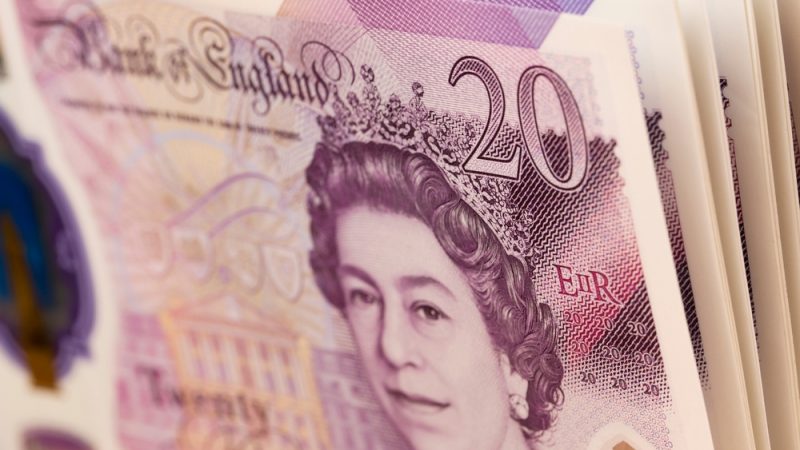

What’s the most valuable thing money can buy?
Increasingly, people in Britain fear the answer might be democracy itself. For a government elected on a mandate to restore trust in politics and deliver change, this ought to be a defining question.
New polling from Transparency International UK reveals that 84% of people believe wealthy individuals use political donations to advance their personal interests. This view is shared across almost every demographic and a majority of voters for every political party. It also echoes previous research from the Fairness Foundation, which found that 75% of people think the very rich have too much political sway.
READ MORE: Delivering in Government: your weekly round up of good news Labour stories
These perceptions are well-founded. As one of the few major democracies that hasn’t set a limit on political donations, Britain’s political parties are increasingly reliant on a small number of wealthy donors. Just this week news broke that the largest ever single donation from a living donor had been made to Reform UK – £9 million pounds from crypto investor Christopher Harborne. These kind of seven figure donations are becoming increasingly common in our politics. In 2023, two-thirds of all private donations to political parties came from just 19 sources. The absence of limits on what one person or organisation can gift those in power has provided a route for those with the deepest pockets to influence our politics at the highest level.
In recent years we have seen donors attending exclusive meetings with the Prime Minister and enjoying special access to Number 10. Mega donors have been appointed to the House of Lords – jobs for life to make our laws. These are not isolated incidents from a bygone era; they remain part of our politics today. The Times, for instance, recently reported Graham Edwards – who has donated over £5.87 million to the Conservative Party headquarters since August 2018 – has been nominated for a peerage. With a Labour government committed to abolishing hereditary peers and reforming the Lords, it should not allow the perception that wealthy donors can buy their way into the upper chamber.
A system in which large political donations secure access and influence in government can distort the policymaking process itself. Public policy decisions – from tax and public services, to climate and foreign affairs – distribute benefits and burdens across our communities. When wealthy donors receive benefits the rest of us do not, the difficult decisions our politicians are elected to make – that often involves winners and losers – risk being tipped in the favour of wealthy donors and against the common good.
Subscribe here to our daily newsletter roundup of Labour news, analysis and comment– and follow us on Bluesky, WhatsApp, X and Facebook.
The fairness of our democracy depends on political equality: we all have an equal stake in decisions made in our name, and we should therefore all have an equal say. The unfettered ability of the wealthy to bankroll our political parties violates that fundamental principle by giving disproportionate political access and influence to those with the deepest pockets. It simply isn’t fair.
The solution is straightforward. A donation cap – as recommended by the independent Hayden Phillips Review and the Committee on Standards in Public Life, and supported by a majority of the public – would reduce the risk of the wealthy buying access and influence and strengthen democratic accountability. We already know what happens without one. We’ve seen tennis matches with a sitting Prime Minister won with a £160,000 donation at a party fundraising ball and, more recently, meetings being held with the then leader of the opposition and their Shadow Chancellor weeks after they received a £150,000 donation to their party.
Combined with stronger transparency requirements for unincorporated associations, new controls on company donations and increased powers for the Electoral Commission, a donations cap can help limit the ability of money to distort political decisions.
This Government has already committed to taking steps to secure and strengthen our elections, which it set out in its Strategy for modern and secure elections and promises to enact through a new elections bill. Its plans to close dark money loopholes are welcome, but these reforms alone fall short of what’s needed to deliver the Government’s own aims of protecting, renewing and strengthening our democracy.
Share your thoughts. Contribute on this story or tell your own by writing to our Editor. The best letters every week will be published on the site. Find out how to get your letter published.
If we want a fair system where politicians are accountable to the public, not just those who can afford to bankroll them, and where integrity and transparency protect democratic decision-making, then the Government should introduce a donation cap in its elections bill. For Labour to deliver the change it was elected for – whether on tax, public services, or climate – it needs to ensure vested interests can’t buy their way to the front of the queue. Fair politics needs fair limits.
-
- SHARE: If you have anything to share that we should be looking into or publishing about this story – or any other topic involving Labour– contact us (strictly anonymously if you wish) at [email protected].
- SUBSCRIBE: Sign up to LabourList’s morning email here for the best briefing on everything Labour, every weekday morning.
- DONATE: If you value our work, please chip in a few pounds a week and become one of our supporters, helping sustain and expand our coverage.
- PARTNER: If you or your organisation might be interested in partnering with us on sponsored events or projects, email [email protected].
- ADVERTISE: If your organisation would like to advertise or run sponsored pieces on LabourList‘s daily newsletter or website, contact our exclusive ad partners Total Politics at [email protected].




More from LabourList
SPONSORED: ‘Why putting equine welfare first will secure the future of British racing’
‘Tax wealth, get growth’
Letters to the Editor – week ending 22 March 2026