


SPONSORED
Horseracing is my passion. It is a thrilling sport that I discovered as a kid when my dad, a Liverpool docker, would take me to Aintree and Haydock Park for evening race meetings.
I fell in love with it. That Aintree racecourse is in my Liverpool Walton constituency and is a source of huge pride for me.
Racing is an exhilarating sport, which is why more than five million of us go to a racecourse every year. There are 59 courses across Britain and, as well as being the country’s second-biggest sport, it provides 85,000 vital jobs, contributing more than £4bn to the UK economy.
It is a historic and vital part of our British way of life. That is why since becoming Chair of the Racing and Bloodstock APPG in 2024 I have worked hard alongside colleagues like Sally Jameson, who represents Doncaster Racecourse, to put racing firmly on the map both in Parliament and with our Government. We proudly supported the racing industry’s successful ‘Axe The Racing Tax’ campaign that saw the Chancellor carve out horserace betting from gambling tax increases at last year’s Budget.
Beyond the huge economic and cultural contribution that Aintree makes to Liverpool, it is a significant part of the community, maintaining strong relationships with Alder Hey children’s hospital, Park Palace Ponies and many educational establishments.
Playing host to some of the best jump racing in the world is something which brings pride to the whole of Liverpool.
It is that same pride which demands racing puts equine welfare first, because the sport we love only thrives when our horses do.
The industry works constantly to improve equine welfare standards and, since 2000, has spent more than £63 million on veterinary research and education, making it Britain’s biggest single investor in equine welfare.
This means that horseracing today is safer than ever. The number of horses falling has declined for the twentieth consecutive year to less than 2% of all runners. The fatal injury rate has decreased to 0.22% of nearly 90,000 yearly runners.
All racing takes place under the supervision of vets. Physical examinations before horses run are routine, allowing vets to detect any issues and provide immediate attention. If a horse falls or is injured during racing, vets respond in under 60 seconds and provide expert care.
Much of the recent equine welfare work carried out in racing has been overseen by the Horse Welfare Board, established in 2019 and independently chaired by Baroness Minette Batters. Its A Life Well Lived strategy is driving continuous improvements across areas including safety, wellbeing, aftercare, traceability and transparency.
Notable welfare initiatives include changing the markers on jumps on all racecourses from orange to white, based on research findings into equine vision, and switching from birch to padded hurdles which has reduced faller rates by 11%.
Strict new whip rules – heavily padded and cushioned these days – were introduced in 2023, limiting use to a maximum of six times in a flat race or seven times over jumps. Strict penalties are enforced for over-use.
Racing’s dedicated aftercare partner Retraining of Racehorses (RoR) has developed an active market for rehoming and retraining racehorses once racing is over. Thoroughbreds excel across a range of new careers from showjumping, eventing, and polo, through to leisure or companion horses. RoR also operates a vulnerable horse scheme to support any horse that falls on hard times.
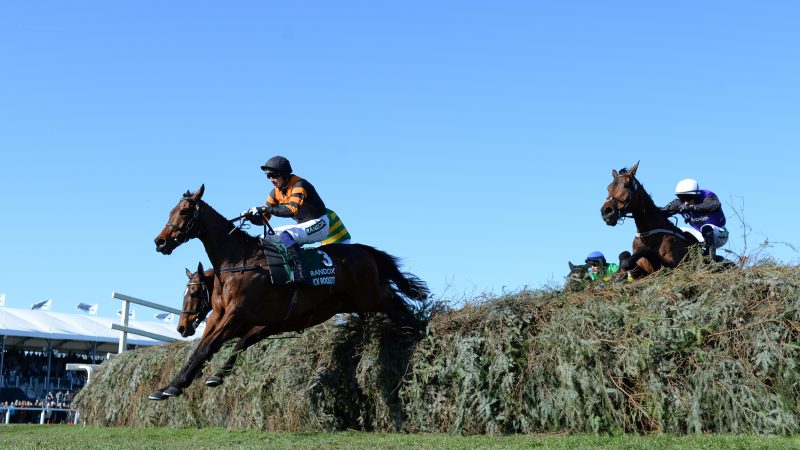
With the Grand National fast approaching, it is worth recognising the significant changes made to the Aintree course which have cut the faller rate by a third over the past 20 years. Alterations include reducing the maximum number of runners from 40 to 34, replacing the fences’ timber central frame with more forgiving plastic, and introducing state-of-the-art “misting” fans to effectively cool horses after they race.
Strict criteria are applied to horses and jockeys to qualify to compete, and every intended runner is assessed by an expert panel to ensure its suitability to race.
While you can never eliminate risk entirely from the Grand National, the sport is doing all it can to ensure the safety of horse and rider.
I encourage you to go racing or visit a training yard as part of National Racehorse Week to see the exceptional level of care that racehorses receive. Nothing is better than seeing high standards of welfare in action by meeting the professionals, asking questions, and judging for yourself. To find out more, visit HorsePWR, racing’s evidence-based website that presents the facts about welfare honestly, openly and transparently.
The Grand National is a national institution and part of Britain’s cultural fabric. If we keep welfare at the centre of every decision, we can safeguard it for generations to come.
-
- SHARE: If you have anything to share that we should be looking into or publishing about this story – or any other topic involving Labour– contact us (strictly anonymously if you wish) at [email protected].
- SUBSCRIBE: Sign up to LabourList’s morning email here for the best briefing on everything Labour, every weekday morning.
- DONATE: If you value our work, please chip in a few pounds a week and become one of our supporters, helping sustain and expand our coverage.
- PARTNER: If you or your organisation might be interested in partnering with us on sponsored events or projects, email [email protected].
- ADVERTISE: If your organisation would like to advertise or run sponsored pieces on LabourList‘s daily newsletter or website, contact our exclusive ad partners Total Politics at [email protected].



More from LabourList
‘Tax wealth, get growth’
Letters to the Editor – week ending 22 March 2026
Emily Thornberry Keir Hardie Lecture in full