

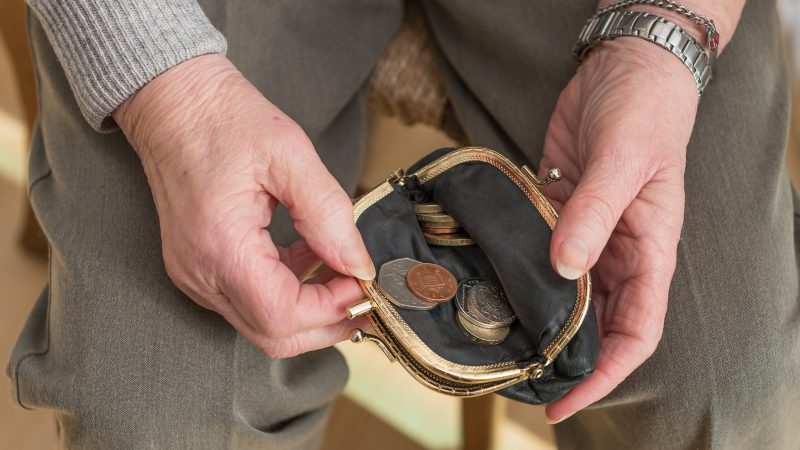

I’ve spent much of my working life trying to make the system fairer. Over 14 years as an MP and 23 years as Chief Executive of St Helens Citizens Advice, I saw the same pattern again and again: those with the lowest incomes were always charged the highest prices. Whether it was their electricity meters, high‑cost credit, or insurance, those on low incomes were forced to pay more for the essentials everyone needs.
When Wonga and BrightHouse came along, who were their customers? People who had no other option. I raised this in Parliament, but I remember talking to MPs who had never heard of them. If you have a comfortable life, if you’ve never been shut out of mainstream credit, then you don’t come across these companies. But thousands of families relied on them because the alternative was going without cookers, fridges or school uniforms.
READ MORE: ‘Labour must intervene to tackle the causes of the cost of living crisis’
The poverty premium isn’t an abstract concept for me. It’s the reality for people I’ve sat with for decades, people who brought their bills into the advice centre stuffed into carrier bags because the fear of opening them was too much. People who borrowed whatever they could at whatever rate they were offered because they felt they had no other choice. Decisions that look irrational from the outside make perfect sense when you’re trying to keep your family afloat.
The sad truth is poverty has been normalised in Britain. When I left the Citizens Advice in 2010, I had only ever referred one person to a food bank, and that was only because their benefits had gone missing in the post. Now, food banks have become part of daily life for working families.
Become a friend of LabourList and join our community. Our friends support our vital non-factional work and get access to exclusive content and events.
When you’re living on a low income it becomes a constant spinning of plates to make ends meet. And when one plate drops, an unexpected bill, a broken appliance, reduced hours at work, they all come crashing down. That kind of insecurity leaves people feeling like the system is stacked against them and that things can only get better if change is radical.
When people feel those in power don’t care about people like them, then it is easy for resentment to grow. Political parties previously considered fringe, or too far right, start to feel like a viable option, rather than a risk. Because for people struggling to keep their heads above water, maintaining the status quo itself is high risk.
Parties and politicians with divisive rhetoric come and go but to the everyday voter, practical steps that put money back in their pockets determine whether they feel like the Government is on their side. The rising cost of living is what people talk about on the doorstep. It’s what shaped my constituency surgeries more than any other issue. Addressing that reality and restoring a sense of hope that the future will be better for them and their families, is critical to combating the threat of Reform.
Subscribe here to our daily newsletter roundup of Labour news, analysis and comment– and follow us on TikTok, Bluesky, WhatsApp, X and Facebook. You can also write to our editor to share your thoughts on our stories and share your own. The best letters are published every Sunday.
This Government can achieve this by tackling the cost of living, especially for the increasing number of people finding themselves in financially vulnerable circumstances. Polling by Fair By Design has shown that people from all income groups want action on the cost of living and specifically, the poverty premium. Innately most people understand that it is unfair. Tackling the poverty premium speaks directly to that sense of injustice many disenfranchised former Labour voters feel.
This Labour Government has already taken several bold actions to make sure that people get a fair deal, but there is still a lot more to do to convince voters.



More from LabourList
Viktor Orbán’s fall shows authoritarianism is not inevitable
‘It’s going to be all about ground game’: Paul Sweeney on Scottish Labour’s fight for Glasgow
‘Protest is a precious democratic freedom – we should defend it’