

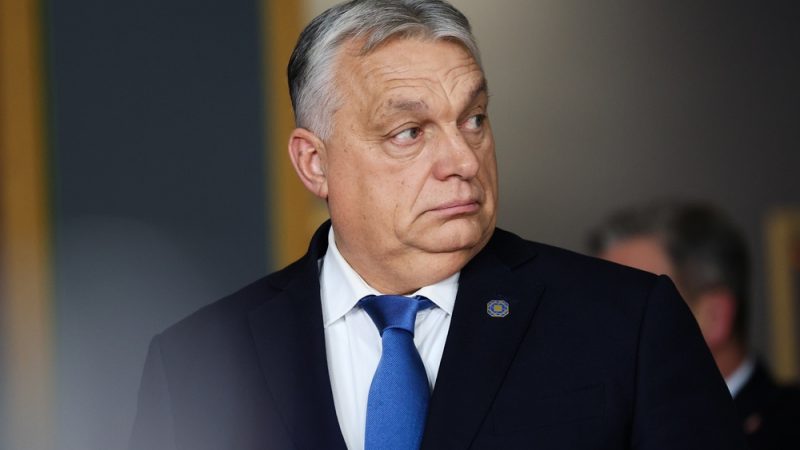

Some 23 years ago, Hungarians voted in a referendum to join the European Union, opening up a new chapter in the country’s history. Almost a quarter of a century later, voters have woken up to a new dawn, after bringing to an end an autocratic regime and choosing Europe over Russian influence.
Since 2010, Viktor Orbán has used his power in the Hungarian Parliament to put his thumb on the scale of democracy; packing courts with loyalists, having media organisations bought up by pro-government moguls, and amending the nation’s constitution at will – including controversial electoral reforms.
All of this makes yesterday’s landslide election result all the more extraordinary. Peter Magyar’s TISZA party overcame a system rigged against the opposition, used social media and traditional in-person rallies to reach the electorate and motivated voters to turnout in record numbers to eject Orban from power. The scale of TISZA’s victory, with a two-thirds ‘supermajority’ in the Hungarian parliament, will give Magyar the power to dismantle the systems built up by Orbán to serve himself and his allies.
It comes after a string of scandals that has beset Fidesz for several years, including a presidential pardoning of a paedophile, an attempt to ban Pride in Budapest, and even leaking information of private EU meetings to the Russians. All of which comes alongside a flagging economy due to an over-reliance on Russian oil and gas. On election day, Hungarians decided by a vast majority that enough is enough.
Orbán’s go-to campaign tactic, blaming Brussels, George Soros, Zelensky and Ukraine – anyone other than himself – was found wanting this time. In acts of desperation, Orbán attempted to tarnish the opposition leader by teasing a possible sex tape and even a suspected false flag attack on a gas pipeline, but the Hungarian people would not be swayed.
Become a friend of LabourList and join our community. Our friends support our vital non-factional work and get access to exclusive content and events.
For us on the centre-left, Magyar may not be the progressive messiah we would wish for.
Magyar was also once part of Fidesz, quitting the party in disgust over the paedophile scandal and becoming the torch bearer for the opposition. His public opposition to fast-tracking Ukraine’s bid for EU membership raises eyebrows in some European countries. However, his plans to impose a one percent wealth tax, boost healthcare spending, end Hungary’s reliance on Russian energy and restore the nation’s fractured relationship with the European Union amount to a seismic reset.
The Hungarian Socialist Party and several other parties opted to stand aside in favour of TISZA, while the progressive Democratic Coalition slumped to just one percent of the vote, losing all their seats.
Watching the results pour in last night with my Hungarian partner, who voted for the first time at this election, was deeply moving. Hungarians turned out in huge numbers, with Fidesz constituency after Fidesz constituency toppling like dominoes. They rejected, at long last, the politics of fear, division and hatred, in favour of the promise of a return to liberal democracy.
In effect, Hungarians rejected culture war politics, MAGA overtures and Russian influence in favour of a party that pledged to restore investment, rebalance tax so the burden falls on those with the broadest shoulders and making the basics, like the health service, work for people once again.
While Hungary and its political system is far from an analogue for Britain, it is a timely reminder that hard-right and far-right populism isn’t an inevitability, and that a message of hope and the promise of a better tomorrow can be an antidote to the hatred they offer.
So gratulálok, Hungary – and here’s to a new beginning for your democracy. The hard work to unpick 16 years of Fidesz corruption starts today.
Subscribe here to our daily newsletter roundup of Labour news, analysis and comment– and follow us on TikTok, Bluesky, WhatsApp, X and Facebook. You can also write to our editor to share your thoughts on our stories and share your own. The best letters are published every Sunday.



More from LabourList
‘It’s going to be all about ground game’: Paul Sweeney on Scottish Labour’s fight for Glasgow
‘Protest is a precious democratic freedom – we should defend it’
‘If Labour wants to take on populism, it must start with the cost of living’