


If I were to embark on a much-needed diet, I might decide to limit myself to one just biscuit a day. I’d tell everyone about my sacrifice to demonstrate my restraint and commitment to losing weight.
However, if, as a cunning wheeze, I adopted HMRC’s view that Jaffa Cakes were cakes not biscuits, and started scoffing them alongside my daily Hobnob, I would technically be sticking to my diet – but my waistline would tell a different story.
The same problem applies to the fiscal rules – the government’s stated aim of balancing day-to-day spending and reducing debt. A government can change definitions, alter measures or move deadlines – and still claim to be meeting its targets. That creates more room to spend on paper, but bond markets will see the bulging budgets.
Fiscal rules are the government’s argument that it can be trusted to pay its debts. Gilt yields are the market’s answer.
READ MORE: Andy Burnham: ‘The rewiring of Britain has begun’
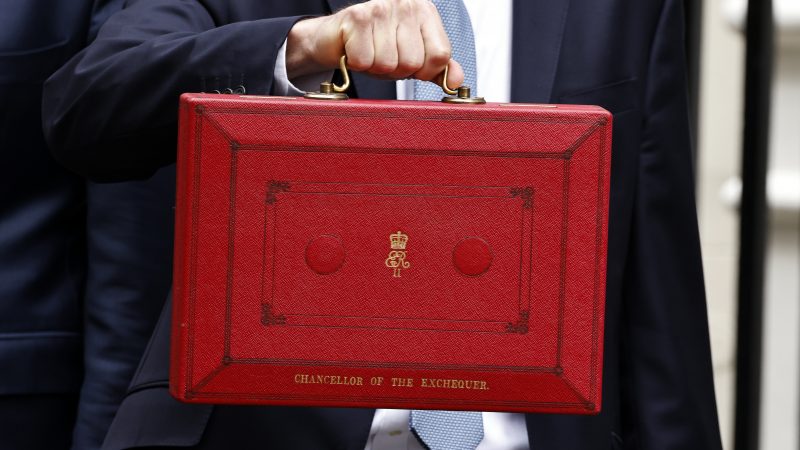
No sooner had John Healey announced the date of the budget, than speculation began about how he could change the rules to spend more money. Labour will not establish fiscal credibility through clever calculations. It will do so by showing how we will manage the largest long-term pressures on public spending.
Last year, when the same questions were being asked, I argued that the wording of the rules mattered less than whether investors believed the government could control borrowing. Today I will suggest how Healey can show them that he can. Investors will place greater weight on a believable plan to pay for future spending than on meeting our self-imposed rules.
The scale of our debt makes that credibility increasingly important. When George Osborne became Chancellor in 2010, government debt was around £1 trillion (65% of GDP). When Labour returned to power 14 years later, national debt had trebled, reaching almost £3 trillion, nearly 100% of GDP.
Of course, gilt yields and borrowing costs are also affected by inflation, interest rates and global conditions. But the scale of debt amplifies those costs to the public purse.
Last year, we spent £110 billion servicing that debt, more than 8% of total public spending – more than we spend on schools and the police combined.
It may sound as though I’m about to suggest privatising the NHS or selling Cornwall to get debt down. But to go back to my original point, what matters to bond investors is not the level of debt but whether they believe they will get their money back. When the Tories trebled the national debt, markets didn’t stop lending to them, they just charged more.
The best way to reassure investors that we will repay our debts is to show how we will cover rising costs.
If people know anything about Andy Burnham, besides his fondness for the Stone Roses and pub snacks, it’s his commitment to reforming our care system. An ageing population is pushing costs upwards, while oppositions shouting “death tax” have left successive governments nervous of change.
Burnham has put social care reform back on the agenda. The budget should give that commitment financial weight: a legislative timetable, clear funding options, and a durable settlement before the next election. That would show investors that the Government was managing one of its largest long-term spending pressures.
Last June’s welfare rebellion demonstrated the political difficulty of reform and the consequences of approaching it solely as a savings exercise.
Alan Milburn is reviewing why so many young people become detached from education and employment, often through ill health. The Government should commit to reforms supported by credible evidence, and publish their expected long-term fiscal effects.
Some measures will cost money initially, but preventing a generation from permanent exclusion from the labour market will save far more. A costed plan to reduce long-term economic inactivity will show Labour’s commitment to reduce future spending and increase tax revenues.
Finally, the pension triple lock. This policy improves pensioners’ living standards but raises costs year-on-year. Even its advocates accept it cannot continue indefinitely.
At the budget, the Chancellor should tell the public, and watching markets, at what level the triple lock will have restored the value of the pension, and what will replace it when it does. Defining its replacement would turn an open-ended promise into a predictable long-term commitment.
Showing how Labour will manage future spending is the best way to avoid being “in hock to the bond markets”.
Fiscal credibility comes from confronting tomorrow’s spending pressures, not adjusting how we measure them. A credible long-term plan would strengthen investor confidence, reduce borrowing costs, and let us invest in public services rather than servicing old debt.
Ultimately, the bond market wants to know that Labour has a plan for what is tucked away inside the biscuit tin, and that it isn’t just more Jaffa Cakes.
Become a friend of LabourList and join our community. Our friends support our vital non-factional work and get access to exclusive content and events.
Subscribe here to our daily newsletter roundup of Labour news, analysis and comment– and follow us on TikTok, Bluesky, WhatsApp, X and Facebook. You can also write to our editor to share your thoughts on our stories and share your own. The best letters are published every Sunday.
-
- SHARE: If you have anything to share that we should be looking into or publishing about this story – or any other topic involving Labour– contact us (strictly anonymously if you wish) at [email protected].
- SUBSCRIBE: Sign up to LabourList’s morning email here for the best briefing on everything Labour, every weekday morning.
- BECOME A FRIEND: If you enjoyed this, why not consider becoming a Friend of LabourList? Help sustain our journalism, and of course Friends do get benefits…
- PARTNER: If you or your organisation might be interested in partnering with us on sponsored events or projects, email [email protected].
- ADVERTISE: If your organisation would like to advertise or run sponsored pieces on LabourList‘s daily newsletter or website, contact our exclusive ad partners Total Politics at [email protected].



More from LabourList
Healey’s pre-Budget headache
‘Public water, local power’
SPONSORED: ‘Partnership is the key to making devolution deliver Northern growth and UK prosperity’