
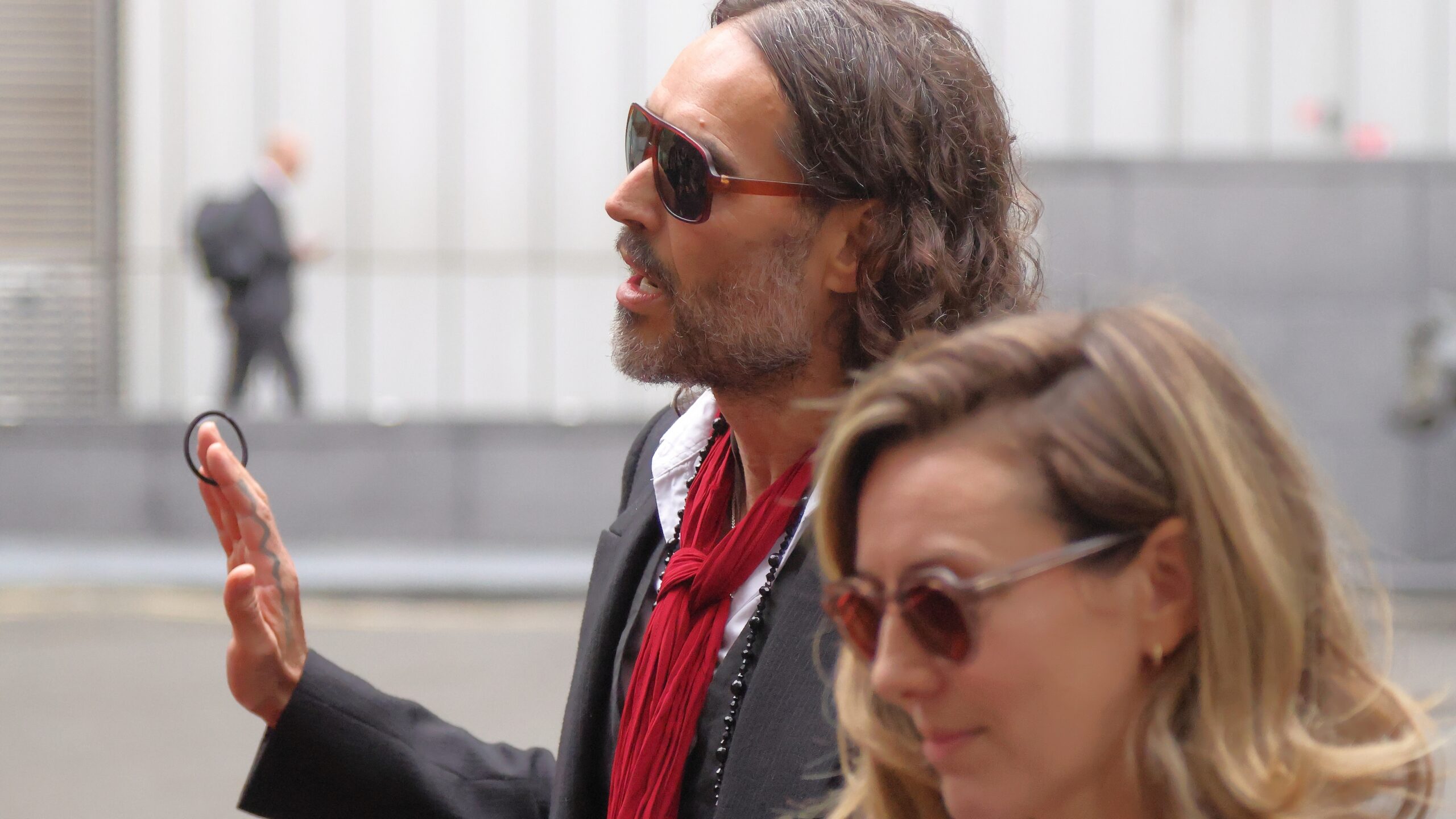
Russell Brand has now been found guilty of rape and sexual assault. He will be sentenced today and is expected to face time in prison.
Few have clean hands
Brand’s individual guilt has led to questions across society about how we treat famous and charismatic men in all walks of life, but particularly in those where the balance of power can be considerable. Labour politics is one of these.
Few hands in the Labour Party are clean. Mine certainly aren’t. In 2015, when Brand endorsed the Labour Party I wrote a piece for LabourList welcoming it. At the time I had no idea about what Brand was like – though, frankly, the Sachsgate scandal (seven years before) should have given me pause. I’ve never met Brand and never really wanted to. I was not a fan and didn’t find his comedy particularly compelling. But I said what I said in 2015 and it’s important that I show my own feet of clay when I go on to speak of issues like this.
There is always a tension between the wrongs of individuals and the organisations in which they rise to prominence. Brand’s crimes will be used by those on the right to bash the BBC (where he worked for a period) and the Labour Party. They will be used on the left to bash the online right which Brand moved to as a safe haven during Covid with his denialism and later embrace of much of right wing talking points and politicians.
Equally, celebrity endorsements always come with complexity. Celebrities are not bound by collective responsibility. They will inevitably disagree with the party they have supported over some issues, as do all members of that party. But when they do it becomes headline news.
The Labour Party and labour movement have long had their own issues around sexual misconduct and the abuses of power. There have been reports and recommendations (some of which have been taken up).
Culture change not factional wars
How should we all respond to this? Our first instinct is, sadly, probably the wrong one. I’ve seen many people try to make this a factional issue or focus their ire on specific (and usually female) journalists and campaigners who had previously campaigned or worked with Brand.
But fundamentally the response to Brand should not be focused on the individuals whose orbit he moved in but on the culture that existed around him and how much it has and has not changed. The response should focus on Brand’s victims and how a different culture would have better protected them. That is what a survivor-focused response should look like.
Abusers find ways to abuse whether that be in the shadows or through the weird plain sight protection of celebrity. But lessons can and should be learned every time a case such as this comes to light. Questions raised should be about how to work in the grey areas between ‘gossip’, ‘common knowledge’ and the important legal concept of ‘innocent until proven guilty’.
Real and hard work must be done to ensure that culture promotes speaking up and punishes hushing up. That is the change that we have been talking about particularly since the call from Giselle Pelicot for shame to change sides. This shame should fundamentally be on those who abuse. But it must also fall on anyone who has decided that it is easier, more politically advantageous or better for themselves to promote silence. It must become more difficult to be the person who suggests something is swept under the carpet for convenience than to be the person raising the inconvenient questions.
We can all learn from this moment. We all should learn from this moment. Whether we will learn from this moment is now up to all of us.