

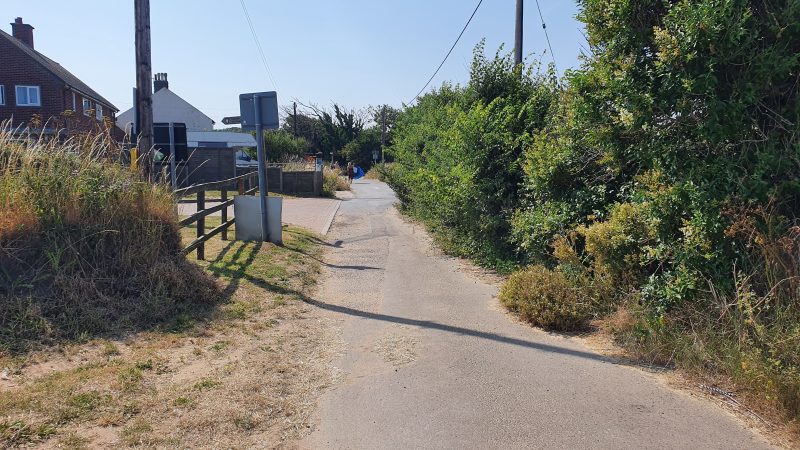

One of the great joys of being a rural MP is spending a lot of time on the road. Winding lanes, sudden bends, villages connected by hope and a passing place.
Travelling around South Norfolk for visits, meetings, surgeries and coffee mornings means I know our roads well. My car knows them even better. Rural motoring is scenic, character building and financially devastating for suspension systems everywhere.
These journeys take you through the most beautiful countryside in the country (yes, East Anglia has the best countryside I won’t hear otherwise!). They also take you over potholes large enough to have postcodes, past verges that gently nudge you towards a hedge, and around bends that appear to exist purely to test your reflexes.
READ MORE: ‘Standing firm for our farmers: why Britain’s ‘red lines’ in trade must be the standard for all’
But in rural areas, cars are not a luxury. With buses that run rarely and unpredictably, and villages separated by long twisting roads and optimistic footpaths, driving is simply part of daily life. Which makes the condition of rural roads not just inconvenient but dangerous.
Too many of these roads are poorly maintained, badly lit and full of blind bends. Add in a small number of drivers who treat country lanes like a racetrack and using rural roads can feel like a leap of faith. Sadly, the risk is very real.
In 2024 alone, eight people were killed on roads in my South Norfolk constituency. Alongside them were forty-five serious injuries and more than two hundred people hurt. Each number represents a real person, a family and a community changed forever. And for every recorded collision, there are countless near misses where people get home by luck rather than design.
Subscribe here to our daily newsletter roundup of Labour news, analysis and comment– and follow us on Bluesky, WhatsApp, X and Facebook.
Anyone living or working in rural Britain will recognise this picture. This is not a South Norfolk problem. It is a rural road safety problem.
At a time when politics can feel distant from everyday life, this is exactly the sort of issue we should be focusing on. Few things matter more to rural residents than being able to travel safely on the roads they use every single day.
The good news is that we now have a Labour Government taking road safety seriously. The new Road Safety Strategy, with better driver training, clearer guidance on speed limits and safer technology, is exactly the sort of practical action that saves lives. This is government doing what it should do.
But national ambition counts for very little if it is not matched locally. Too often, it is not.
In my area, Conservative run Norfolk County Council is failing to act.
Forty miles an hour speed limits outside schools; children walking to school along narrow unlit roads at national speed limit; blind bends with no markings; potholes that could comfortably swallow a wheel; overgrown hedges narrowing already tight lanes.
Apparently, this all passes as acceptable.
As one constituent put it to me, it feels like no one acts until someone dies. That is not exaggeration. That is fear.
Local authorities must be held accountable for these failures. And for Labour MPs looking to refocus politics on what really matters, rural road safety is a powerful place to start. It speaks directly to Labour values. Protecting life. Supporting working people. Strengthening communities. Making sure rural areas are not treated as an afterthought.
Share your thoughts. Contribute on this story or tell your own by writing to our Editor. The best letters every week will be published on the site. Find out how to get your letter published.
The solution does not require reinvention. My Rural Road Safety campaign started with listening. A constituency wide survey. Conversations with residents. Evidence from local schools about how road safety affects children and families. This week, I am publishing those findings in a new report, Safer Journeys: Protecting Lives on Rural Roads, identifying ten danger hotspots where action is urgently needed.
If we want to show politics at its best, this is how. Focus on what people live with every day. Call out failure where it exists. And make sure that getting home safely on a rural road is never a matter of luck or the strength of your shock absorbers.
-
- SHARE: If you have anything to share that we should be looking into or publishing about this story – or any other topic involving Labour– contact us (strictly anonymously if you wish) at [email protected].
- SUBSCRIBE: Sign up to LabourList’s morning email here for the best briefing on everything Labour, every weekday morning.
- DONATE: If you value our work, please chip in a few pounds a week and become one of our supporters, helping sustain and expand our coverage.
- PARTNER: If you or your organisation might be interested in partnering with us on sponsored events or projects, email [email protected].
- ADVERTISE: If your organisation would like to advertise or run sponsored pieces on LabourList‘s daily newsletter or website, contact our exclusive ad partners Total Politics at [email protected].



More from LabourList
‘The politics of the Gambling Levy money’
Starmer attempts to reassure Britons amid fears of inflation spike, but did he go far enough?
‘From referee to coach – Labour needs a new theory of what it’s for’