



There’s a hole in the tarpaulin tent, letting in the winter breeze and rumbling of HGVs from the main road just metres away.
The homeless migrants’ makeshift camp sits alongside a major trunk road, used by lorries ferrying crops cultivated by workers just like them.
They were farm labourers once, too. But bosses siphoned off so much pay for transport to work, accommodation, bribes and travel costs from Eastern Europe, and gave so few hours, they fell into impossible debt.
“They promised me a permanent job. When I got paid…there was just 3p because I was in debt,” one man tells journalists.
Eviction followed, and here they were. “These people, they have discarded me.”
They weren’t alone. Many more fell victim to a “widespread network of exploitation” exposed by the BBC in the Fens, the Eastern England region whose fields and factories supply major supermarkets.
That scandal emerged a decade ago. The gangmasters responsible, as employment agencies in agriculture and food are known, eventually faced justice.
Exploitation started on New Labour’s watch
Yet the abuse of migrant workers is still rife in Labour’s Britain today. Current Labour policies do nowhere near enough to tackle it. Some will worsen it – as we’ll explore shortly.
In the Fens, a charity warned that other exploitative gangmasters would quickly filled the void left by those convicted.
It’s exploitation few Brits see, as it’s in jobs few Brits want. But in other ways abuses have been hiding in plain sight. Start listening, and over the years the sporadic drip of revelations becomes a pattern: car washes, construction sites and care homes; nail bars, meat plants and fields. In agriculture, experts have sounded the alarm since the 1980s.
READ MORE: ‘Blair had a strategy: can Labour find one now?’
New Labour itself estimated one in five gangmasters were committing a “wide range of offences” in the 1990s, and tried to crack down.
But the Fens case above started on its watch. The “slave-drivers” operated illegally for four years before facing justice.
A new dawn under Labour
Now it’s Labour’s problem again. Weeks into office, its own migration advisory committee (MAC) warned some farm workers still faced large debts, harassment or discrimination.
A year on, the public accounts committee reminded government again that migrants’ problems go beyond agriculture: “There is widespread evidence of workers suffering debt bondage, working excessive hours and exploitative conditions.”
I’ve long hoped the party of labour, and an ex-prosecutor committed to “working people”, might end such labour scandals.
The initial signs were good. Some sectors face more scrutiny and enforcement. Merging authorities into a stronger labour rights watchdog should tackle regulatory silos that hindered past crackdowns. Employment rights legislation marks huge progress, from new unfair dismissal and sick pay rights to empowering unions in care and beyond.
Government ignoring its advisers’ calls for action
But inexplicably last month, the government revealed it won’t adopt several key reforms the MAC recommended. It rejected guaranteeing seasonal workers two months’ pay – a powerful bulwark against debt bondage over travel and visa costs. Some workers in agriculture and care pay thousands.
Government suggested the industry “carefully consider” how employers could fund travel, but with no stick. Why would supermarkets, farms or agencies “carefully consider” imposing new costs on customers or shareholders?
Government virtually ignored other detailed proposals on tightening workers’ rights and improving enforcement and awareness, largely just restating commitment to a new watchdog.
Yet this inertia prompted minimal media coverage. Dogged reporters at The Bureau of Investigative Journalism were the exception. An anti-exploitation charity told them Labour’s response leaves the risks migrants face migrants “largely untouched”.
Ambition exceeds cash at the labour rights watchdog
Crucially, the government also hasn’t promised its new Fair Work Agency the funding boost needed to tackle abuses economy-wide.
Britain already has fewer inspectors than most similar countries. Last year the current Gangmasters and Labour Abuse Authority was actually cutting spending, reducing legal, interpreter and other services to curb a budget deficit. Its board fear staff losses risk denting performance given high workloads already, according to official documents seen by LabourList.
READ MORE: Fair pay agreement for care: The most radical policy no-one’s heard of
Meanwhile employment tribunal backlogs are growing, not falling. Claimants still get neither legal aid nor guarantee of damages even in victory.
Employment rights legislation will swell workloads further for the FWA and tribunals, potentially limiting resources for tougher crackdowns in high-risk sectors many migrants work in.
Sponsored migrants face ‘inherent imbalance of power’
There’s a more entrenched, thorny problem fuelling exploitation, though – one better policing and justice alone can’t fix.
Risks are high in certain industries precisely because so many migrants work in them.
Many newer arrivals lack the language, knowledge or networks to uphold or even understand their rights. Many lack immediate British colleagues who could help, directly or indirectly by standing up for their own rights in workplaces and polling booths.
Subscribe here to our daily newsletter roundup of Labour news, analysis and comment– and follow us on TikTok, Bluesky, WhatsApp, X and Facebook.
Pay and conditions may be dismal largely because many migrant workers will temporarily endure what Brits won’t – often as pay still outstrips origin countries, rather than their inherent ’migrant work ethic’.
Crucially, many sponsored workers are trapped workers by definition. Complain about anything and they may lose not only their job, but any earnings potential or life they’ve built in Britain. Their families may risk deportation too.
A government-commissioned review of care visas heard evidence that being “tied” to employers “inhibited [workers] from raising issues about their pay and conditions”.
The MAC said migrant farm workers, similarly tied to gangmasters for visas, highlighted similar fears, and even explicit alleged threats of deportation.
There is, in officials’ words, an “inherent imbalance of power”.
How Labour is worsening precarity
Of course, not all migrant workers face this bind. Sponsored migrants in high-paid jobs will enjoy better conditions. Those in demand globally have greater bargaining power.
Still, this employer-dependency means one vet I know tolerated grim working conditions. A City worker told me migrant colleagues tolerate earning far less doing the same job.
Many who arrived longer ago or via various specific routes do have permanent residency, and thus bargaining power.
But this is the rub. One major Labour policy will push many more migrants into precarity, by radically increasing employer dependency.
Immigration reform means workers face up to a decade longer tied to employers on temporary visas before they can seek settled status.
Charities rightly warn this increases exploitation risks. That’s if migrants can keep sponsored jobs long enough. If not, some will remain illegally, further heightening risks, if not public sympathy.
Reforms also erode migrants’ incentive and ability to integrate, sabotaging a nominal Labour priority that should be central post-Brexit.
The progressive way to cut exploitation
What’s to be done?
One, rethink settlement reform, as 50 Labour MPs recently urged.
Two, turbo-charge enforcement.
Three, use migration policy more ambitiously as a labour rights lever. Salary thresholds and the immigration skills charges have been hiked, but why not only let employers recruit overseas if they engage seriously with unions? Or accept other rights improvements, like Canada capping rent costs for farm workers. Or foot the bill for rights enforcement.
Academic Manoj Dias-Abey recently argued this could “drive broader transformations in the labour market”.
Accept higher standards means higher costs
Fourth, hold firm, even if fairer treatment means everyone paying fairer prices for what migrants produce. Yes, the transition will hurt.
But introducing minimum wages and holiday pay, and banning slave and child labour, all once hurt employers. We just decided businesses reliant on exploitation shouldn’t do business.
Normally if a firm complains no-one wants their products, many would say change your product or pricing. Yet when firms complain no-one wants their jobs, we roll out the special red visa carpet. Ex-MAC chair Alan Manning’s latest book lambasts such strange double standards.
Transitional support and occasional special treatment for certain sectors may be necessary, but should be the exception.
Accept pros and cons of lower immigration
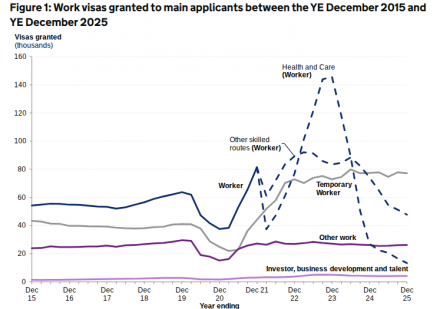
Fifth, hold firm when reducing exploitation reduces migration, as salary thresholds already are.
Resist firms or NGOs demanding more work routes. Celebrate employers treating migrants actually here as fairly as locals, making tough jobs tolerable enough that locals want them.
Help fix three chronic British problems: youth unemployment, poor jobs and poor productivity.
True, free movement is an alternative answer to both employer dependence and demand.
But Brexit suggests it’s politically toxic. Logic suggests more migrants means more bargaining power for employers. Manning notes pay plummeted when Sweden liberalised migration. Only the minimum wage stopped a similar collapse here.
You can enable more migration, empower more migrants or enjoy the cheap fruit of cheap labour. You can’t do all three.
Anyone debating immigration should admit those trade-offs, and put their cards on the table. I’ve put mine.
Share your thoughts. Contribute on this story or tell your own by writing to our Editor. The best letters every week will be published on the site. Find out how to get your letter published.
-
- SHARE: If you have anything to share that we should be looking into or publishing about this story – or any other topic involving Labour– contact us (strictly anonymously if you wish) at [email protected].
- SUBSCRIBE: Sign up to LabourList’s morning email here for the best briefing on everything Labour, every weekday morning.
- DONATE: If you value our work, please chip in a few pounds a week and become one of our supporters, helping sustain and expand our coverage.
- PARTNER: If you or your organisation might be interested in partnering with us on sponsored events or projects, email [email protected].
- ADVERTISE: If your organisation would like to advertise or run sponsored pieces on LabourList‘s daily newsletter or website, contact our exclusive ad partners Total Politics at [email protected].



More from LabourList
Labour launch major attack ad campaign exposing Reform’s record
‘It is time for the Lords Spiritual to leave the House of Lords’
‘MattGPT and Me’