

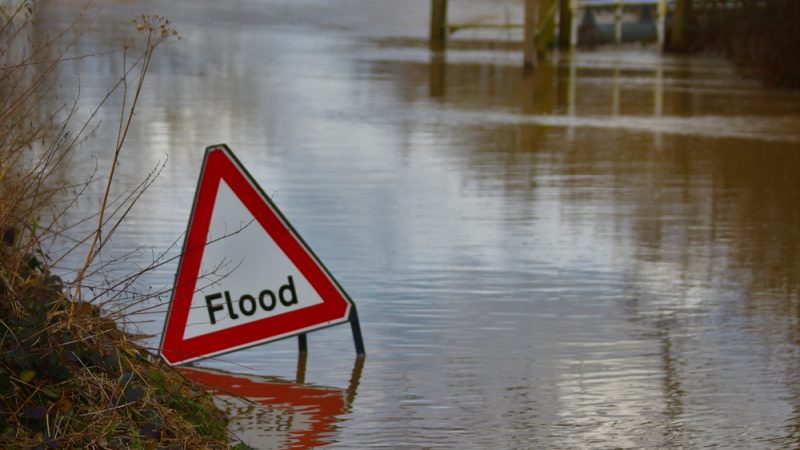

In October 2024, something unexpected and unsettling happened in Spain. Devastating floods tore through the Valencia region. That was expected, with climate change supercharging the risk. It’s what happened next that was shocking: there was a political backlash against climate action.
The floods killed hundreds and caused billions in damage. The authorities bungled the emergency response, sparking fierce public anger. This was exploited by the far right Vox party for political gain. For years, Vox had been undermining faith in institutions, using misinformation and conspiracy theories to drive political polarisation. Its leader built on this foundation when blaming the floods on ‘climate fanaticism’, falsely claiming that environmentalists’ obsession with protecting river ecosystems was instead what super-charged the floods.
In turn, polls recorded an increase in support for Vox. Vox advocates against policies to decarbonise and improve climate adaptation. So, their greater influence will make the people of Valencia less safe.
Climate impacts have led to a series of events that have undermined climate action. This is a horrifying inversion of what we might hope: that worsening climate shocks will spur a virtuous cycle of wake-up calls that reinforce climate action. Trump did something similar in the wake of the 2025 Los Angeles wildfires, falsely blaming their severity not on the clear climate signal but on environmental policies that protected rivers holding endangered fish species, limiting the water that could be extracted by the fire services.
READ MORE: ‘On energy, politicians should be on the side of bill payers, not billionaires’
So, as the world heads beyond 1.5C of global heating and climate shocks escalate, there’s growing evidence that the opposite can also happen: that anti-climate forces will capitalise on the disarray.
This isn’t a challenge isolated to Spain or the US. Today, the UK government’s independent climate advisors – the Climate Change Committee – has published its latest assessment of the risks posed by climate change to the UK.
It shows a rapidly degrading situation. Climate impacts are already severe, like the weather extremes that contributed to England having three of the five worst harvests on record in recent years. The situation is guaranteed to get far worse: the Committee concludes that ‘as further climate change is inevitable, we will continue to experience previously unprecedented events’.
This means the UK could face severe situations akin to what happened in Spain. Like then, a disastrous episode could end up boosting regressive, anti-climate politics – not benefiting pro-climate action.
For example, come autumn, three threats could converge. Firstly, the widespread impacts of war in the Middle East will increasingly come to bear, including the translation of high fertiliser prices and energy costs into smaller harvests and so higher food prices.
Secondly, the war’s effects are coming after years of climate-driven extreme weather eroding the resilience of farmers, not just in the UK but in countries from which we import, particularly in Europe, where farmers are assailed by eroding yields, higher costs, and predatory buying practices.
Thirdly, by the autumn, the effects of the upcoming El Niño will be manifesting. El Niño is a natural global climate cycle that brings warmer conditions every few years. Recently, this natural cycle has been supercharged by the unnatural heating caused by fossil pollution. There is growing evidence that this El Niño could be one of the most extreme in recorded history. This will bring savage weather extremes to major food growing regions, further shocking the global food system.
The confluence of these problems could see the UK experience a disruptive uptick in inflation. This would happen alongside other climate-driven shocks, like wildfires and floods. Like in Valencia, climate change wouldn’t be the only factor – the floods were partly made worse by ill-planned urbanisation and a poor emergency response – but would supercharge the situation.
What would be the impact on climate politics? Recent inflationary shocks offer a cautionary tale. The food and energy price shocks of 2022/23 were driven by a cause of climate change (fossil fuels) and its consequences (extreme weather degrading harvests). Yet cost of living pressures were falsely represented as partly resulting from costly climate policies, with protests by farmers often being exploited by anti-climate politicians.
Become a friend of LabourList and join our community. Our friends support our vital non-factional work and get access to exclusive content and events.
Amid an inflationary shock, it might be hard to keep political attention on its complex causes; of the connections between fossil fuels, war, El Niño, and the cost of living. A far simpler argument is already being used by Reform politicians: that the onerous costs of climate policy should be relaxed to relieve cost of living pressures. This argument is disingenuous, misdirecting attention from how inflation is being driven by a dependence on fossil fuels and fossil-driven climate shocks. But like in Spain, it could be effective.
This is called ‘derailment risk’: climate consequences can drive regressive politics that undermine climate action. This makes climate risk even worse, making us even more unsafe and the world less stable, which creates more opportunity for regressive politics. That’s a doom loop.
The UK is vulnerable to derailment risk because of low levels of climate adaptation, as the Climate Change Committee has concluded today: the ‘UK was built for a climate that no longer exists today’. This is the latest in an increasingly stern series of warnings going back years. Poor adaptation means climate shocks are more disruptive and so create more of the conditions to be exploited by anti-climate politicians.
Derailment risk is a key reason why it is imperative that the government prioritise closing the growing gap between where adaptation is and where it needs to be. Thankfully, adaptation investments have huge secondary benefits. For example, insulating buildings against weather heat extremes also reduces bills, improves energy security, and lowers carbon emissions. Rarely in policymaking do you get a win-win-win-win like this.
But derailment risk shows that our conception of adaptation is too limited. Hardier infrastructure and farming can only take us so far. Resilience to climate change means tackling the root causes of vulnerability and the factors that drive polarisation and mistrust, including inequality, poverty, and exclusion. Tackling these ills should be a progressive staple.
Subscribe here to our daily newsletter roundup of Labour news, analysis and comment– and follow us on TikTok, Bluesky, WhatsApp, X and Facebook. You can also write to our editor to share your thoughts on our stories and share your own. The best letters are published every Sunday.
It means that our conceptions of being ‘adapted’ or ‘prepared’ for escalating climate consequences should include access to public services, repairing trust in government and expanding democratisation, and protecting the stability and security of our key systems, from food to finance. Otherwise, there will not just be more pain and suffering, but a proliferation of the conditions that anti-climate forces could exploit to derail action, leading us further down the highway to climate hell.
To overcome this, progressives should focus more on adaptation and be ready to win the narrative during climate tragedies. The recent successes of regressive forces is a stark warning.
-
- SHARE: If you have anything to share that we should be looking into or publishing about this story – or any other topic involving Labour– contact us (strictly anonymously if you wish) at [email protected].
- SUBSCRIBE: Sign up to LabourList’s morning email here for the best briefing on everything Labour, every weekday morning.
- BECOME A FRIEND: If you enjoyed this, why not consider becoming a Friend of LabourList? Help sustain our journalism, and of course Friends do get benefits…
- PARTNER: If you or your organisation might be interested in partnering with us on sponsored events or projects, email [email protected].
- ADVERTISE: If your organisation would like to advertise or run sponsored pieces on LabourList‘s daily newsletter or website, contact our exclusive ad partners Total Politics at [email protected].



More from LabourList
‘Why Iceland’s EU referendum matters to British progressives’
‘Beyond recruitment: a new fostering plan that offers real hope’
Reform’s rotten culture is exposed