

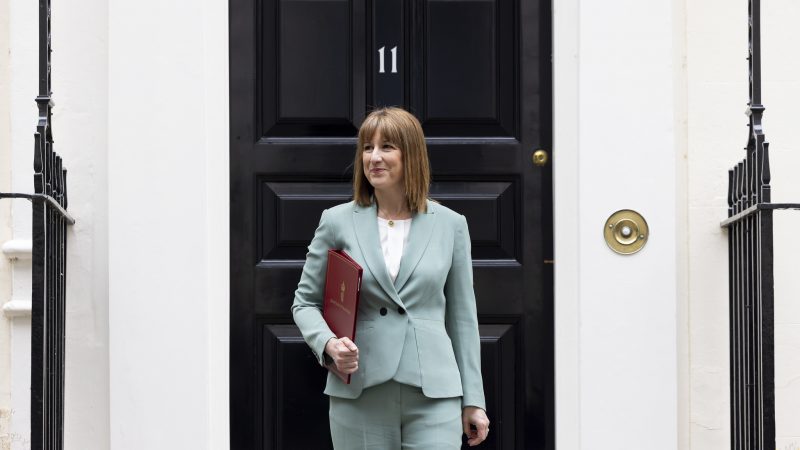

Last week, at a meeting of the Women’s Parliamentary Labour Party, Chancellor Rachel Reeves highlighted the change this Labour Government’s decisions have brought about that are helping improve women’s lives across the country.
Women’s weekly earnings are up by £453 in annual terms, compared to an increase of £395 for men.
The annual average female employment rate is at a record high in the year (to Q1 2026) at 72.3%, meaning there are over 430,000 more women in work since the start of this Parliament.
Furthermore, expanded childcare entitlements for young children are estimated to enable 1.5m women who are already in work to increase their hours.
READ MORE: ‘Building an NHS that is truly fit for the future’
This Government has delivered more concrete, structural change for women in under two years than the country has seen in a generation, with actual legislative and policy change that is already reshaping women’s lives.
The structure of the British labour market has been built around assumptions that do not reflect how women work or what women need. The Employment Rights Bill directly challenges those assumptions with the most significant overhaul of workers’ rights in decades.
Day-one unfair dismissal rights remove a two-year qualifying period that had previously left women returning from career breaks, or moving between jobs around childcare, exposed and unprotected.
We have also strengthened redundancy protections for pregnant women and new mothers, closing loopholes that employers have exploited for years. By making flexible working the default we have fundamentally shifted the power dynamic in workplaces that have often treated women’s working patterns as an inconvenience.
Become a friend of LabourList and join our community. Our friends support our vital non-factional work and get access to exclusive content and events.
The uprating of the National Living Wage has a direct benefit for women, who make up the majority of workers in low-paid sectors such as retail, hospitality and social care. Every increase in the wage floor is, in practice, a pay rise skewed towards women.
Childcare costs have long priced women out of the workforce, that’s why our offer of 30 hours free childcare directly improves women’s ability to work and earn.
More broadly, reforms to the carer’s allowance earnings threshold recognises that the majority of unpaid carers are women and addresses a poverty trap that has penalised women for doing work that holds families and communities together.
Labour’s target of halving violence against women and girls within a decade is backed with concrete measures. The decisions to embed domestic abuse specialists in GP surgeries and A&E departments will enable social services and the police to identify more cases of domestic abuse and allow them to intervene faster. Women in abusive situations often reach healthcare before they reach the police, if they reach the police at all. Meeting them where they are, rather than expecting them to navigate a system designed around reporting, is a meaningful shift in approach.
Our economy, healthcare system, labour market and institutional structures have discriminated against women for generations, and rebalancing that is long overdue. We have much work to do, but this Labour government has done more in the last two years than the previous government did in 14 years.
Subscribe here to our daily newsletter roundup of Labour news, analysis and comment– and follow us on TikTok, Bluesky, WhatsApp, X and Facebook. You can also write to our editor to share your thoughts on our stories and share your own. The best letters are published every Sunday.
-
- SHARE: If you have anything to share that we should be looking into or publishing about this story – or any other topic involving Labour– contact us (strictly anonymously if you wish) at [email protected].
- SUBSCRIBE: Sign up to LabourList’s morning email here for the best briefing on everything Labour, every weekday morning.
- BECOME A FRIEND: If you enjoyed this, why not consider becoming a Friend of LabourList? Help sustain our journalism, and of course Friends do get benefits…
- PARTNER: If you or your organisation might be interested in partnering with us on sponsored events or projects, email [email protected].
- ADVERTISE: If your organisation would like to advertise or run sponsored pieces on LabourList‘s daily newsletter or website, contact our exclusive ad partners Total Politics at [email protected].



More from LabourList
Rotten to the core? Reform demonstrate why party discipline is important
Paul Nowak column: ‘Britain needs a living standards Budget’
‘Brexit was never a closed matter – it’s time to put the national interest first’