


I have written in these pages that Britain’s calls for peace in Palestine will ring hollow until we are willing to account for our own part in creating the crisis. That has been true since 1917, and Britain’s words from that year are now being used to justify what is happening on the ground today.
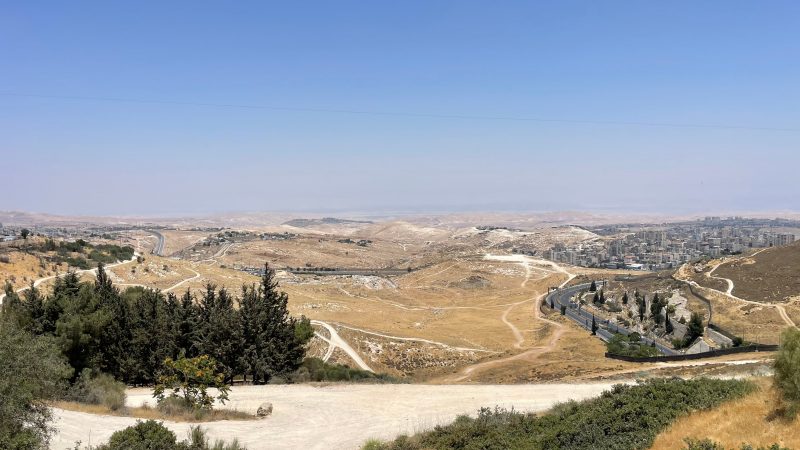
Last month the Foreign Secretary rightly condemned the Israeli Government’s tender for some 1,200 homes in the E1 area east of Jerusalem, summoned Israel’s chargé d’affaires and promised a comprehensive set of measures in response. Ed Miliband repeated that promise in the Chamber on Tuesday, calling E1 “the crossing of a red line” and telling MPs the measures will come within weeks. The Prime Minister has said Labour did not get its response to Gaza right, and acting on settlement trade shows he means to change that.
The reply from his Israeli counterpart, Gideon Sa’ar, did not engage with the law on settlements, reaching instead for 1917 to argue that the Balfour Declaration had recognised a right to build in the very area in question. We cannot rebut that argument while refusing to say what we did to give that Declaration effect and what followed.
READ MORE: Labour Party Conference 2026: Full LabourList events programme, revealed
The Britain Owes Palestine petition that Palestinians served on the Government on 7 September last year sets out, across 400 pages of archival evidence, how Britain breached international law in Palestine between 1917 and 1948. It was drafted by leading human rights KCs working with historians of the period, and it asks the Government to respond publicly, acknowledge what was done and apologise in the House of Commons. Twelve months on there has been no published response, and the 45 MPs and peers who wrote to the last Prime Minister in March asking for one have had none either.
What is striking about that period is how familiar the detail is: in the first week of the Arab Rebellion in 1936 Britain enacted emergency regulations, and by the end of June the army had used them to demolish a large part of the old city of Jaffa. Britain admitted to the League of Nations the destruction of as many as 237 multi-occupancy dwellings, and thousands of people were put out of their homes. When a resident challenged the demolitions, the Administration told the court that this was a matter of town planning, and the Chief Justice, while finding the demolitions technically lawful, described the Government’s account as a “singularly disingenuous lack of moral courage”.
Nor is this confined to the archives, because one instrument from that period is still in use: Regulation 119 of the Defence (Emergency) Regulations 1945 allows a military commander to order the demolition of a house whose occupants he believes were involved in an offence. Britain revoked the Order in Council underpinning those regulations in May 1948 and the Foreign Office has confirmed they are no longer in force, yet Israel’s courts have treated them as though they were never repealed, and Regulation 119 remains the stated basis for punitive house demolitions in the occupied Palestinian territory today. A family whose home is destroyed in the West Bank this autumn will lose it under a regulation drafted by British officials, in our name.
Parliament failed to challenge the legacy it left behind because the Palestine Act 1948 barred proceedings in British courts over anything done in good faith by those serving the Crown in Palestine, with retroactive effect, putting our own conduct beyond the reach of our own justice system before the subject was quietly dropped.
Become a friend of LabourList and join our community. Our friends support our vital non-factional work and get access to exclusive content and events.
My constituents do not need persuading that history has consequences, and nor should Labour. We are a party built on the conviction that the same rules bind the strong as bind the weak. But this principle is worth little if it stops at our own front door. Ireland banned imports from the illegal Israeli settlements in July, and a government preparing to go further than the last one should manage the far cheaper act of telling the truth about what Britain did. The authority of the measures the Foreign Secretary announces will rest on our willingness to hold ourselves to the same standard.
The party gathers in Liverpool at the end of the month, and three things are within the Government’s gift before then: publish a response, engage honestly with the evidence in it, and meet the petitioners and their counsel. An apology would not rebuild a single house in Jaffa, but it would mean that the next time a British promise from 1917 is used to justify what is being done in the West Bank, this country has an honest answer of its own.
Subscribe here to our daily newsletter roundup of Labour news, analysis and comment– and follow us on TikTok, Bluesky, WhatsApp, X and Facebook. You can also write to our editor to share your thoughts on our stories and share your own. The best letters are published every Sunday.
-
- SHARE: If you have anything to share that we should be looking into or publishing about this story – or any other topic involving Labour– contact us (strictly anonymously if you wish) at [email protected].
- SUBSCRIBE: Sign up to LabourList’s morning email here for the best briefing on everything Labour, every weekday morning.
- BECOME A FRIEND: If you enjoyed this, why not consider becoming a Friend of LabourList? Help sustain our journalism, and of course Friends do get benefits…
- PARTNER: If you or your organisation might be interested in partnering with us on sponsored events or projects, email [email protected].
- ADVERTISE: If your organisation would like to advertise or run sponsored pieces on LabourList‘s daily newsletter or website, contact our exclusive ad partners Total Politics at [email protected].



More from LabourList
Rotten to the core? Reform demonstrate why party discipline is important
Paul Nowak column: ‘Britain needs a living standards Budget’
‘Brexit was never a closed matter – it’s time to put the national interest first’