


The 2026 Spring Statement was never designed to be a headline-grabbing fiscal reset. Instead, it served as something more deliberate.
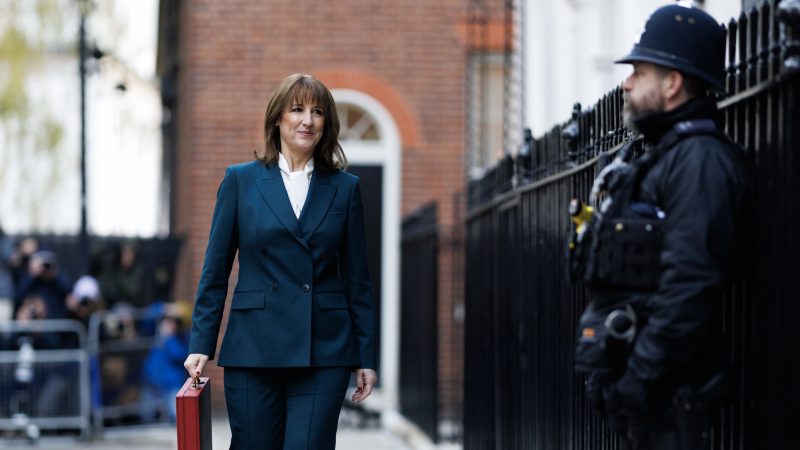
The Chancellor used her time at the dispatch box to deliver a progress report centred around the government efforts to stabilise a country after years of economic turbulence. This comes after recent months of criticism focused on post-pressure changes in policy direction. I can understand why Rachel Reeves chose to approach her Spring Statement this way, opting against announcing any new economic policies that would have brought more intense scrutiny.
As a result, I think this was also her best performance in Parliament since delivering the first Labour budget in autumn of 2024. The Chancellor looked confident in the OBR forecasts she was delivering and, in many ways, vindicated by some of her key lines, especially regarding inflation, borrowing, debt spending and living standards.
READ MORE: Economic stability for an uncertain world: Spring Statement 2026
Since taking office in 2024, Labour has faced conditions that were never going to allow for instant transformation. Sluggish growth, persistent global instability, fragile public finances and stretched public services have shaped every decision.
The Chancellor even pointed this out, acknowledging the disasters of the last government, especially regarding austerity and Liz Truss’ mini budget, that left both our public services in a mess and the country with none of the money that was needed to clean it up.
The Chancellor also pointed to Brexit as cutting us off from our closest trading partners, when discussing the difficulties that this government has had to try and overcome to deliver an improvement for Britain’s economic circumstances. This is something we are beginning to see the Labour front benches be a little bit more bullish about, as we approach a decade since the referendum vote.
It is, of course, fair to say the government has not got everything right. Some policies have been adjusted. Certain ambitions have been tempered by fiscal reality and difficult trade-offs have been made in response to circumstances that were, at times, harsher than anticipated.
Yet the Chancellor’s Spring Statement underscored a commitment to steadiness in what we can all appreciate now more than ever, is an increasingly unsteady world. Rather than pivoting to a new agenda, the Chancellor used the platform to demonstrate continuity, showing how earlier decisions are beginning to feed through into improved economic indicators.
Inflation has fallen consistently from its peak. Real wages are stabilising. Household finances, while still under strain, are projected to be stronger by the end of the Parliament, with forecasts suggesting families could be around £1,000 better off as price pressures ease.
After years in which rising prices consistently outpaced earnings, this may not feel transformative yet in kitchens and high streets across the country, but economic repair is rarely instant or dramatic.
Unfortunately for a government trying to survive in the current political climate, it is more often incremental.
Subscribe here to our daily newsletter roundup of Labour news, analysis and comment– and follow us on TikTok, Bluesky, WhatsApp, X and Facebook.
The government has been candid that the unemployment statistics remain a concern, with it forecasted to rise in the short term as the economy continues to adjust. That is a reality that carries political as well as social risks. Polling already reflects public impatience, with Reform still top while the Greens have made gains and leapfrogged over Labour, both capitalising on a sense that change has not been felt quickly enough. The fallout from Gorton and Denton continues to cast a shadow, reinforcing perceptions that voters have other choices, both offering to rip it up and start again.
But even amongst the difficulties of the political landscape for Labour, the economic message of the Spring Statement was one of restraint and responsibility. This approach will not excite everyone, but it is not designed to.
What it signals, however, is a government that believes stability must be the foundation before transformation. The Chancellor’s direction of travel remains focused on rebuilding fiscal headroom and gradually improving living standards rather than chasing short-term popularity.
Share your thoughts. Contribute on this story or tell your own by writing to our Editor. The best letters every week will be published on the site. Find out how to get your letter published.
If Labour’s first two years have been about firefighting and repair, the challenge now is ensuring that the stabilisation phase translates into tangible improvements that voters can feel. The direction and desire to deliver on this is visible.
The questions now are whether the current government has enough time, and the public enough patience to feel economic improvements before political pressures become too much, and the demand for change now outweighs the case for stability first.
-
- SHARE: If you have anything to share that we should be looking into or publishing about this story – or any other topic involving Labour– contact us (strictly anonymously if you wish) at [email protected].
- SUBSCRIBE: Sign up to LabourList’s morning email here for the best briefing on everything Labour, every weekday morning.
- DONATE: If you value our work, please chip in a few pounds a week and become one of our supporters, helping sustain and expand our coverage.
- PARTNER: If you or your organisation might be interested in partnering with us on sponsored events or projects, email [email protected].
- ADVERTISE: If your organisation would like to advertise or run sponsored pieces on LabourList‘s daily newsletter or website, contact our exclusive ad partners Total Politics at [email protected].



More from LabourList
‘On Europe, can Labour learn to (Swiss) roll with it?’
Gorton and Denton, Iran and election season – Ann Black’s NEC report
Gary Smith re-elected as GMB general secretary unopposed