

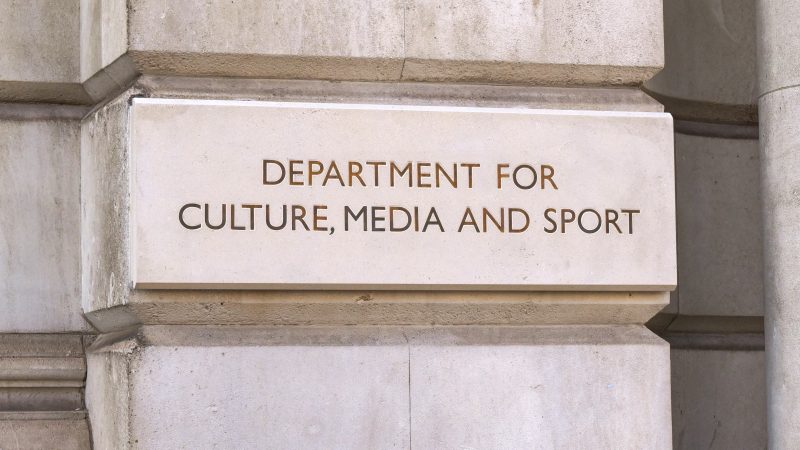

The statutory levy marks a long-overdue shift in how gambling harm services are funded in Great Britain, through a new Gambling Levy Board under the Department for Culture, Media and Sport (DCMS). It was set up to fix a broken voluntary system that was too closely aligned with gambling sector narratives.
Distribution of the over £100m-per-year pot starts in April, but some independent, public health-focused charities and services have been blocked from accessing this round of harm prevention funding, leading to fears the established system will continue in another guise.
The road to this point has been long. The first “Stop the FOBT” (Fixed Odds Betting Terminals) event in Parliament was in 2013, with the campaign delivering success in 2019 through the stake reduction of these highly addictive slot machines from £100 per spin to £2.
READ MORE: ‘Higher gambling tax at last’
Back then, funding for gambling-related research, education, and treatment was about £6 million per year. As part of the plan to resist reforms, the bookies advanced the concepts of “responsible gambling” and “safer gambling,” where the focus is on the individual, rather than on addictive products or trade practices.
They communicated this largely through organisations willing to take voluntary funding, often presented as prevention work, to support the DCMS and Gambling Commission narrative that effective protection measures existed. Unlike most other charities, they were not funded philanthropically or by the public, but voluntarily by the sector causing the harm.
Trade-approved funding for treatment and prevention charity GamCare, in the low millions in 2013, ballooned to tens of millions by 2025, with other prevention entities also mushrooming in this ecosystem. In 2013 there was only one NHS Gambling Clinic, now there are 15 due to expanding need.
How is it that with so many new bodies supposedly preventing harm, the treatment needs remain so high? The answer is clear. Online gambling is designed to be addictive, the designers are getting better at it, advertising is near-ubiquitous, and the establishment “responsible” and “safer” prevention models are ineffective.
Become a friend of LabourList and join our community. Our friends support our vital non-factional work and get access to exclusive content and events.
The Labour 2024 manifesto acknowledged that gambling should be considered a health issue. Unfortunately, oversight is with DCMS which seems to regard the health of gambling licensees as more important than the health of consumers. To show where they stand, DCMS opposed the Autumn Budget increases in gambling taxes, in line with sector lobbyists.
So many people worked so hard across politics to implement and improve the levy, from the 2020 Tory launch of the Gambling Act review to its White Paper in 2023, and Labour commitment to it in 2025.
But the lack of transparency in the old system seems to have continued, with the Office for Health Improvement and Disparities (OHID) denying prevention funding to worthy recipients, based on a scoring by the Government Grants Management System (GGSM) in the Cabinet Office.
Grounds for denial were unspecified allegations related to due diligence or ineligibility, which could have been adequately resolved by iterative communication with bidders, if there was any goodwill in the process. On the other hand, historical charities that could show healthy reserves after years of sector funding were waved through. Building the capacity of the third sector was an objective of the fund, so striking out newer, independent, public health-focused charities seems odd.
If everything were done by the book, then the Cabinet Office rulebook urgently needs rewriting. This is reminiscent of the COVID PPE scandal, where quality analysis was absent from the awarding criteria.
When complacency and incompetence meet vested interests, money and politics – what could possibly go wrong?
Subscribe here to our daily newsletter roundup of Labour news, analysis and comment– and follow us on TikTok, Bluesky, WhatsApp, X and Facebook. You can also write to our editor to share your thoughts on our stories and share your own. The best letters are published every Sunday.
-
- SHARE: If you have anything to share that we should be looking into or publishing about this story – or any other topic involving Labour– contact us (strictly anonymously if you wish) at [email protected].
- SUBSCRIBE: Sign up to LabourList’s morning email here for the best briefing on everything Labour, every weekday morning.
- BECOME A FRIEND: If you enjoyed this, why not consider becoming a Friend of LabourList? Help sustain our journalism, and of course Friends do get benefits…
- PARTNER: If you or your organisation might be interested in partnering with us on sponsored events or projects, email [email protected].
- ADVERTISE: If your organisation would like to advertise or run sponsored pieces on LabourList‘s daily newsletter or website, contact our exclusive ad partners Total Politics at [email protected].



More from LabourList
Starmer attempts to reassure Britons amid fears of inflation spike, but did he go far enough?
‘From referee to coach – Labour needs a new theory of what it’s for’
Ben Cooper column: ‘Labour must intervene to tackle the causes of the cost of living crisis’