

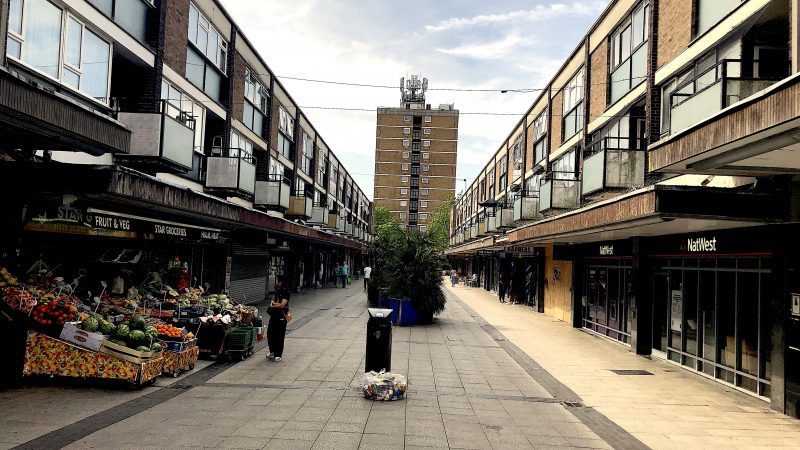

High streets remain one of the clearest public tests of whether places are thriving or, in many cases, declining. Andy Burnham has already made them a feature of his vision for leadership, speaking in his Manchester address of taking high streets from markers of decline to ‘symbols of Britain’s renaissance’.
He is far from the first politician to have recognised their importance. The state of the high street is among the top concerns of voters on the doorstep and, therefore, of Labour’s MPs. Keir Starmer’s government also recognised the need for change with plans to publish a high street strategy, now expected to be published later this year.
But to realise the vision of high streets as genuine symbols of national renewal – and to make tangible progress in the remainder of the parliament – a high street strategy alone will not be enough. This issue needs strong political leadership, with a ministerial mandate to deliver. Andy BurnΩΩ ham can answer this when he conducts his reshuffle by appointing a Minister for the High Street.
READ MORE: ‘Labour must raise living standards faster to stop voters turning to populism’
Making progress on high streets is one of the most tangible ways Burnham’s government can demonstrate to voters by the next election that things are improving. Because when people step outside their front doors and see shuttered shopfronts, anti-social behaviour and a lack of places to meet, their sense of civic pride is dented. In places experiencing chronic decline, frustration is growing as people feel they lack control over what happens in their place, and that government is not coming to help them. Power to Change’s research has demonstrated that places with the highest rates of persistent high street vacancy before the 2024 election saw a significant increase in support for Reform UK relative to places with more prosperous high streets.
Where previous governments have struggled to make progress on this issue, despite significant investment, a new approach is emerging. In place of the failed retail-dominated model of the high street, there is growing support for a more resilient civic model – combining space for public services, connection, culture, housing and enterprise. This approach is emerging in pockets around the country, driven by community businesses who know what their places need and have the determination to deliver it. It’s also gaining traction at the top of politics: during the Makerfield by-election campaign, Andy Burnham spoke of the need to rethink the purpose of town centres and create more modern living accommodation there. Improving how high streets look and feel, and what they offer to people, will drive footfall and make them more vibrant economic spaces – supporting his vision to secure ‘growth in every postcode’.
Yet progress is too often held back by siloed policymaking and outdated fiscal assumptions. At present, high street policy sits across a range of departments and ministerial portfolios. The Minister for Devolution, Local Growth and Communities in MHCLG – currently the closest thing to a government minister for high streets – holds responsibility for high streets and town centres within a broad portfolio ranging from English devolution and regional investment to cohesion and civic participation. The department is responsible for developing powers for councils to take on absent landlords; like compulsory purchase orders and the High Street Rental Auctions introduced by Labour in 2024. But these powers remain underutilised by cash-strapped and risk averse councils. The Home Office holds responsibility for tackling the organised crime that can make high streets feel unsafe. And the Treasury holds the fiscal powers to tackle the dysfunctional business rates system or provide investment for communities seeking to buy empty buildings from neglectful owners and transform them.
Become a friend of LabourList and join our community. Our friends support our vital non-factional work and get access to exclusive content and events.
But this means responsibility is fragmented, with no single minister accountable for delivering timely change. Appointing a dedicated minister for high streets and town centres for the remainder of the parliament would ensure there is clear political leadership and delivery capacity on one of the issues that most visibly shapes people’s everyday experience of place.
Of course, as Burnham makes his ministerial selections, there are only so many ministers he can appoint, and a raft of issues competing for political attention. But appointing a minister to address a timely political priority has precedent, such as when Theresa May appointed the nation’s first Minister for Loneliness in 2018. However, while a ministerial appointment provides political capital, they can’t deliver alone. A Minister for the High Street must embrace Burnham’s ethos of backing those who get things done, including the community businesses and local groups already driving the transformation of their high streets at a local level.
Appointing a Minister for the High Street would help put a name and face to the issue and clearly signal it as a political priority for Burnham’s government. With Labour seeking to demonstrate tangible improvements in people’s lives before the next election, the case for clear ministerial ownership of the high street has never been stronger.
Subscribe here to our daily newsletter roundup of Labour news, analysis and comment– and follow us on TikTok, Bluesky, WhatsApp, X and Facebook. You can also write to our editor to share your thoughts on our stories and share your own. The best letters are published every Sunday.
-
- SHARE: If you have anything to share that we should be looking into or publishing about this story – or any other topic involving Labour– contact us (strictly anonymously if you wish) at [email protected].
- SUBSCRIBE: Sign up to LabourList’s morning email here for the best briefing on everything Labour, every weekday morning.
- BECOME A FRIEND: If you enjoyed this, why not consider becoming a Friend of LabourList? Help sustain our journalism, and of course Friends do get benefits…
- PARTNER: If you or your organisation might be interested in partnering with us on sponsored events or projects, email [email protected].
- ADVERTISE: If your organisation would like to advertise or run sponsored pieces on LabourList‘s daily newsletter or website, contact our exclusive ad partners Total Politics at [email protected].



More from LabourList
Delivering in local government: How Labour is building a better Britain everywhere
‘Changing our voting system is fundamental to Burnham’s agenda’
‘Labour has a chance to make the socio-economic duty mean something’