

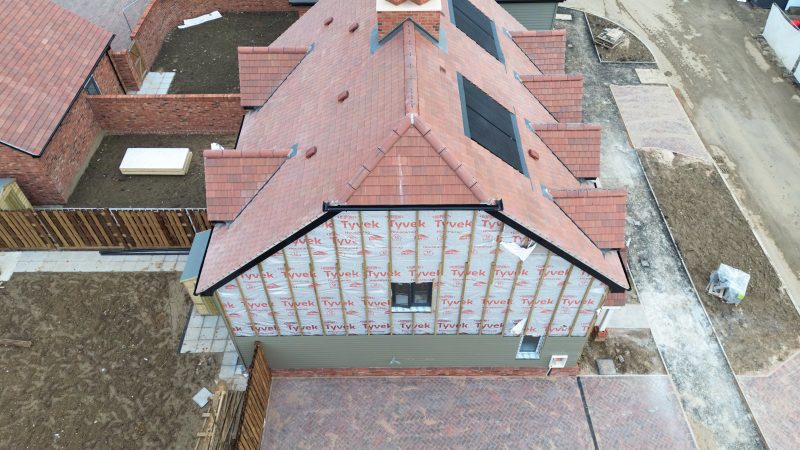

Throughout our history, when Labour Governments confront housing conditions that hold working people back, we don’t tinker at the edges. The Wheatley Act of 1924 subsidised the construction of more than half a million council homes. The 1949 Housing Act backed grants for private owners and landlords to modernise homes with indoor toilets, hot water and basic standards of decency. In 1969, Harold Wilson’s government went further again, extending improvement grants to bring millions of older homes into the modern age. And at the turn of the century, John Prescott, as Deputy Prime Minister, led Labour’s Decent Homes programme, a once-in-a-generation intervention that transformed millions of council houses, ensuring they were warm, weatherproof and fit for the 21st century.
That’s why today, we continue in that tradition with the largest public investment in home upgrades in British history of £15 billion. With it, this Labour government is turning the page on a lost decade of failure on home upgrades. Between 2010 and 2024, home insulation rates collapsed by over 90%. Promised minimum standards for renters were abandoned. And the cancellation of the Zero Carbon Homes standard meant more than a million homes were built with higher energy bills.
READ MORE: ‘On housing, Labour should build a lasting legacy’
For too long, energy policy in Britain has failed the people who pay the price every month – working families. High bills, cold homes and a system stacked against those without the means to pay upfront costs have left millions in fuel poverty and insecurity. Today’s Warm Homes Plan is Labour’s answer to that failure and it could not come at a more important moment.
The cost-of-living crisis remains the number one issue facing our country. That is why this Labour government is acting decisively. At the Budget, the Chancellor took £150 off the costs of energy bills from April. This winter, we expanded the Warm Home Discount to reach around six million families. The Warm Homes Plan now takes the next decisive step, cutting bills for families and helping lift a million households out of fuel poverty.
This is not just a response to the failure of previous governments. The Warm Homes Plan is about giving working people access not just to a roof over their heads, but to warm, affordable, modern homes. Just as past Labour governments brought plumbing, sanitation and electricity into everyday life.
JOIN LABOURLIST ‘IN CONVERSATION’ WITH STEVE ROTHERAM ON 3rd FEB
It is clearer than ever that clean energy is not only the right choice for reducing emissions, it is the right choice for cutting bills. Demand for solar, batteries and heat pumps is growing. Our task is to ensure that savings made through these technologies are not captured only by those who can afford the upfront costs, but shared across the country.
That starts with those who need help most. The Warm Homes Plan includes £5 billion to directly upgrade homes for low-income families. This is a huge investment in tackling fuel poverty. Renters will no longer be left behind. It is a scandal that 1.6 million children live in cold, damp or mouldy private rented homes. By 2030, private landlords will be required to meet minimum energy efficiency standards.
Subscribe here to our daily newsletter roundup of Labour news, analysis and comment– and follow us on Bluesky, WhatsApp, X and Facebook.
This restores a basic principle Labour stands for: if you rent out a home, it must be safe, warm and affordable to live in.
This plan is also about jobs and industry. Labour wants the future to be made in Britain. By backing domestic manufacturing and skilled work, the Warm Homes Plan will support tens of thousands of good jobs while cutting bills for millions. Through the Warm Homes Workforce Taskforce that I will co-chair with Kate Bell of the TUC, we will work with trade unions and industry to deliver these new jobs and ensure they meet the highest standards.
Taken together, this is a landmark moment: cutting bills, tackling fuel poverty and renewing a proud Labour tradition of housing reform. Choosing investment over decline. And ensuring that the benefits of modern living are shared by every family.
Share your thoughts. Contribute on this story or tell your own by writing to our Editor. The best letters every week will be published on the site. Find out how to get your letter published.
-
- SHARE: If you have anything to share that we should be looking into or publishing about this story – or any other topic involving Labour– contact us (strictly anonymously if you wish) at [email protected].
- SUBSCRIBE: Sign up to LabourList’s morning email here for the best briefing on everything Labour, every weekday morning.
- DONATE: If you value our work, please chip in a few pounds a week and become one of our supporters, helping sustain and expand our coverage.
- PARTNER: If you or your organisation might be interested in partnering with us on sponsored events or projects, email [email protected].
- ADVERTISE: If your organisation would like to advertise or run sponsored pieces on LabourList‘s daily newsletter or website, contact our exclusive ad partners Total Politics at [email protected].



More from LabourList
‘The politics of the Gambling Levy money’
Starmer attempts to reassure Britons amid fears of inflation spike, but did he go far enough?
‘From referee to coach – Labour needs a new theory of what it’s for’