


Imagine you’re a British sheep farmer. You play by the rules, abiding by regulations that mean you’d never dream of cutting the skin from a live lamb without pain relief – a practice so cruel it would be unthinkable here. But here’s the problem: lamb imports from Australia, where farmers still practice live lamb cutting, have surged following the Conservatives’ flawed trade deal.
Sounds unfair? That’s because it is.
In recent weeks, the Trump administration has been clear: they want Britain to lower its food standards as the price for reviving our £31 billion “Tech Prosperity Deal.” US trade envoys have suggested that for American investment in our AI and quantum infrastructure to resume, we must accept products like chlorinated chicken and hormone-treated beef.
READ MORE: ‘Honest labelling: why transparency on meat and dairy matters’
I am proud that our Government has been equally clear in response. The Prime Minister has rightly described our food standards as a “red line.” We will not trade away the quality of our food for a quick deal. This is Labour in action – proving we can expand trade without compromising our values.
Now we need to address the inconsistency still visible on supermarket shelves across Britain and extend our “red lines”.
JOIN LABOURLIST ‘IN CONVERSATION’ WITH STEVE ROTHERAM ON 3rd FEB
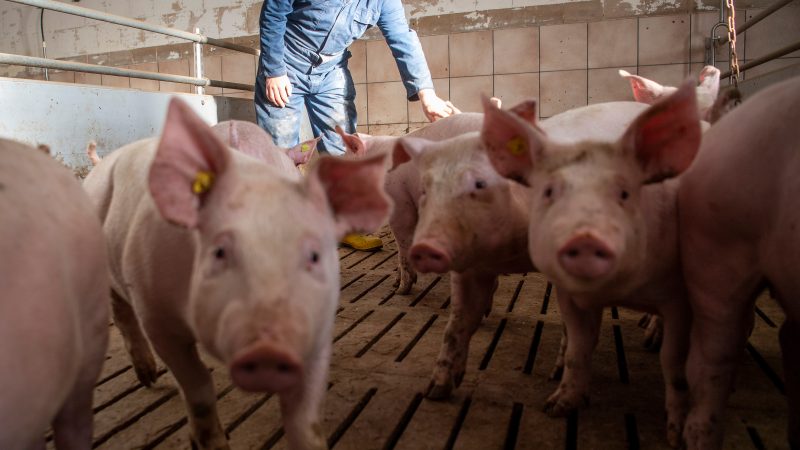
Here’s the reality: nearly 97% of pork imports come from countries where pregnant pigs remain confined in narrow sow stalls, unable to even turn around. Once Mexico ratifies UK membership to the Pacific trade deal, we could see eggs flooding in from a country where 99% come from barren battery cages, which have been banned in the UK since 2012. These practices were banned here because they do not align with British values or public opinion.
British farmers follow our welfare regulations – no battery cages, no sow stalls, humane transport conditions – yet we continue allowing imports that undermine these standards.
What this means is, instead of preventing cruelty to farmed animals, the effect of many of our laws is to ‘offshore’ some of that cruelty overseas, sometimes to countries with standards far lower than ours.
The solution is clear: imports should meet our domestic animal welfare standards. If certain practices are too cruel for our farms, they should also be unacceptable at our borders.
This approach would also complement our ongoing “SPS” negotiations with the EU, where alignment on standards is key to cutting red tape for our exporters. It is a policy that is popular with the public – 9 in 10 of whom support import restrictions on low-welfare goods – and one that shows Labour truly understands the concerns of our rural heartlands.
Subscribe here to our daily newsletter roundup of Labour news, analysis and comment– and follow us on Bluesky, WhatsApp, X and Facebook.
We already have a precedent for this approach. Current UK legislation requires that all meat imports comply with our slaughter standards. Animals must be stunned before slaughter, with certain religious exemptions, regardless of their origin. What we need now is to extend this principle to how animals are kept throughout their lives, not just how they’re killed.
This would mean legislation requiring that imported animal products meet UK standards on key welfare issues: no eggs from barren battery cages, no pork from farms using sow stalls, no lamb from farms practicing live lamb cutting.
The EU is already moving in this direction, with proposals to end cage farming and extending this rule to imports expected later this year. Aligning our policies would improve our trade relationship with our largest partner, benefiting British farmers directly.
Share your thoughts. Contribute on this story or tell your own by writing to our Editor. The best letters every week will be published on the site. Find out how to get your letter published.
This change would directly improve animal welfare, aligning with both our values and public demands. For our farmers, it will right a wrong – preventing grossly unfair competition from lower-welfare imports, allowing British producers to uphold higher standards while remaining competitive. And that would all complement the £5 billion support package we’ve already delivered.
This is a win-win-win policy: fair for farmers, fair for animals, and fair for people. It builds on the trade successes we’ve already achieved while closing a loophole that undermines both our farmers and our values.
Building on our recent trade victories, it’s time to show that Labour’s approach to trade is both principled and practical. We can grow our economy while standing firm on the standards that matter to British people.
-
- SHARE: If you have anything to share that we should be looking into or publishing about this story – or any other topic involving Labour– contact us (strictly anonymously if you wish) at [email protected].
- SUBSCRIBE: Sign up to LabourList’s morning email here for the best briefing on everything Labour, every weekday morning.
- DONATE: If you value our work, please chip in a few pounds a week and become one of our supporters, helping sustain and expand our coverage.
- PARTNER: If you or your organisation might be interested in partnering with us on sponsored events or projects, email [email protected].
- ADVERTISE: If your organisation would like to advertise or run sponsored pieces on LabourList‘s daily newsletter or website, contact our exclusive ad partners Total Politics at [email protected].



More from LabourList
Labour launch major attack ad campaign exposing Reform’s record
‘It is time for the Lords Spiritual to leave the House of Lords’
‘MattGPT and Me’