


The cost of buying food is top of mind for many British households. Between July 2020 and July 2025, food prices increased by 37%, significantly higher than overall UK inflation. Everyone rich and poor –has noticed it.
At the extreme end, food inflation can be deadly. The Government estimates that 2.6 million children do not have consistent and reliable access to enough food. This is equivalent to one in seven families struggling to put food on the table, and it has gotten worse in recent years.
The reality of food poverty is why the Prime Minister has said that “every minute we focus on anything other than cost of living is a wasted minute”. Alongside housing and energy, food is the biggest essential cost for households. It is also one of the most visible forms of inflation: increases in house prices, washing machines or holidays can go unnoticed day-to-day, but people buy food every single week.
READ MORE: ‘Standing firm for our farmers: why Britain’s ‘red lines’ in trade must be the standard for all’
The problem is, the Government has little direct control over food prices. The main drivers of recent food price inflation are, firstly, a global supply squeeze, triggered by Russia’s full-scale invasion of Ukraine, as well as climate-related shocks. Secondly, increases in energy prices, also linked to the war, as well as the UK’s longstanding dependence on gas. Meanwhile, supermarket margins are razor-thin, and VAT is already set to zero on groceries, further limiting the Government’s options.
So what can we do? We – the Centre for British Progress, and the Living Standards Coalition of Labour MPs – joined forces to tackle this question, in a new report. We find that there are two main levers the Government could pull to bring down food prices.
The first addresses the main reason why food prices have risen faster in Britain over the past few years than in the rest of Europe: trade friction. Leaving the EU created new costs at the border, increasing the costs faced by importers, which have then been passed on to consumers. A weakened sterling, and flatlining productivity, exacerbate this trend.
The EU accounts for 70% of the UK’s food and drink imports. Although there are no tariffs on this trade, Johnson’s hard Brexit created new non-tariff barriers. Most notably, since the UK does not officially align with EU food standards, food consignments need to be checked at the border.
No supporter of Brexit voted for higher food prices, and very few people would take issue with EU food standards, which are some of the best in the world. In fact, we end up applying the EU’s standards anyway, since our farmers sell to the European market. Additional border checks are mutually harmful: slowing things down and creating extra paperwork, benefitting no one, but costing everyone. That is why the UK is right to have begun negotiating a sanitary and phytosanitary (SPS) deal with Brussels. The sooner this is agreed, the sooner British households will feel the benefits. However, we could go even further. If an SPS deal were combined with some form of customs arrangement, perhaps modelled on the Northern Ireland border arrangement, this could lower food prices by 3-6%, depending on the level of alignment.
Subscribe here to our daily newsletter roundup of Labour news, analysis and comment– and follow us on TikTok, Bluesky, WhatsApp, X and Facebook.
We don’t talk enough about how Johnson’s hard Brexit contributed to today’s cost of living crisis, but it did. As in other areas of policy, this Labour Government must undo the harm done by previous Conservative administrations.
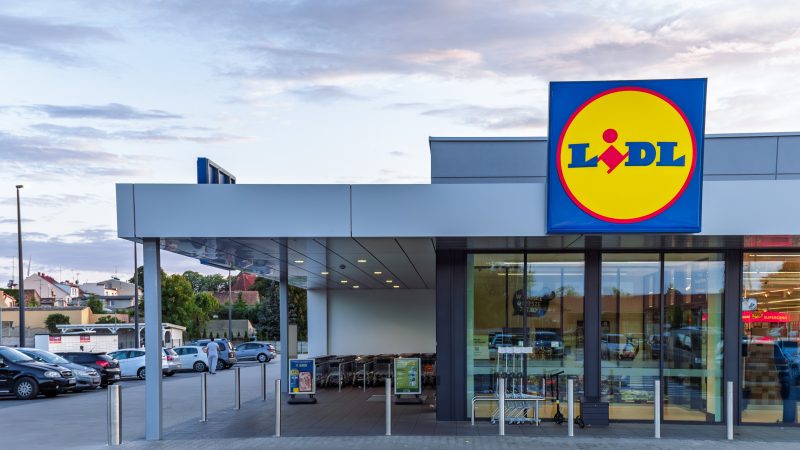
The second key area is planning reform. Although supermarkets all face thin margins, there is significant variation in the prices of food between discount supermarkets, who have lower costs, versus more expensive ones. Previous competition action that enabled the rise of Lidl and Aldi created estimated welfare gains of 3.5% on certain basic products. Allowing these supermarkets to expand, particularly in places that are not currently served by discount stores, could reduce the price of food for millions of people.
However, our planning system actively discourages new supermarkets from opening. Incumbent supermarkets can use the National Planning Policy Framework (NPPF) to prevent new entrants, including low-cost disrupters.
The previous Labour Government took action against supermarket anti-competition practices by banning exclusivity agreements with landlords and restrictive covenants placed on land. We must now go further. The Government could introduce a permitted development right (PDR) or strong national policy support for new grocery stores. The aim would be to increase and speed up the number of approvals for new supermarkets, increasing competition, particularly where there are new low-cost supermarkets in areas previously only served by more expensive supermarkets.
Share your thoughts. Contribute on this story or tell your own by writing to our Editor. The best letters every week will be published on the site. Find out how to get your letter published.
In these areas, the impact on food prices experienced by households could be significant because of a new cheaper option locally, and national downward pressure on competitor prices (e.g. “Aldi price matching”).
Aside from very real immediate consequences for households in poverty, history shows us the dangers of high inflation: sudden, large price increases can fuel populism and division. Tacking food prices is not easy, but the Government is not powerless. It has at least two powerful levers in its control – it just has to grasp them.
-
- SHARE: If you have anything to share that we should be looking into or publishing about this story – or any other topic involving Labour– contact us (strictly anonymously if you wish) at [email protected].
- SUBSCRIBE: Sign up to LabourList’s morning email here for the best briefing on everything Labour, every weekday morning.
- DONATE: If you value our work, please chip in a few pounds a week and become one of our supporters, helping sustain and expand our coverage.
- PARTNER: If you or your organisation might be interested in partnering with us on sponsored events or projects, email [email protected].
- ADVERTISE: If your organisation would like to advertise or run sponsored pieces on LabourList‘s daily newsletter or website, contact our exclusive ad partners Total Politics at [email protected].




More from LabourList
Labour launch major attack ad campaign exposing Reform’s record
‘It is time for the Lords Spiritual to leave the House of Lords’
‘MattGPT and Me’