


If you have tried to follow the position of Reform UK and the Conservative Party on Iran over the past fortnight, you could be forgiven for suffering a serious case of political whiplash. In the space of just a few days, the British right has lurched from calls for confrontation with the Iranian regime to sudden warnings that our country must stay out of another foreign war entirely.
What should have been a sober debate about international security and economic stability has instead resembled a scramble to keep up with the latest headline, with positions announced, abandoned and quietly rewritten as the political weather shifts.
Take Reform’s position. Only days ago Nigel Farage was arguing that the West needed to “take the gloves off” with Iran, warning that failing to confront the regime could carry greater risks than escalation itself. Around him, other senior figures were making the case even more bluntly. Richard Tice declared that Britain should “play our part in degrading once and for all the appalling Iranian regime.”
READ MORE: The Iran war underlines the need for Labour’s net zero commitment
Yet within days that argument vanished. Standing in front of cameras with promises to subsidise petrol for a few voters in Derbyshire for one night only, Farage suddenly recast himself as a UN peacekeeper, the voice of restraint, insisting Britain “cannot get involved directly in another foreign war.”
The Conservatives haven’t been clearer. At the start of the crisis, Kemi Badenoch criticised the government for being too cautious and suggested Britain should be prepared to do more alongside the United States. In the Commons, she argued there was little point in talking about making the world safer if Britain was “too scared to do anything except stand by and watch others”. Yet within days, the tone shifted, with Badenoch insisting she had never actually said Britain should join the conflict at all.
This zigzagging would be worrying enough if it were confined to a Westminster debate. What makes it more serious is that crises in the Middle East rarely stay distant for long. When tensions rise in the Gulf and supply is threatened, the shock moves quickly through global oil and gas markets and into the British economy.
Subscribe here to our daily newsletter roundup of Labour news, analysis and comment– and follow us on TikTok, Bluesky, WhatsApp, X and Facebook.
Britain has seen this repeatedly. When fossil fuel markets are thrown into turmoil, inflation rises, businesses face higher costs and households feel it in their monthly bills. Oil and gas are traded globally, so when supply is threatened anywhere, prices move everywhere.
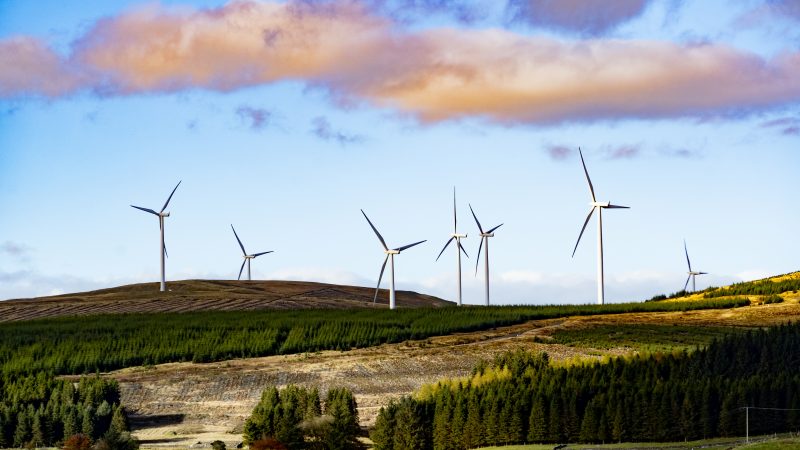
Which makes the response from Reform and the Conservatives even more baffling. At the very moment an oil crisis is reminding us how exposed Britain is to fossil fuel markets, their answer is to double down on them. Scrap renewables, attack wind and solar, put the brakes on the clean power we produce here at home. In other words, stay hooked on the very system that keeps throwing Britain around like a cork in the North Sea. If their plan is followed, the message to households is simple: buckle up for the next fossil fuel rollercoaster.
That is why the debate triggered by events in Iran cannot be separated from Britain’s energy system. If we want stability when geopolitical crises erupt, the answer is not rhetorical swings between escalation abroad and petrol pump stunts at home. It is reducing our exposure to volatile global fuel markets.
Over the past twenty months the government has begun that shift by rebuilding Britain’s ability to produce more of its own power. The ban on onshore wind was lifted within days of taking office, planning barriers have been streamlined and investment is returning to clean energy industries.
Alongside wind and solar, the government is also accelerating nuclear power, moving forward with projects such as Sizewell C while preparing the first generation of small modular reactors. Reforms to nuclear regulation are underway so plants can be built faster while maintaining strong environmental safeguards.
None of this will eliminate geopolitical shocks overnight. But the more electricity Britain generates from sources produced here at home, the less exposed our economy becomes to global fossil fuel volatility.
The lesson from the Iran crisis is not that Britain needs more political theatre or petrol pump stunts. It is that moments like these that demand seriousness, consistency and a clear strategy for the future.
Share your thoughts. Contribute on this story or tell your own by writing to our Editor. The best letters every week will be published on the site. Find out how to get your letter published.
Instead, over the past week, we have seen a politics that lurches from chest-thumping about “taking the gloves off” with Iran one day to photo opportunities at petrol stations the next. That is not leadership, it is panic dressed up as policy.
The job of government is the opposite: keep calm, get serious, and build the clean power at home that shields Britain from the next fossil fuel shock.
-
- SHARE: If you have anything to share that we should be looking into or publishing about this story – or any other topic involving Labour– contact us (strictly anonymously if you wish) at [email protected].
- SUBSCRIBE: Sign up to LabourList’s morning email here for the best briefing on everything Labour, every weekday morning.
- DONATE: If you value our work, please chip in a few pounds a week and become one of our supporters, helping sustain and expand our coverage.
- PARTNER: If you or your organisation might be interested in partnering with us on sponsored events or projects, email [email protected].
- ADVERTISE: If your organisation would like to advertise or run sponsored pieces on LabourList‘s daily newsletter or website, contact our exclusive ad partners Total Politics at [email protected].



More from LabourList
‘Dunblane’s legacy: how grief, courage and a community’s campaign helped ban handguns’
Delivering in Government: your weekly round up of good news Labour stories
‘The case for rearmament is becoming increasingly difficult to ignore’