

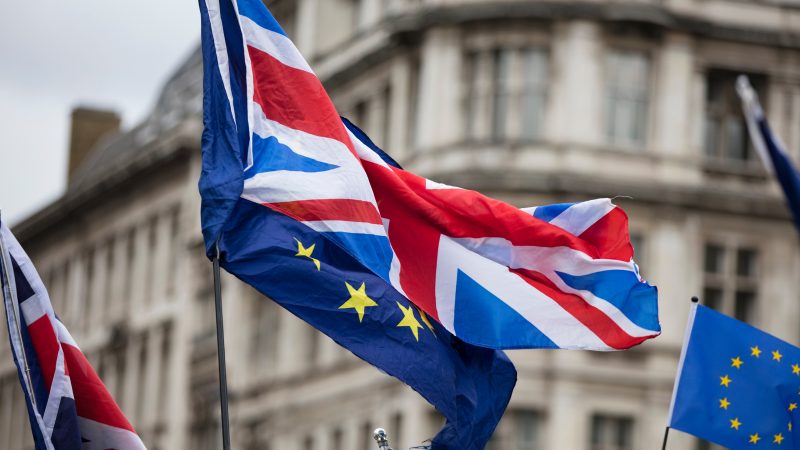

As Chair of the Parliamentary Partnership Assembly, I know firsthand how far the UK-EU relationship has improved since 2024. Conversations I have with MEPs from across Europe emphasise our shared values and a determination to work together constructively. This marks a big change since Labour entered government. Gone are the dark days of the Tories’ obsessive antagonism towards our neighbours in Europe. As Keir Starmer said a year ago, with Labour we are in “a new era in our relationship.”
This has been matched by concrete progress. As we approach the second UK-EU Summit this summer, we anticipate deals on food standards, energy cooperation and a youth mobility agreement. Already, we have seen the UK return to the Erasmus+ programme, securing opportunities for overseas training or study for our young people.
But as this critical relationship for the UK has strengthened, the international world order is disintegrating. President Trump has taken a wrecking-ball to the ‘special relationship’, imposing tariffs on UK exports and deriding the prime minister. President Putin has continued to attack Ukraine and to threaten Europe. China continues to dominate critical supply chains ever more forcefully. And now the reckless war on Iran threatens a new energy price crisis.
READ MORE: ‘Labour is rebuilding our relationship with Europe while restoring Britain’
In a dangerous world, we need to have a serious conversation about Britain’s role in Europe. That’s why a new report from Best for Britain last week is so timely. It looks at a range of possible future options for the UK-EU relationship, ranging from further loosening ties (the preferred option of Nigel Farage and Reform UK) to full UK membership of the EU. Its findings should be an eye-opener for all of us.
While the Government’s current approach is a popular one, future EU membership is the most popular option for progressive voters. Considering in the round the obligations required from each model for UK-EU relations, the economic growth to be expected, and what British voters think, the conclusions are clear.
The other options offer good progress too but have drawbacks. Joining the single market would deliver more growth, but it would make us rule takers: paying into EU budgets but with no rights to set the laws by which our businesses would be bound. Full membership is the only option that would give us a direct say in the laws that govern us, once again putting us with our partners in the driver’s seat, determining our shared future.
I’m not naïve, however. I understand that EU membership wouldn’t be easy. Negotiations would be tough, and it’s not clear that our new terms of entry would be as favourable as those we walked away from in 2016.
It is a fact that membership would be best for growth. It is a fact that membership would also give the UK a seat at Europe’s top decision-making table – vital for our national security at such a dangerous time. It would be strongly backed by Labour supporters. So yes, the politics would not be easy – and that must be taken into account – but during such a difficult geopolitical moment, it makes sense to consider the facts in front of us.
Become a friend of LabourList and join our community. Our friends support our vital non-factional work and get access to exclusive content and events.
It’s clear, however, that voters want us to think more seriously about the depth and breadth of our relationship to Europe. They recognise that the political moment demands bold ideas and brave actions to secure the future we all want. We, as legislators, must respond to that demand.
Membership could also be more likely to secure the backing of our European partners than if we seek to retain the ‘red lines’ that govern our current approach and which explicitly limit how far the UK-EU reset can go.
Those red lines were the right approach in 2024. They reassured an electorate wary of reopening old divisions. And they have shaped the good improvements in UK-EU relations we’ve seen since 2024. But world events have moved more quickly than any of us could have expected, so our ambition for the EU relationship needs to change too. At the very least, we need to have a conversation about membership. And it’s a conversation that should start now.
Subscribe here to our daily newsletter roundup of Labour news, analysis and comment– and follow us on TikTok, Bluesky, WhatsApp, X and Facebook. You can also write to our editor to share your thoughts on our stories and share your own. The best letters are published every Sunday.



More from LabourList
Letters to the Editor – week ending 11th October 2026
‘Playing it safe on Europe is the riskiest thing Labour can do’
‘Jack Charlton and Labour’s rural tradition’