


If you spend enough time in Westminster, you start to notice a pattern. Whenever Britain talks about industrial strategy, the conversation starts at the top. Departments publish plans. Think tanks produce reports. Ministers announce strategies. We are constantly debating targets, incentives and funding streams.
All of this matters. But too often we forget a simple truth: Industrial strategy doesn’t actually begin in Whitehall. It begins in places where people are willing to invest, build, innovate and create jobs. It begins in communities with skills, natural advantages and entrepreneurial ambition, and it begins with absolute, real-world clarity on how these industrial supply chains can be built in practice.
That matters because after years of stagnant productivity and weak growth, the challenge facing this government is not simply how to redistribute wealth, but how to create more of it. For Labour, that means rejecting a false choice: growth and fairness are not competing objectives. The point of growth is to improve lives and to spread the rewards more evenly across the country, rather than concentrating them in a handful of places.
READ MORE: ‘For Labour the next phase must be about growth’
For generations, Cornwall has been viewed through a lens of what it lacks – low wages, seasonal work and poor transport connections. One in six workers here is employed in hospitality – twice the national proportion – where low pay and seasonal insecurity are pervasive and median salaries run 14% below the national average. While these challenges are real, they are only part of the story and what is often overlooked is what Cornwall has.
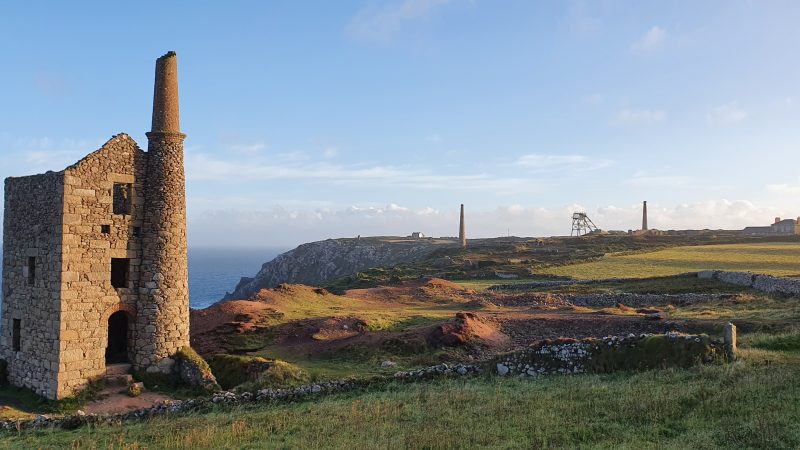
We have world leading expertise in mining and geology from our rich heritage. We have innovative businesses, universities and colleges developing highly skilled workers. We have natural resources that are becoming increasingly important to the global economy, UK resilience and supply chain security. We have communities that want the chance not simply to benefit from growth but to drive it.
This week, a new independent economic assessment of Cornwall’s emerging lithium industry offers a glimpse of what this could look like in practice.
The figures are significant. For example, over the next 25 years, Cornish Lithium’s projects are projected to contribute £5 billion to the UK economy, with £3.8 billion staying in Cornwall and for every £1 of direct value generated, £1.41 flowing through the wider economy. These projects can support more than 700 jobs a year in the county, 98% of them paying above the local median salary, and 80% of them accessible without a university degree.
This output could also meet nearly 40% of the UK’s domestic lithium target by 2035, as set out in the Critical Minerals Strategy, making a major contribution to Britain’s supply of one of the critical minerals needed for battery storage and the technologies that will underpin the UK’s clean energy transition. Cornwall’s lithium reserves alone have the potential to deliver the vast majority of the Government’s national target of 50,000 tonnes per year.
The numbers themselves are not the most interesting part. What caught my attention is what they tell us about the type of economy we can build.
Become a friend of LabourList and join our community. Our friends support our vital non-factional work and get access to exclusive content and events.
Almost all the jobs associated with these projects are expected to pay above the Cornish median wage. Around 80% are accessible without a university degree and offer skilled, high-paid careers in engineering, operations, maintenance, environmental management and technical services. These are exactly the type of jobs that enable young people to believe they can build a career in Cornwall without having to leave home – a dream that has eluded so many of my generation. That £3.8 billion doesn’t sit in a bank account, it flows into Cornish businesses, Cornish high streets and Cornish families. When I was elected, it was on the back of a pledge to create jobs and prosperity, and that is why I spend so much of my time on this most promising of growth industries.
For too long, Britain has tolerated a model where opportunity is concentrated in a small number of cities while other places are expected to make do. We celebrate social mobility, but often define it as moving away.
A successful industrial strategy should offer something different. It should mean that talent is no longer forced to travel hundreds of miles to find opportunity. It should mean that communities can retain the people they educate and train. It should mean that prosperity is created in more parts of the country, not simply redistributed after the fact.
This is particularly important as we navigate the transition to a cleaner economy. Often these discussions are framed solely around costs and targets, yet the energy transition is also one of the biggest economic opportunities Britain has seen for decades. The countries and regions that secure the industries of the future will enjoy the jobs, investment and economic resilience that come with them.
At present, we import 100% of the lithium we use. Yet demand is growing rapidly as industries of the future grow. If we are serious about economic security, industrial resilience and national competitiveness then we cannot continue to rely on overseas supply chains for materials that are increasingly fundamental.
This is where government has an important role to play. Not just by directing decisions from Whitehall or by picking up winners from a desk in Westminster. But by recognising opportunities when they emerge and ensuring that planning systems, infrastructure investment, skills provision and industrial policy work together with one another.
Because industrial strategy is not ultimately about government documents. It is about whether a young person in the clay county can see a future for themselves in the community where they grew up.
It is about whether Britain captures more of the value from the industries that will shape the century and it is about whether places that have too often been overlooked are finally given the chance to help drive national prosperity.
Britain keeps talking about industrial strategy as though it starts in Whitehall, but the truth is that it starts in places like Cornwall.
Subscribe here to our daily newsletter roundup of Labour news, analysis and comment– and follow us on TikTok, Bluesky, WhatsApp, X and Facebook. You can also write to our editor to share your thoughts on our stories and share your own. The best letters are published every Sunday.
-
- SHARE: If you have anything to share that we should be looking into or publishing about this story – or any other topic involving Labour– contact us (strictly anonymously if you wish) at [email protected].
- SUBSCRIBE: Sign up to LabourList’s morning email here for the best briefing on everything Labour, every weekday morning.
- BECOME A FRIEND: If you enjoyed this, why not consider becoming a Friend of LabourList? Help sustain our journalism, and of course Friends do get benefits…
- PARTNER: If you or your organisation might be interested in partnering with us on sponsored events or projects, email [email protected].
- ADVERTISE: If your organisation would like to advertise or run sponsored pieces on LabourList‘s daily newsletter or website, contact our exclusive ad partners Total Politics at [email protected].



More from LabourList
‘Back Burnham over Brexit’
Delivering in local government: How Labour is building a better Britain everywhere
‘Changing our voting system is fundamental to Burnham’s agenda’