


Andy Burnham is a strong proponent of devolution. But, while much coverage has focused on the north of England, we must not fall into the trap of framing Britain’s entrenched regional inequality as an anachronistic ‘North-South divide’. This false binary risks once again diverting attention and investment from rural and remote coastal communities like Cornwall. More than anywhere else, Cornwall’s devolution settlement will be indicative of Andy’s appetite for pragmatism…or ideology. And, bluntly, it could also determine whether, with four Cornish Labour MPs from six constituencies, the Labour revival survives. Such are the sensitivities of Cornish devolution, driven by three factors.
Firstly, with Council of Europe National Minority Status, the Cornish are staunchly opposed to a Mayoral Combined Authority (MCA) with any other authority. There is political consensus for devolution, but only on a Cornwall-only footprint: Labour, Lib Dems, Conservatives, Greens, Mebyon Kernow, and Independents demonstrated this in a 56-4 Council motion last year. Reform was split.
For centuries Cornwall was a separate entity from England (the word ‘Cornwall’ literally means ‘land of foreigners’), with its own Stannary Parliament until 1753. Today the desire for political and administrative independence runs deep. The Conservatives recognised this, with a relatively strong devolution settlement, and our commitments to devolution formed a significant part of Labour’s electoral success. With our own language – Kernewek – enjoying a sustained revival in Cornish schools, a deep-rooted sense of cultural identity and heritage (we have both official and unofficial national anthems!) and our own flag, this identity is fiercely protected and proudly celebrated on St Piran’s Day, 5th March.
READ MORE: ‘Britain’s industrial strategy must start in places like Cornwall – not Whitehall’
Cornwall has a well-established and stable unity authority which has administered £100s of millions of economic development funding for decades, firstly EU Objective One Funding and then Shared Prosperity Funding (SPF). The announcement that SPF was ending on the same day that new economic development funding was announced for northern English MCAs went down like a lead balloon in Cornwall!
So, what did the EU recognise in Cornwall that Westminster has consistently overlooked? This is the second key factor. When most people consider Cornwall they think of natural beauty, beach holidays, pasties and cream teas.
Become a friend of LabourList and join our community. Our friends support our vital non-factional work and get access to exclusive content and events.
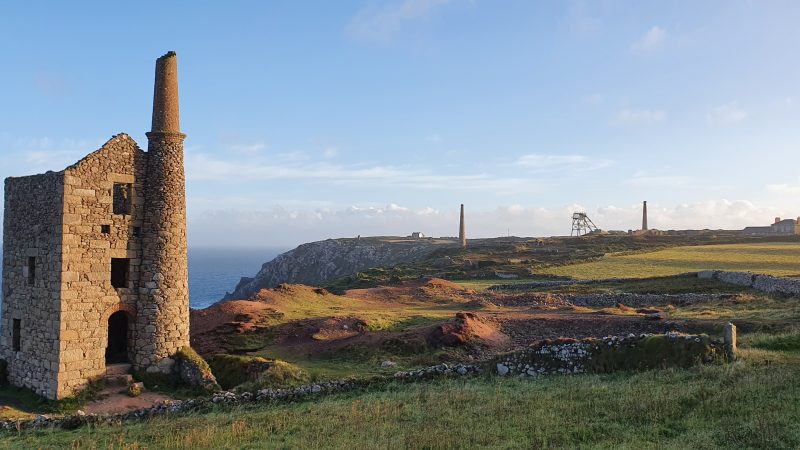
But beneath the picture postcard image lies a more complex reality – described as ‘pretty poverty’. With the collapse of tin mining last century, Cornwall became ‘post-industrial’ long before the ‘Red Wall’ and is still one of the most deprived areas in northern Europe. Wages are below national average, employment is precarious and seasonal, and we have one of the UK’s worst housing crises. This is compounded by huge numbers of short-term holiday lets and second homes, forcing locals inland into towns like Camborne and Redruth, in my constituency, and creating further inflationary pressures in the rental sector. Although homes have been built in recent years, they have been unaffordable – the target market being second homers or retirees from England. This in-migration of wealthier retirees inflates average income data, masking severe deprivation and resulting in a budgetary framework – reinforced by the Treasury’s Green Book – that systematically underestimates Cornwall’s need. Per-pupil funding, health outcomes, life expectancy, are all shockingly lower than average. Geographic isolation – surrounded by sea on three sides – with brittle public transport infrastructure and the housing affordability crisis, Cornwall struggles to recruit and retain working age families from ‘up the line’.
But thirdly, and most compellingly, Cornwall is slowly but surely on the way to becoming one of the UK’s most strategically important economic frontiers, contributing billions to UK plc and regenerating local communities. Our critical mineral resources of tin, lithium and tungsten are, quite simply, vast. Cornish tin is the second highest grade in the world at a time when analysts are predicting an imminent global shortage. Lithium extraction could add £5bn to UK plc, support domestic production of over 700,000 EVs, and create thousands of high skilled, stable jobs. The UK’s first geothermal power plant recently opened near Redruth, and Cornwall is the closest land mass to massive proposed Celtic Sea floating offshore wind (FLOW) farms. A modest investment in Falmouth Docks, the world’s third deepest natural harbour, would create the key hub for FLOW maintenance and operations. Cornwall has world-class reputations in marine technology and space communications, at Goonhilly Earth Station.
(Please note: I have not mentioned tourism once!).
Properly supported, these sectors will anchor domestic supply chains, reduce reliance on imports, and ensure economic benefits of decarbonisation are felt in communities that, for far too long, have been left behind.
The risk for Andy Burnham is turning a focus on the ‘North-South divide’ into a zero-sum game. If that happens, Cornwall and the UK will lose out. On the other hand, Cornwall is ready, willing and able to move fast on devolution. To achieve that, my ask of Andy is: “Leave the devo dogma at the door, take a pragmatic approach and unleash the Cornish Celtic Tiger.”
Subscribe here to our daily newsletter roundup of Labour news, analysis and comment– and follow us on TikTok, Bluesky, WhatsApp, X and Facebook. You can also write to our editor to share your thoughts on our stories and share your own. The best letters are published every Sunday.
-
- SHARE: If you have anything to share that we should be looking into or publishing about this story – or any other topic involving Labour– contact us (strictly anonymously if you wish) at [email protected].
- SUBSCRIBE: Sign up to LabourList’s morning email here for the best briefing on everything Labour, every weekday morning.
- BECOME A FRIEND: If you enjoyed this, why not consider becoming a Friend of LabourList? Help sustain our journalism, and of course Friends do get benefits…
- PARTNER: If you or your organisation might be interested in partnering with us on sponsored events or projects, email [email protected].
- ADVERTISE: If your organisation would like to advertise or run sponsored pieces on LabourList‘s daily newsletter or website, contact our exclusive ad partners Total Politics at [email protected].



More from LabourList
‘Back Burnham over Brexit’
Delivering in local government: How Labour is building a better Britain everywhere
‘Changing our voting system is fundamental to Burnham’s agenda’