

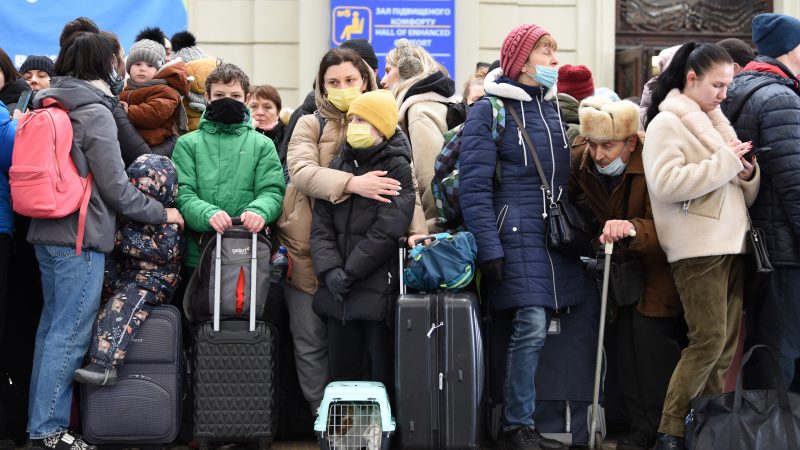

Labour inherited a chaotic asylum system. It deserves credit for fixing parts of it. But the new Immigration and Asylum bill risks creating its own chaos.
Starmer’s first asylum bill
Keir Starmer’s first asylum bill did at least give the coup de grâce to the unworkable Rwanda scheme. This formed part of Starmer’s key reform, to restart asylum decision-making, which had largely ground to a halt under the previous government.
As more refugees have received decisions and left the asylum system, the number of people in hotels has fallen to 20,885, about a third less than the figure in July 2024. That has been a notable achievement.
Starmer’s second asylum bill – two problems for the next PM
But his second asylum bill risks creating rather than cleaning up chaos.
First, forcing refugees to pay £10,000 because they had to rely on the Home Office to house and feed them is unfair – especially since it is illegal for people in the asylum system to work and support themselves. Paying this debt once refugees start earning over a certain amount will worsen work incentives, increase working poverty and harm integration of refugees into communities. It also sets up a whole new bureaucracy for the overstretched Home Office to run.
For many people, fairness is about people paying in and making a contribution. The government should therefore be clear that refugees already do contribute through the tax system. The more they earn, the more they contribute; which is more reason why the government should help refugees to integrate effectively. The income tax system is a far simpler and fairer way for refugees to contribute than forcing victims of torture and the Taliban to pay what amounts to an extra tax. Such a policy is also unlikely to land well with a public that consistently says it wants a system that shows both control and compassion.
Second, the bill also proposes a new appeals system, which replaces asylum judges with magistrate-like adjudicators. These decisions determine whether someone is returned to persecution or allowed to remain safely in Britain. They demand specialist expertise and robust safeguards.
But even if we set that aside, this new system will not be in place for at least 18 months. In the meantime, the existing appeals backlog—already around 90,000 cases—is likely to grow further, creating exactly the kind of headlines about delay and dysfunction that Labour promised to leave behind.
Two problems for the next PM not in the Bill
This brings us to two problems not in the Bill that will make life more difficult for the next Prime Minister.
First, the most urgent reform should be tackling poor-quality decision-making. Two-thirds of appeals end in either the tribunal overturning the refusal, or the Home Office itself withdrawing its initial decision.
Every flawed initial decision creates unnecessary legal costs, longer stays in asylum accommodation and further pressure on the appeals system. So, the Home Office needs to stop making so many bad decisions. Demanding that the department learns from what it is consistently getting wrong should be one of Andy Burnham’s top priorities for the Home Office.
The second problem not in the bill, but storing up trouble, is the decision to review refugee status every 30 months, rather than a 5-year status followed by a path to settlement.
For the refugees that we work with, repeat reviews mean prolonged uncertainty when they want to be rebuilding their lives and working. For employers, shorter periods of leave to work create uncertainty and risk when employing refugees. For the Home Office, they create a potentially overwhelming new workload: the Refugee Council estimates up to 1.1 million repeat reviews will be added over the first 10 years, costing up to £725 million.
Building public confidence
Labour was elected promising competent government and an asylum system that is both fair and under control. That requires fast and fair decisions, effective integration for those granted protection and a removal system that treats people with dignity.
The progress it has made on restarting asylum decision-making and cutting hotel use shows that reform is possible. The sharp falls in immigration numbers and small boat numbers (down 40% this year compared to the same period last year) also provide grounds for optimism for the next PM.
But the danger for Andy Burnham is that the only story the public will hear is one of chaos and costs, arising from decisions made before he took power.
The second reading of the Immigration & Asylum Bill will take place on Monday 13 July 2026.
READ MORE:
Become a friend of LabourList and join our community. Our friends support our vital non-factional work and get access to exclusive content and events.
Subscribe here to our daily newsletter roundup of Labour news, analysis and comment– and follow us on TikTok, Bluesky, WhatsApp, X and Facebook. You can also write to our editor to share your thoughts on our stories and share your own. The best letters are published every Sunday.
-
- SHARE: If you have anything to share that we should be looking into or publishing about this story – or any other topic involving Labour– contact us (strictly anonymously if you wish) at [email protected].
- SUBSCRIBE: Sign up to LabourList’s morning email here for the best briefing on everything Labour, every weekday morning.
- BECOME A FRIEND: If you enjoyed this, why not consider becoming a Friend of LabourList? Help sustain our journalism, and of course Friends do get benefits…
- PARTNER: If you or your organisation might be interested in partnering with us on sponsored events or projects, email [email protected].
- ADVERTISE: If your organisation would like to advertise or run sponsored pieces on LabourList‘s daily newsletter or website, contact our exclusive ad partners Total Politics at [email protected].



More from LabourList
‘Our regional theatres are engines of growth. Labour should help them thrive’
The art of the political apology
Delivering in Government: your weekly round up of good news Labour stories