

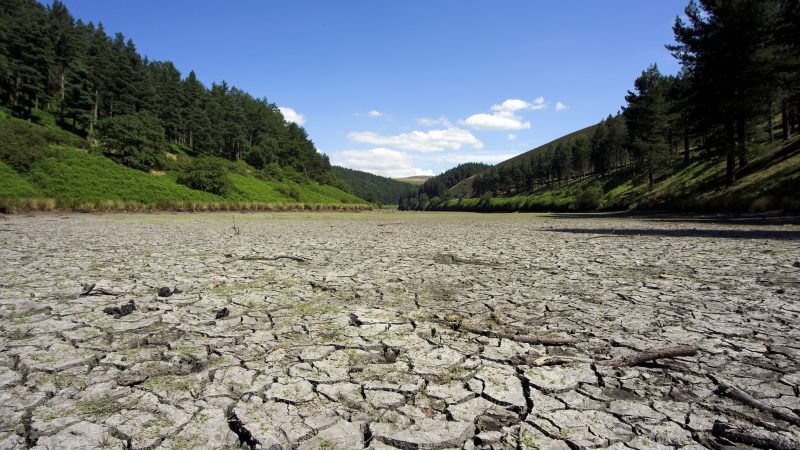

This heatwave has brought with it the hottest temperatures of any May day since records began. Amber health alerts have been sent out across much of England due to the heat. This isn’t an anomaly; research shows that climate change has made 40-degree heat, as we had in July of 2022, at least 20 times more likely to occur in the UK than it would have been in the 1960s. Rising temperatures in the UK mean heatwaves will only become more frequent, hotter, and more dangerous.
We simply can’t afford to be unprepared for these events. Heatwaves like this one have knock on impacts on public health, infrastructure, education, and the economy. Last summer, the hottest on record, an estimated 1,504 heat associated deaths were recorded. This could rise to 3,000-10,000 per year by 2050, while heat related hospital attendances and admissions could also triple. Our NHS is already working at capacity and surges in people attending A&E during heatwaves will increase strain on the NHS and hamper the Labour government’s progress on bringing down waiting times and providing a better service for patients.
Extreme heat brings trains to a halt, causes power disruption, closes schools, and creates unsafe working conditions. Productivity suffers, public services are put under strain, and working people pay the price. Research suggests that a one-degree Celsius increase in summer temperatures reduces UK economic growth by about 2.4% . According to analysis from the London School of Economics this is the exact same amount that output per worker in the UK has risen since Labour was elected in 2024. Hotter summers pose a very real risk of undoing any progress that Labour makes on its core growth mission. By 2050 climate change could reduce UK economic output by 7%.
Extreme heat hammers home the importance of acting on climate change: more emissions mean a hotter climate, and every fraction of a degree of warming increases the likelihood of more events like this. We are now on course to reach 1.5% of global warming within this parliament, there is no time to waste.
The government is right to push forward with its ambitious agenda on net zero and clean energy, and reports that it will accept the Climate Change Committee’s (CCC) advice to set a legally binding target of cutting emissions 87% by 2040 ought to be welcomed. It is only by playing our part in reducing global emissions that we will be able to curtail more extreme climate impacts in the future.
However, decarbonisation alone is not enough. The UK must also be resilient to climate impacts that are already locked in. The CCC brought out a new report last week warning that the UK is dangerously unprepared for these impacts. Our buildings, our energy and water infrastructure, our food supply chains, all need investment to be able to withstand future shocks. This must happen now to mitigate much greater costs down the line.
Become a friend of LabourList and join our community. Our friends support our vital non-factional work and get access to exclusive content and events.
When Richard Tice and Kemi Badenoch argue that we should scrap net zero targets and climate change policies and focus solely on adapting to impacts, they are creating a false choice. The Office for Budget Responsibility has confirmed that the cost of not acting on climate change is far greater than the cost of decarbonisation. By arguing for burning more fossil fuels, these politicians would have the UK contribute to more warming, locking in more and more unpredictable and extreme weather events, and leading to enormous costs.
The public understands this instinctually. People broadly support adaptation measures alongside decarbonisation; they don’t see a trade-off here. This includes Reform UK voters, who tend to support equal investment in both. Voters see it as the government’s responsibility to make the UK prepared for heatwaves and other extreme weather events. Whilst people are angry when institutions don’t respond well to extreme weather events, they are angrier when they are ill-prepared to face them in the first place.
Governments that fail to prepare leave themselves politically exposed. Opponents will always try to shift responsibility away from major emitters and onto public institutions once disaster strikes. For those in power, it is politically costly to act too late.
This heatwave confirms that climate change is no longer a future threat, and politicians must prepare for these shocks in line with public expectations. It is for Labour to lead the UK to become both cleaner and more resilient. National preparedness must be embedded across society, in health and social care systems, housing, infrastructure, workplaces, and food supply chains. It cannot be treated as an afterthought once crises unfold.
Subscribe here to our daily newsletter roundup of Labour news, analysis and comment– and follow us on TikTok, Bluesky, WhatsApp, X and Facebook. You can also write to our editor to share your thoughts on our stories and share your own. The best letters are published every Sunday.
-
- SHARE: If you have anything to share that we should be looking into or publishing about this story – or any other topic involving Labour– contact us (strictly anonymously if you wish) at [email protected].
- SUBSCRIBE: Sign up to LabourList’s morning email here for the best briefing on everything Labour, every weekday morning.
- BECOME A FRIEND: If you enjoyed this, why not consider becoming a Friend of LabourList? Help sustain our journalism, and of course Friends do get benefits…
- PARTNER: If you or your organisation might be interested in partnering with us on sponsored events or projects, email [email protected].
- ADVERTISE: If your organisation would like to advertise or run sponsored pieces on LabourList‘s daily newsletter or website, contact our exclusive ad partners Total Politics at [email protected].



More from LabourList
‘Why Iceland’s EU referendum matters to British progressives’
‘Beyond recruitment: a new fostering plan that offers real hope’
Reform’s rotten culture is exposed