

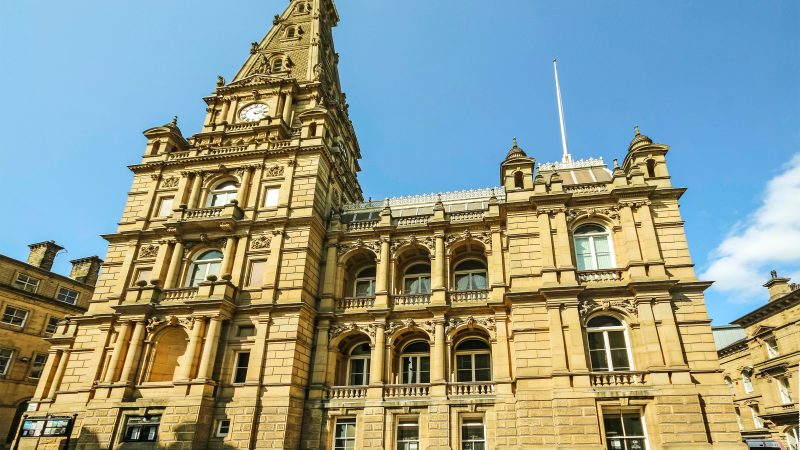

When I was elected to Calderdale Council in 2024, I knew local government would be challenging. There would be difficult decisions, competing priorities and long hours. I cared about my community and wanted to make a positive contribution. What I did not anticipate was how much both politics and public opinion would change in just two years. Indeed, many in a similar position will agree that after that period of time, you are only just finding your feet.
Most councillor activity has always been outside of public view. It involves helping residents, chasing responses, attending local events, dealing with complaints, advocating for residents and navigating the systems that are there to assist us, but may also hinder us. My two years in office gave me a front-row seat to the realities of local government. All councillors will tell you that the pros always outweigh the cons, especially with every casework or policy victory. What struck me most was that this commitment existed across political parties. In Calderdale, we had always had a wide spectrum of political colours in the council chamber. However, difficult decisions stayed with me long after meetings had ended. As they should.
In November 2025, I was honoured to be selected by for a future civic role, subject to being re-elected in May 2026. It was a privilege to be considered for such a responsibility and reflected the trust that others had placed in me.
READ MORE: ‘Labour has lost hundreds of elected members – how we care for them now will define what comes next’
Ultimately, however, the electorate had the final say. In May, I lost my seat and with it, the opportunity to take that next step in public life. That’s democracy. The voters are the customers, and the customer is always right. That is not a criticism of voters. People have every right to demand answers from politicians, but it has undoubtedly changed the environment in which councillors operate and made local politics more challenging than ever.
Of course, this is not about one Labour councillor in one Labour-controlled council. In the past twelve months, there has been a noticeable shift. Traditional loyalties are weaker. Social media rewards the quickest response rather than the most accurate. Complex issues are reduced to a few lines of text, which can spread like wildfire.
Public service comes with sacrifices. It requires time, energy and resilience. It can expose councillors to criticism and scrutiny. Yet most accept those challenges because they believe in the value of local democracy. What receives far less attention is what happens when that service ends.
Become a friend of LabourList and join our community. Our friends support our vital non-factional work and get access to exclusive content and events.
Therefore, a few weeks ago, I joined thousands of former councillors across the country who have experienced electoral defeat. One day you are representing residents, managing casework and attending meetings. The next day, it stops. The phone stops ringing. The council email account is frozen. The routines that have shaped your week suddenly vanish. For some, that transition is straightforward. For others, including myself, it can be surprisingly difficult. Public service often becomes part of a person’s identity. When it ends abruptly, there is a sense of loss—not because of status or title, but because of the sudden absence of purpose, connection and responsibility.
We invest heavily in preparing people to become councillors. Yet when councillors leave, there is often little recognition of the transition they face. This is why I believe we need a conversation about aftercare, and, in particular, how to harness the knowledge and talent of those who are no longer in an official position to allow them to contribute their skills. This does not mean questioning election results or creating special treatment for politicians. But there is a strong case for practical support, including wellbeing resources, peer networks, mentoring opportunities and advice to help councillors navigate life after office.
Just as importantly, we need to stop viewing defeated councillors as political casualties. The experience gained through public service does not become worthless because an election has been lost. They have experience solving problems, bringing people together and advocating for residents.
That experience is not wasted. It is a new foundation on which to build. Many former councillors continue serving as volunteers, trustees, governors, mentors and community leaders. They remain assets to the communities they once represented and can continue contributing long after their time in elected office has ended.
Losing my seat taught me a great deal about resilience, humility and democracy. Above all, it reminded me that public service is about far more than holding office. Elected positions may come and go, but the desire to serve your community does not disappear when the votes are counted.
And neither should the value of the people who have done so.
Subscribe here to our daily newsletter roundup of Labour news, analysis and comment– and follow us on TikTok, Bluesky, WhatsApp, X and Facebook. You can also write to our editor to share your thoughts on our stories and share your own. The best letters are published every Sunday.
-
- SHARE: If you have anything to share that we should be looking into or publishing about this story – or any other topic involving Labour– contact us (strictly anonymously if you wish) at [email protected].
- SUBSCRIBE: Sign up to LabourList’s morning email here for the best briefing on everything Labour, every weekday morning.
- BECOME A FRIEND: If you enjoyed this, why not consider becoming a Friend of LabourList? Help sustain our journalism, and of course Friends do get benefits…
- PARTNER: If you or your organisation might be interested in partnering with us on sponsored events or projects, email [email protected].
- ADVERTISE: If your organisation would like to advertise or run sponsored pieces on LabourList‘s daily newsletter or website, contact our exclusive ad partners Total Politics at [email protected].



More from LabourList
‘Football doesn’t care about the Oxbridge tech corridor’
‘A new politics needs more than a new voting system’
Good growth in every postcode 7th October 2026