

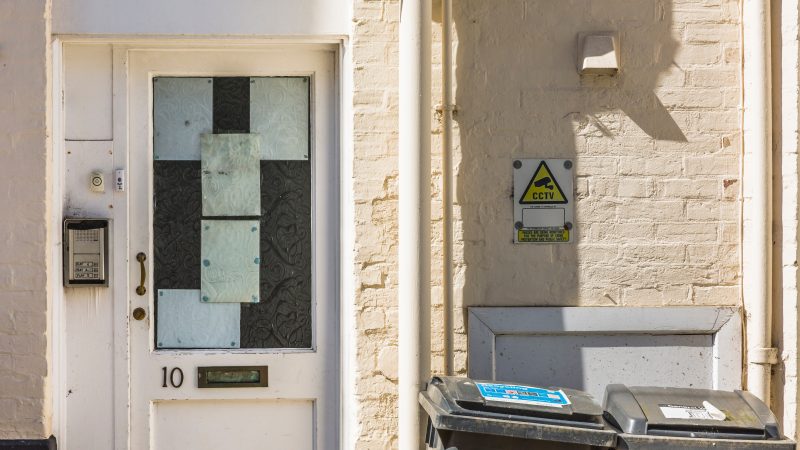

I have seen and heard first hand in Hartlepool the unacceptable conditions too many renters are being forced to live in. These range from homes where almost every room is affected by damp and mould, to properties overrun with rats, to families left without working electrics for weeks at a time. In one particularly shocking case, a leaking roof caused a ceiling to collapse onto a child’s bed and took months to be repaired. These are not isolated incidents, and while they are especially prevalent in the private rented sector, similar issues are also being experienced by some in social housing with certain providers.
For private renters, having to live in homes that are dangerous to their health is sadly a common theme across the country. The latest English Housing Survey found more than one in five (22 percent) of private rented homes are ‘non-decent’, meaning they don’t meet a frankly low minimum standard, compared to one in ten social homes.
The experience behind these statistics is that private renters across the country are living in damp, mouldy, draughty homes while spending, on average, more than 36 percent of their income on rent.
READ MORE: ‘You can’t have policy without politics’
The government’s Renters’ Rights Act is a historic law, which will be vital in shifting the power imbalance between tenants and landlords. One element of the legislation is finally applying the Decent Homes Standard to private rented homes. However, the Ministry for Housing, Communities and Local Government recently announced that the standards won’t be applied until 2035.
Become a friend of LabourList and join our community. Our friends support our vital non-factional work and get access to exclusive content and events.
It is simply unacceptable that private renters will have to wait a decade for their homes to be brought up to a decent standard. Furthermore, the political situation in 2035 is very unclear, meaning private renters may never experience the benefits of these new standards, if a future government simply cancels the changes. Late last year, I joined over 30 Labour MPs in writing to the Secretary of State on this issue, but unfortunately our concerns fell on deaf ears.
Alongside standards of decency, the Renters’ Rights Act will also apply Awaab’s Law to private rented homes. Named after the tragic death of Awaab Ishak due to damp and mould in a housing association home in Rochdale, Awaab’s Law applies strict timelines on landlords to respond to hazards in a person’s home. It does not create any new regulations or standards.
In my view, which is shared by renting campaign group Generation Rent, there’s no reason why this can’t be applied alongside phase one of the implementation of the Renters’ Rights Act from 1st May this year.
Research has shown that, on average, renters wait over 40 days for landlords to act on serious disrepair issues. In cases of serious structural damage, faulty electrical equipment or extreme damp and mould, strict timelines to reduce this waiting period could be the difference between life and death.
The recent local election results, including in Hartlepool, clearly show that voters are fed up of waiting to feel real change in their everyday lives. When your home is actively harming your health, you feel like the whole system is against you. Accelerating the Decent Homes Standard and Awaab’s Law will show people the change a Labour Government can make to their everyday lives – the only way we can win them back.
Subscribe here to our daily newsletter roundup of Labour news, analysis and comment– and follow us on TikTok, Bluesky, WhatsApp, X and Facebook. You can also write to our editor to share your thoughts on our stories and share your own. The best letters are published every Sunday.
-
- SHARE: If you have anything to share that we should be looking into or publishing about this story – or any other topic involving Labour– contact us (strictly anonymously if you wish) at [email protected].
- SUBSCRIBE: Sign up to LabourList’s morning email here for the best briefing on everything Labour, every weekday morning.
- BECOME A FRIEND: If you enjoyed this, why not consider becoming a Friend of LabourList? Help sustain our journalism, and of course Friends do get benefits…
- PARTNER: If you or your organisation might be interested in partnering with us on sponsored events or projects, email [email protected].
- ADVERTISE: If your organisation would like to advertise or run sponsored pieces on LabourList‘s daily newsletter or website, contact our exclusive ad partners Total Politics at [email protected].



More from LabourList
Good growth in every postcode 21st October 2026
‘Labour must put culture at the heart of their youth mental health plan’
The Thames Valley is driving growth. Devolution can turbocharge it.