


For much of the last year, Labour’s strategic conversations have been dominated by the threat from Reform UK. Senior figures have watched with growing concern as Nigel Farage’s party has sought to chip away at older, working-class voters in towns and communities that once formed the backbone of Labour’s electoral coalition.
But while the rightward pressure has become impossible to ignore, a quieter anxiety has been emerging inside the party from the opposite direction.
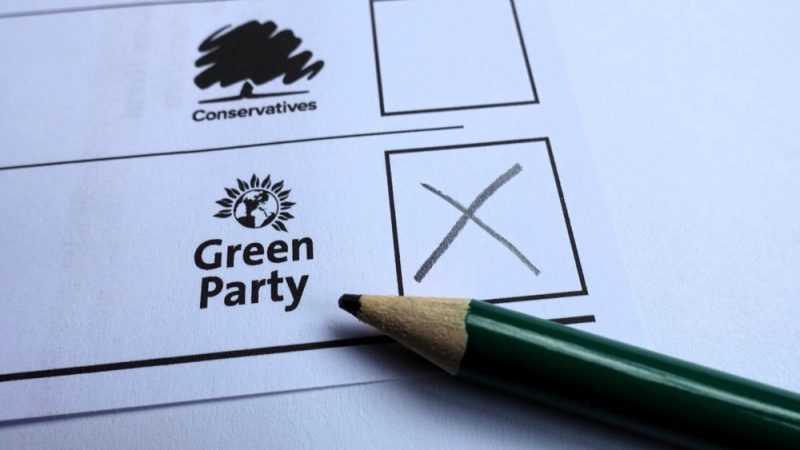
This not only matters because of what it says about the upcoming local elections, but because it also reflects a deeper recognition inside the party that, post the electoral success in Gorton & Denton, the Greens have shown the public they are more than a simple protest vote. Increasingly, they are being seen as a party capable of drawing support from progressive voters who once would have considered Labour their permanent political home.
This also mirrors the warning in the Ipsos analysis provided to LabourList today, which argues that Labour can no longer afford to treat Green advances as isolated local irritations.
In parts of the country, the Greens are beginning to present themselves not simply as an alternative choice on polling day, but as an alternative political identity for disillusioned progressives.
Political parties can often survive losing votes at the margins. What is harder to survive is losing the groups of voters that help define what the party believes itself to be.
My visit to Birmingham last week captured that tension clearly. Beneath the immediate pressures of a difficult local election campaign, from speaking with some Labour activists it was clear there is a growing sense that the Greens are capitalising on attracting voters who are no longer convinced Labour is their political home.
That is why the Green challenge feels different, but equally as concerning for many Labour members as the electoral threat of Reform.
Reform threatens Labour electorally by taking chunks out of a voter base that had already become fragile after Brexit. The Greens threaten Labour both electorally and existentially by appealing to a part of the coalition that has historically given Labour much of its moral and ideological energy, particularly in relation to young progressives who seem to be increasingly attracted to Zack Polanski’s approach to ‘vibe politics’.
One insurgent is eating into Labour’s old heartlands. The other is eating into any idea Labour once had that they were the only place for the left.
Taken separately, each presents a serious strategic problem. Taken together, they raise a much larger and more important question about Labour’s future.
Because if Labour finds itself squeezed by Reform on one side and the Greens on the other, the challenge is no longer just how to build a winning electoral coalition. It becomes how to hold together a coherent political identity when two emerging rivals are drawing support from two very different parts of the Labour tradition.
That may ultimately be the deeper significance of the upcoming May elections.
Become a friend of LabourList and join our community. Our friends support our vital non-factional work and get access to exclusive content and events.
For Labour members, that should not be a cause for despair, but for honesty. The answer cannot simply be to ‘out-Reform’ Reform or outflank the Greens to the left. Neither can it be to berate and attack voter bases that would have once been Labour. There has to be a balance, which is admittedly, easier sought than achieved, though not impossible by any means.
As a membership, we need to come together to push for a clear new chapter of the Labour story. Something that brings together the good we have already achieved since coming into power in 2024, with the change we set our eyes on for the future. A story that tells the tale of a party that can sound just as credible in former industrial towns without becoming unrecognisable in progressive cities.
Subscribe here to our daily newsletter roundup of Labour news, analysis and comment– and follow us on TikTok, Bluesky, WhatsApp, X and Facebook. You can also write to our editor to share your thoughts on our stories and share your own. The best letters are published every Sunday.
Most of all, it means remembering that Labour has always been strongest when it has offered voters a sense of belonging to a wider movement. In the age of politics driven by feeling, we need to spend some time focusing on how we make people feel good again. How we allow those not currently within the Labour Party, but with similar desires to see a nation provide social justice and economic security for all, feel that this is also the place for them.



More from LabourList
Good growth in every postcode 21st October 2026
‘Labour must put culture at the heart of their youth mental health plan’
The Thames Valley is driving growth. Devolution can turbocharge it.